For most household projects, an electric drill are the way to go. They’re everywhere and simple to operate: just pull it off the pegboard, squeeze the trigger and you’re in business. It’s no wonder people reach for one when assembling new furnitures or hanging family photos.
But when woodworkers and other pro fabricators need to do serious work, many of them opt for something different: an air-powered drill called a pneumatic drill. The reason: Such air-powered tools has several mechanical benefits that simply can’t be achieved with an electric drill. How do they both deliver the power?
Understanding Key Differences Between Drill Types
How Pneumatic Drills Work
In an electric drill, gears and a motor inside turns the bit itself. It’s a straightforward and effective design. With a pneumatic drill, a piston or turbine spin within the housing using compressed air.
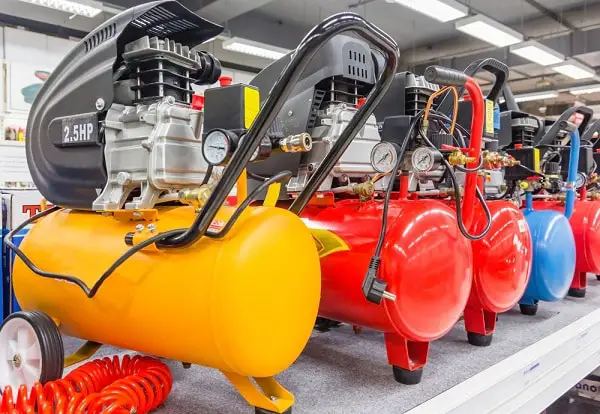
To operate one of these, you need an air compressor, along with fittings and hoses. The increased complexity cost you some extra set up time, but it pays off in terms of toughness and raw torque. Another important area is how tools handle heat.
Heat Dissipation Advantages
When electric drills spin the heat come from within the motor. The longer you use it on hardwood or metal like steel, the more heat build up. Eventually, the tool will slow down and burn out.
With pneumatic drills, the air coming back out cools the components inside the tool even at extended periods of use. This is an important piece of engineering, whether you’re constructing a large deck or running a production line. Fatigue is also related to the weight and balance.
Weight and Fatigue Reduction
An electric drill house a motor and a battery that add weight to the handle. That weight builds up over hours of work. Because there’s no heavy battery or big copper motor in a pneumatic drill, it’s typically lighter.
That means its power comes from a location away from the tool (typically off in some corner of the shop). Less weight to hold means fresher wrists longer. Many pros has been converted to pneumatic drills/impact drivers on job sites for this reason alone.
Durability in Job Site Conditions
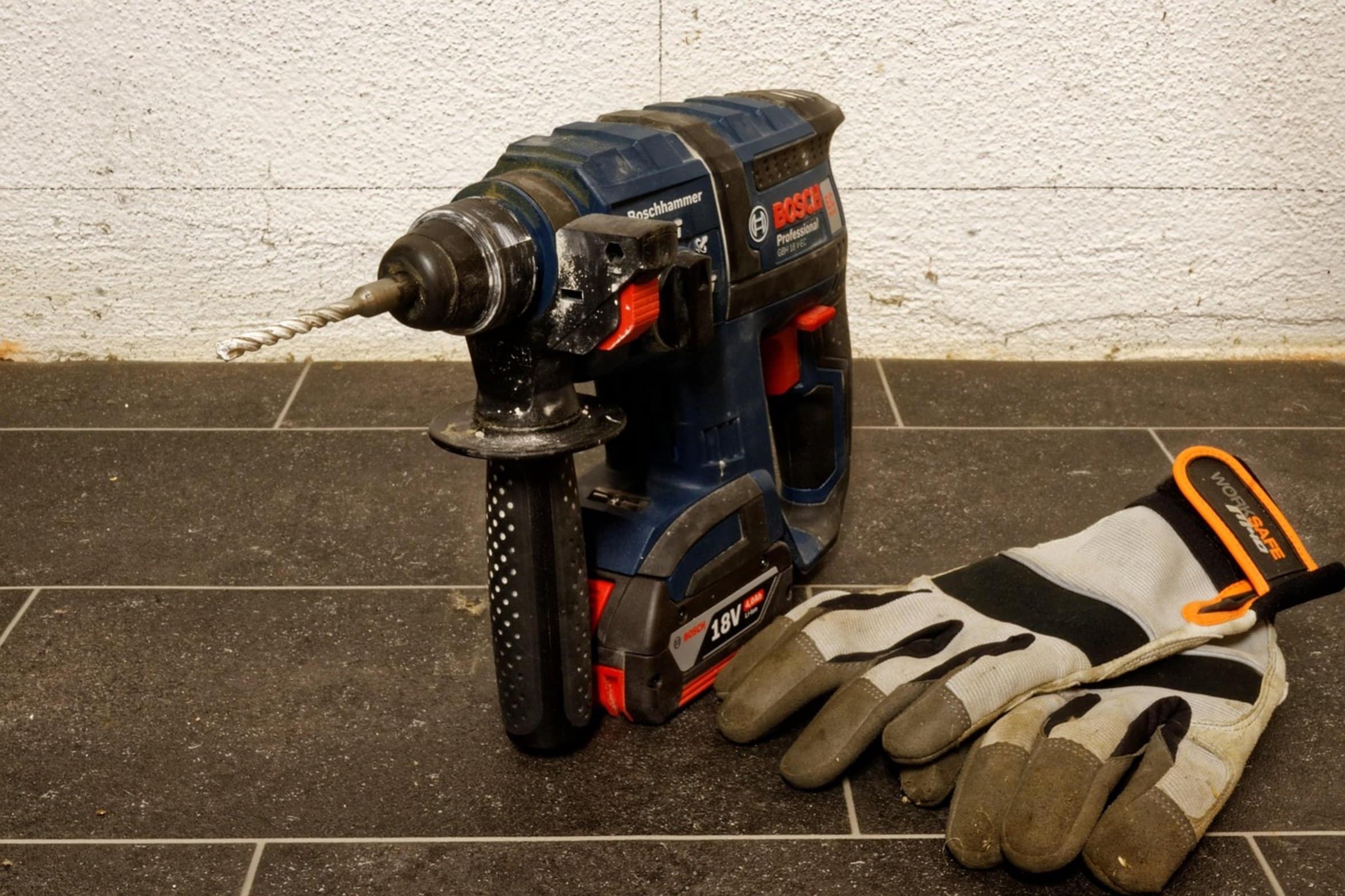
You should also consider durability and environment. The jobsite is a dirty place; it’s full of metal shavings, concrete silica, and wood dust. Electric tools have sensitive electronics and circuits that can fail if dust or moisture gets inside.
Air tools, on the other hand, are rugged devices containing few electronic components to break. Throw your air drill into the mud, wash it off with solvent, or leave it sitting in a damp basement… It’ll probably still start.
These rugged qualities make air tools perfect for rough conditions where having a circuit board is just a liability. The problem with pneumatic tools, however, is that they’re initially quite noisy and expensive. A good-quality air compressor isn’t cheap.
Initial Cost and Noise Factors
Reliable models from companies such as Quincy or Ingersoll Rand will cost you a pretty penny. And then there’s the matter of the air lines, get them wrong, and you’ll find yourself tangled up and limited in your mobility. Also, air tools is noisy.
That high-pitched banging and hissing can grate on the ears in a home workshop. If your neighbors aren’t too keen on the sound, or you live in close quarters, an electric drill is going to be far quieter. Both systems have their own set of maintenance needs.
Maintenance Requirements for Air Tools
The pneumatic system needs constant lubrication. The pistons has to run smooth and they do that with oil in the air line. Add oil to the air line.
Get an inline lubricator. Don’t forget about it, then your tool seizes up. So, yeah it’s a bit of a chore, but you’ll have to be disciplined about remembering to take care of it.
To get the most out of the tool you has to maintain it. The electric drill is virtually maintenance free. Charge the battery and go work.
When something breaks on the drill you send it off to be fixed, or buy a new one. But for most people who are homeowners, it’s obvious that an electric drill would be the answer. Cordless drills have come such a long way and they’re incredibly convenient (Bosch, Milwaukee, etc). Why bother with air hoses if all you need is a small hole drilled into your drywall?
Choosing the Right Tool for Your Needs
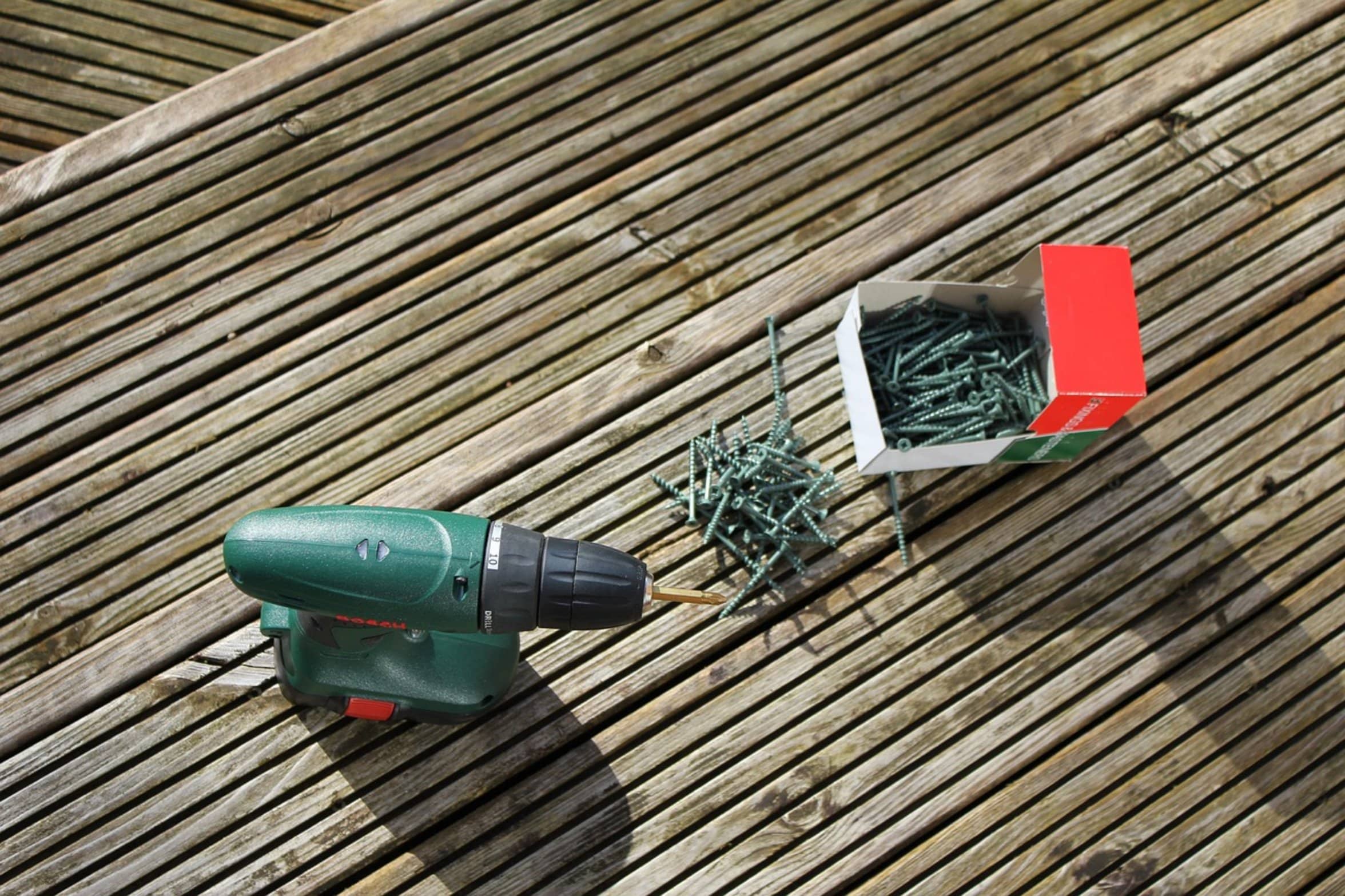
They are inconvenient for occasional use. The setup is too cumbersome for sporadic use. I’ll take the loss in raw power for the ability to roam freely throughout my home without having to worry about dragging a hose around.
For those of you who find yourself on a job site or working on your own garage shop where things get down and dirty, consider pneumatic tools. These tools weighs less over time and release heat better. They last longer in dirty conditions.
While they cost more to buy, it is an investment in both performance and reliability. You’re not buying a toy but rather a work horse, it won’t flinch when abused. Match the tool to the task.
In conclusion, find what works with you and your budget and then go to town. This doesn’t mean it’s set in stone for all time. Many woodworkers use both systems, switching between them as needed.
Use the air for large jobs or lots of holes and an electric drill when moving from room to room fast. Knowing the power of each system means knowing how to work smarter. You will no longer bang your head against a wall with your tools.
Get ‘er done. That is what being a serious builder means.