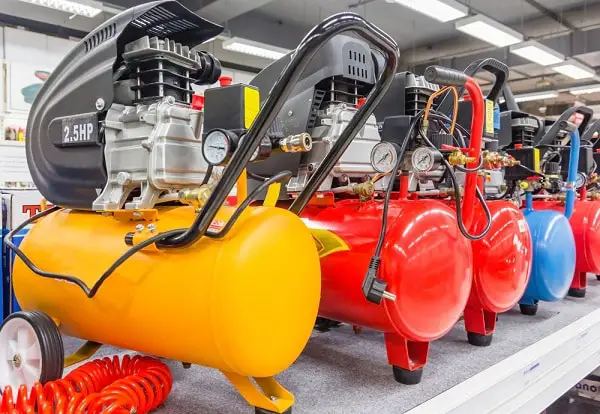
When you are at a job site, working on heavy maintenance, or even building something new, there’s a certain sound you’re going to be hearing. That’s the sound of a pneumatic air hammer tapping away at concrete with a sharp crack. When you turn to a powered tool, all the leverage move from your muscles over to compressor and you instantly feel relieved.
Unfortunately, it’s easy to neglect choosing the appropriate chisel. The kind of tip you use can determines how long the project takes, how precise the work is, and how quickly you finish. Most folks just pick up a heavy blade and wish it well.
Time go by and something happens to tool. A chisel links the power of machine with what we want to break apart. Getting that geometry wrong means the force are scattered.
Get it right and the energy flow into a nice clean fracture line. Understanding the difference between a gouge, a flat chisel, and a pointed tip is the first step toward working smarter. Work smart and understand the difference.
Choosing the Right Pneumatic Air Hammer Chisel
Why Chisel Geometry Matters
Using Flat Chisels for Demolition
Workhorse: Flat chisel The flat chisel is workhorse of the bunch. And, it’s easy for a reason. Because edge is wide, it spreads out the force of your impact across a larger surface area.
That means you’re able to chip away more material in each blow. Use this one to remove old tiles, tear up existing slabs. A bigger blade will clear more debris.
A wider blade mean you need more airflow (from your compressor). But if the compressor isn’t powerful enough, then the chisel will bounce on the surface. Balance the blade size with the power of your compressor.
Pointed Chisels for Precision Scoring
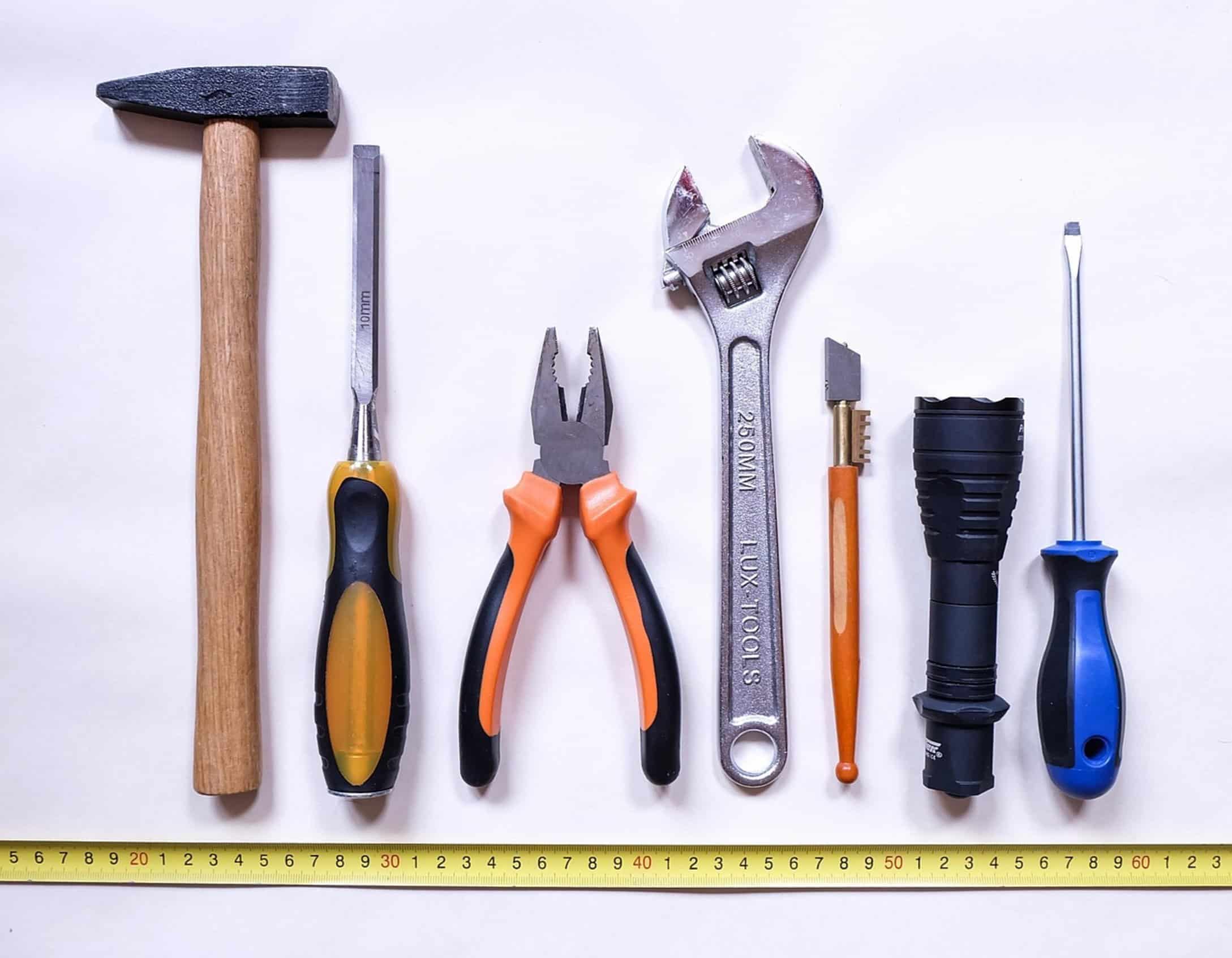
When isolating a portion of something or starting a break, you go with a pointed chisel. With its narrow concentration of force at one end, it’s like a wedge that causes a crack to widen throughout the material. For example, when breaking out concrete, you’d score a line first with it then pry the concrete apart.
While more precise, it also wear down quickly. Since tip takes all the force on such a small area, it dulls much faster than a flat blade. If you do extensive scoring work, you’ll change tips frequently.
But you make that trade-off for the control it gives you. Another tool is even more useful: gouge chisels. For one thing, they’re not straight, they have a curve that lets you dig out rather than simply break out material.
Gouge Chisels for Excavation Work
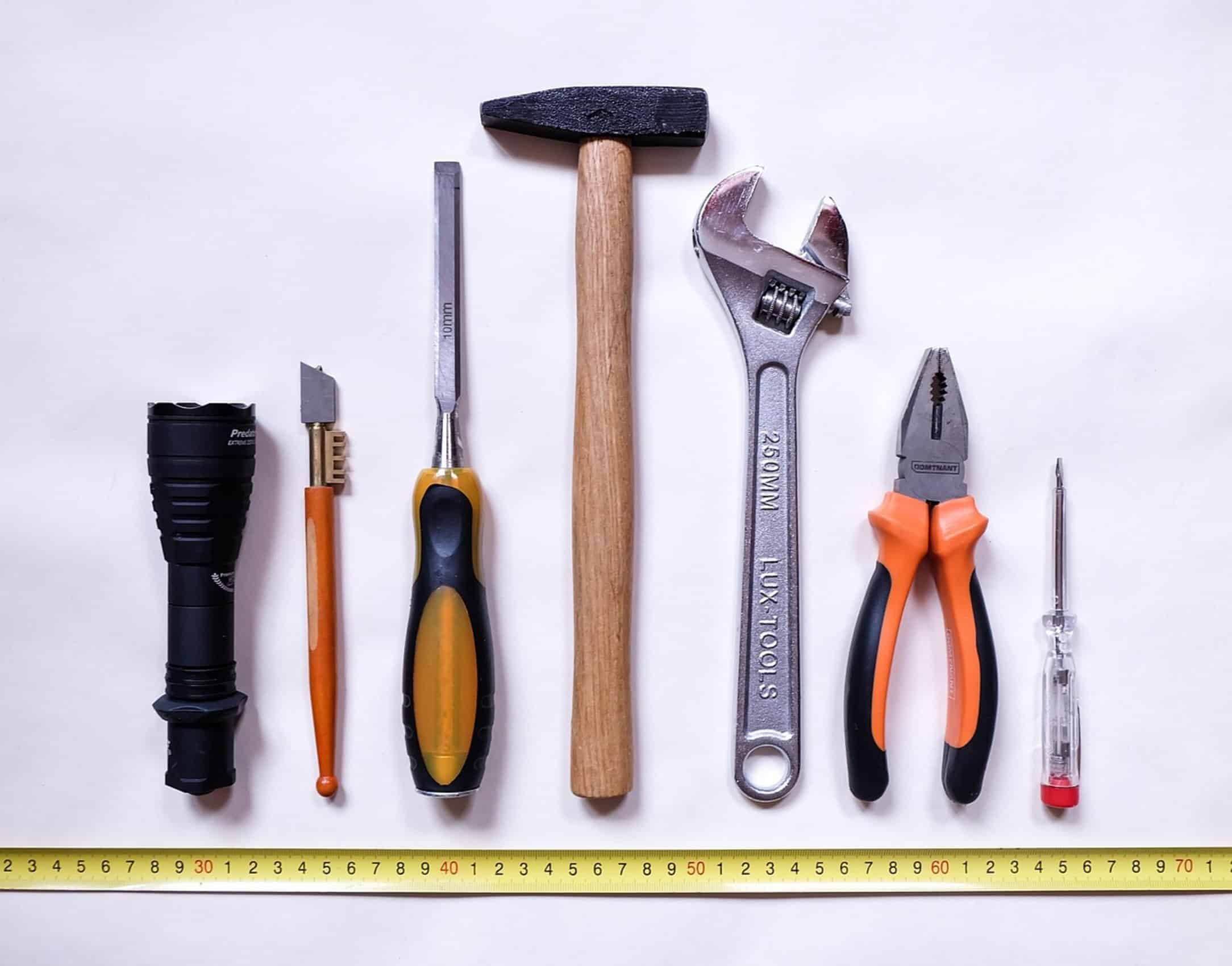
When digging out a joint or expanding an existing hole, that curved profile will keep material from sticking to the cut and pulling off with it. That’s another benefit of their shape: You can get them into tighter spots without them catching on anything. But remember: Gouges aren’t meant for demolition duty.
Under extreme side-to-side stress, the curve are weak. Try using a gouge as your demolition tool, and you’ll end up bending, or worse yet, snapping off the point. Use it for refinement; use it for excavation, but not for brute strength.
Choosing High-Carbon Steel Quality
This is about the shape of the chisel. As important as the shape is the quality of material. While cheaper chisels might appear to be just as good looking on your shelf, these will rapidely become soft with the heat generated by rubbing against concrete.
Specific alloy materials and high-carbon steels will holds their edge better. A blunt chisel will slip and it doesn’t cut. It can hurt you and/or break your hammer.
The chisel need to have a cutting edge sharp enough to grab hold of the concrete. Look for products that describe how they treat the steel to harden it during manufacturing. That’s an investment in both time and safety.
Downtime and replacing low-quality tips adds up over time. Last but not least, think about how it mounts to the hammer. The truth is, not all chisels fits all hammers.
Ensuring Proper Hammer Compatibility
Some mount simply with a pin hold and some have a complicated locking mechanism. Make sure your chisel will work on your specific tool model. Trying to force a different tip might make the tool fail to operate properly or even void any warranty.
Before purchasing, always check the specs from manufacturer. When you’re in a hurry it’s an easy thing to forget. Having a good fit means the energy transfer is both safe and efficient.
That’s the thing about this job. It’s about having the right chisel. If it feels like work, if it’s turning into a battle…
Put down the wrong one. Pick up the right one and suddenly it becomes something you can control. Break the ground out and refine the detail, having the right tip is game-changing.
It goes from being a fight with the material to getting in sync with your tool. And that makes the difference between an afternoon of frustration and a day of accomplishment. Let the air do the heavy lifting.
Choose wisley.