When you spot a single orange peel ripple or a muddy swirl in the clear coat, you gets a certain variety of heartburn. You knew how to lay down a great base coat, but some setup error cost you a perfect finish. Clear coating isn’t art, it’s mechanics.
A set up that can avoids that swirl requires getting the right mix of fluid, air and atomization into a balanced blend. Clear coat is your final exam, and most amateurs are scared to death of taking it. They rush the prep.
They skip the fluid tip. They hope the booth airflow washes away their mistake. You don’t need luck!
We want a repeatable process! One fluid tip size and three dials makes all the difference between a garage project and a showroom finish. Diameter of your tip determines all else.
Step By Step Spray Gun Setup Guide
Choosing the Right Fluid Tip
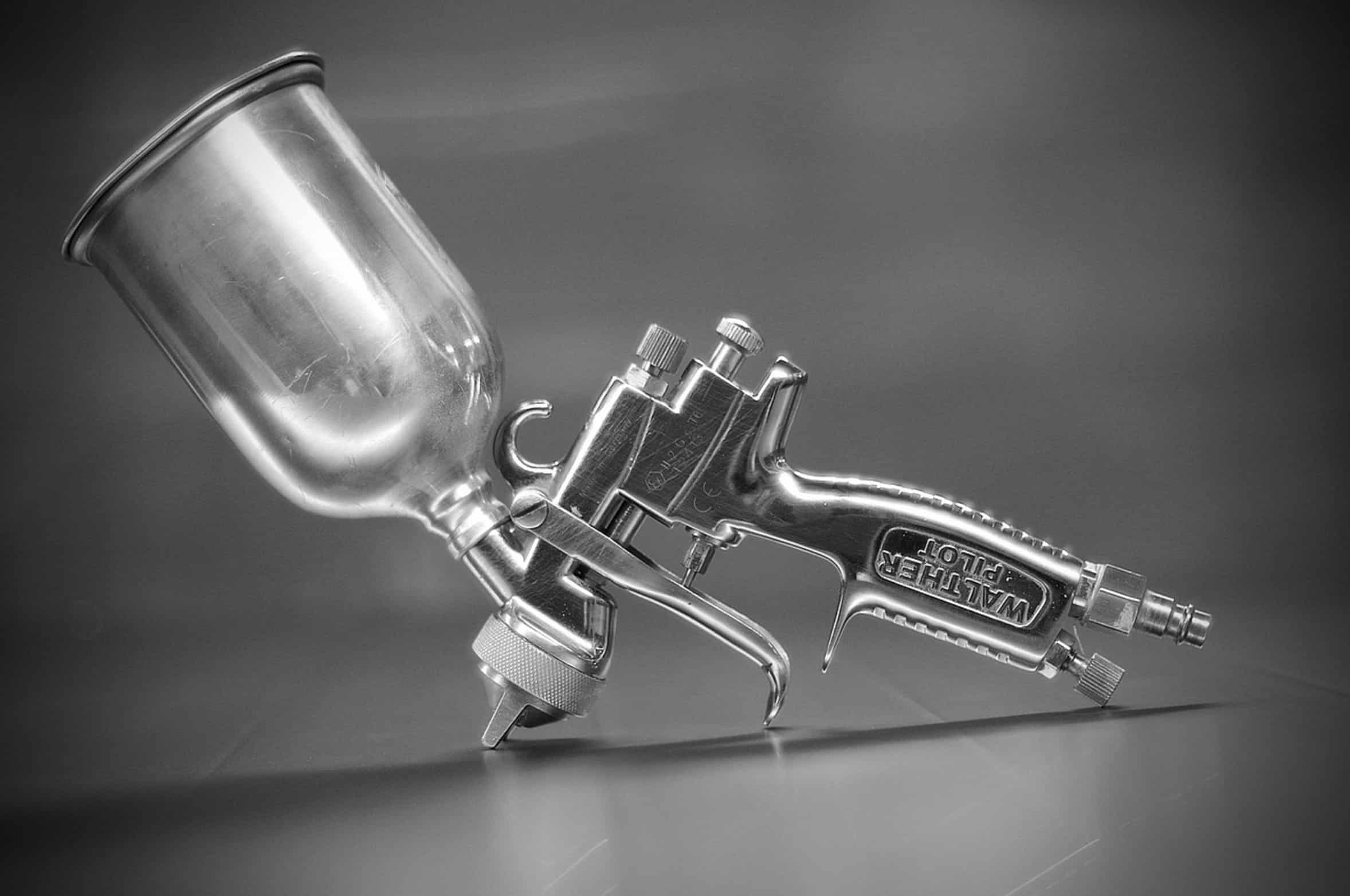
The first decisions you make on any line are the tip diameter and the material that flows through it. A 1.4mm to 1.5mm tip will work for the majority of automotive jobs with either one stage or two stage product. That being said, if you go larger, such as a 1.7mm, you’re dealing with a bigger tip.
It lay down more heavy product, which means lots of buffing. Going smaller than that then you’ll find issue with flow on today’s 2K clear coats. You need sufficient fluid volume to lay down a wet coat and not starve the panel.
Adjusting the Fluid Needle Stop
Next is the fluid needle stop which is the little ring on the back of the gun where the needle retracts to. Too loose and you’ll get sag and run before you know it’s happening. Too tight and you’ll get clogs in tip due to the paint drying on the tip.
You want to set it so that when you pull the trigger to the first stage, there is just enough fluid to make the tip barely glisten. That means you are getting a controlled atomization pattern instead of a flooding mess. Most techs guess, and that’s costly.
Setting Air Pressure and Fan Width

Guess what? Air pressure. Direct a regulator from your gun, NOT the wall of compressor.
Consistent spraying allow clear coat to fill into base coat valleys. Use 28 to 32 PSI at the gun; measure it with a true gauge. High pressure = dry spray/solvent popping.
Low pressure = orange peel. Get in the sweet spot where droplets joins before touching the surface. Next comes fluid flow and fan width and this is where you don’t do them in isolation.
Open up the fan just a little narrower than the panel you will be spraying. For instance if it’s a fender, then a narrow fan allow you to control edges without overspray. Next, adjust the fluid volume.
It doesn’t need to be a heavy stream but rather a consistent arc of mist. Practice on a scrap panel or cardboard box and check that pattern is even, with no heavy spot in the center.
Proper Paint Thinning and Viscosity
Clear coat is thick out of the bucket.
More important than you might believe, it’s thick. The guns weren’t made to sip on syrup; get it thinned down as directed in the manufacturers technical data sheet. Measure using a viscosity cup and match your reducer with the air temperature.
Too thin, it runs. Too thick, it won’t atomize correctly. Get the ratio correct and the gun can breathe.
Testing Spray Pattern and Technique
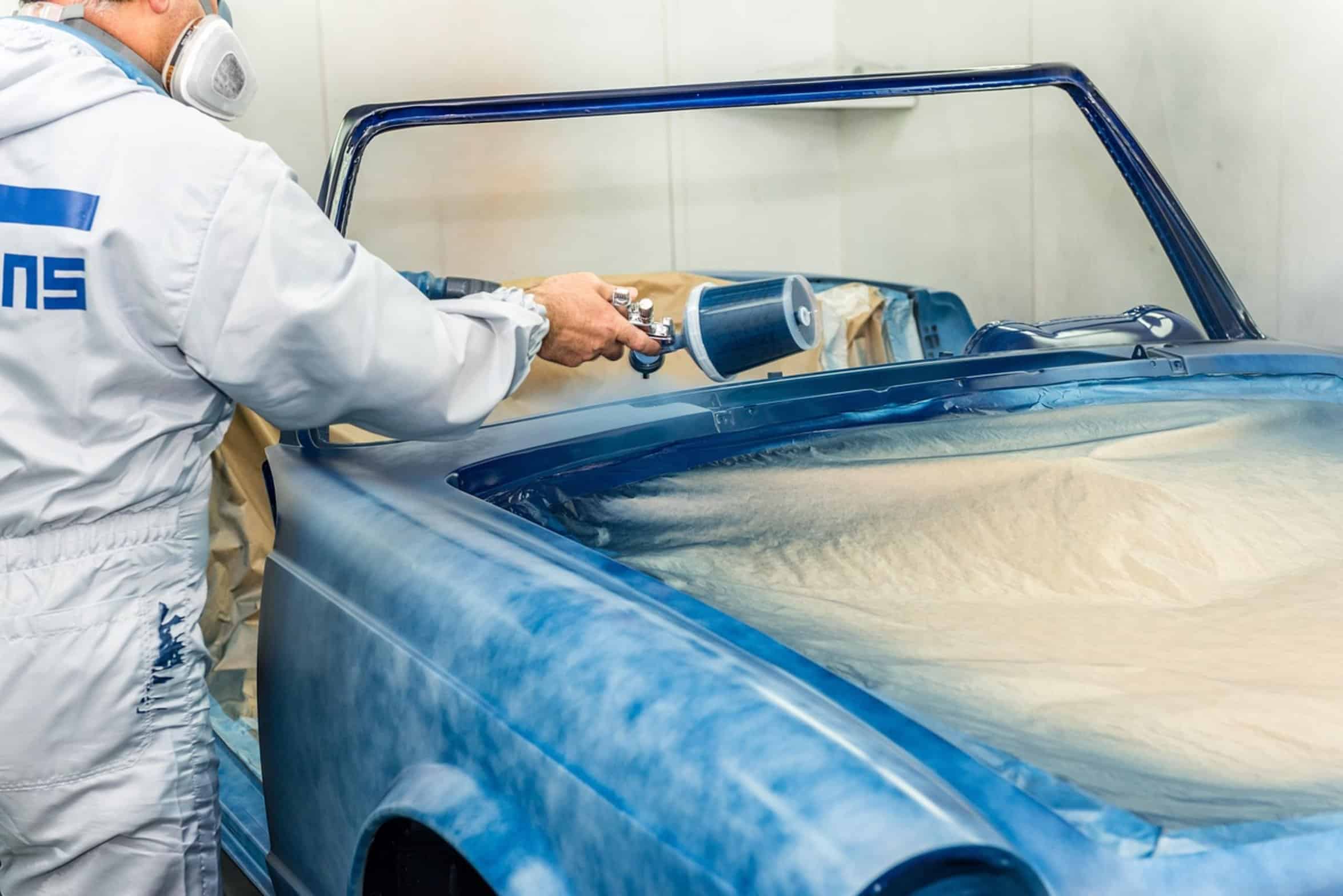
You must paint test the gun: no exception. Pull the trigger over a test surface. The pattern of the spray should be an even oval, free of holes or too much streaking.
Too much streaking means the nozzle or air cap is dirty. A soft cloth and thinner will clean right off and fix it. Don’t think that just because you cleaned it last week, it’s fine.
That builds up fast. And lastly, there is your technique with the pass. Make sure you overlap your passes halfway.
Go slow enough that the gun do all of the work. Don’t get hung up on edges, and don’t think you can fix a run by spraying more on top. Remember the gun only does as well as the hand that holds it.
You could of had a perfectly tuned gun, but if you have a shaky trigger finger, it won’t help. Setting up a spray gun is kind of a ritual. It has to be respected in its chemistry, and the process take time, care and patience.
If you dial-in viscosity, pressure and the tips correctly, clear coat goes on like glass. And all you’ll see is the car: deep and shiny.