So there’s this cabinet that you need to refinish. You’ve got the time. You’ve got the stain.
And you don’t has the right tool. The result is a sticky mess that look worse than original finish. The result is a sticky mess that looks worse then the original finish.
Why? Because applying paint is not just about color. It’s about physics.
More specificaly: How do I gets the liquid from the cup onto the surface without wasting half of it in the air? You’re limited by what you can afford. You’re limited by how big your compressor can be.
You’re limited to the type of spray gun you buy. This, in turn, limit the finish. What do you think?
Do you think it waste money because of overspray? I bet most hobbyist pick a gun off the clearance rack at their local store. Guess what happens next.
They has runs and pebble grain (orange peel texture) that takes them forever to sand out. Knowing the differences between LVLP, HVLP and conventional sprayers matter. It transforms it from guess work to something controllable.
HVLP vs LVLP vs Conventional Spray Gun Guide
The Physics of Spray Application
Conventional Spray Guns
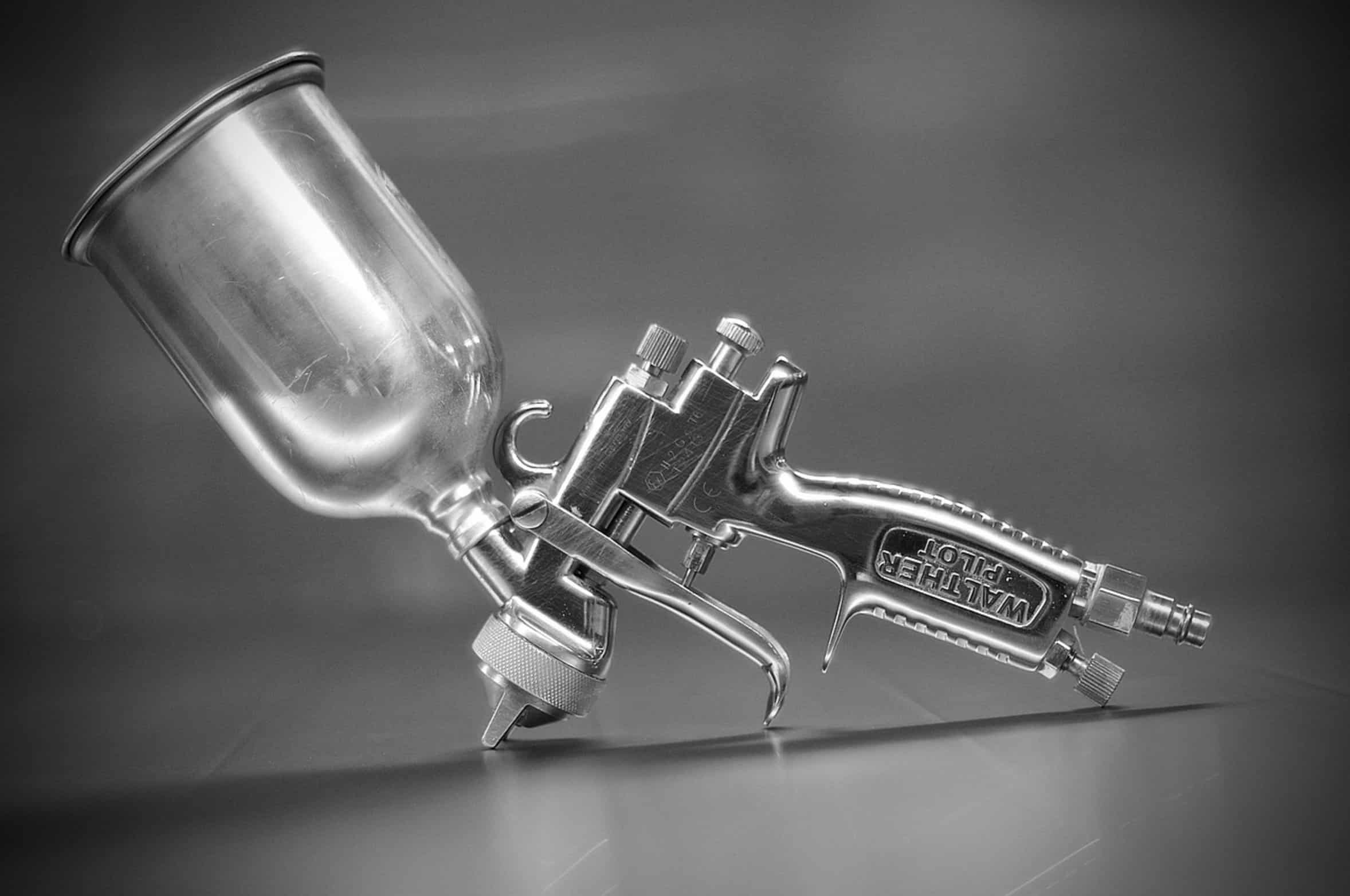
The old school workhorse of the trade are conventional spray guns that run at high pressure, typically from 40 to 60 psi at the air cap. High pressure equals aggressive atomization at high velocity. Speed is the benefit; covering a large panel take only seconds.
Overspray is massive. Only a fraction off the material ever gets to the part. It just hangs there in the air, you inhale it.
It lands on your car. It lands on the floor. Transfer efficiency is frequently less than 50 percent.
Translation: Half your paint are going straight into the trash. These guns requires serious respiratory protection and expensive booths. They get the job done in production lines but they punishes a home garage.
HVLP Spray Guns
For serious enthusiasts (and pros) High Volume Low Pressure, HVLP. Change the game. As name suggests, HVLP delivers lots of air at a low pressure that is usualy under 10 psi at the air cap.
That’s a gentle delivery system that minimize bounce back. It also mean more paint adheres to surface. Transfer efficiency soars above 65 percent.
You use less material. Make less mess. You often end up with a smoother finish since atoms hits the surface with less energy.
Sata and DeVilbiss dominate here. They makes some precise tools but ones that tend to rely on strong air supply. The compressor needs to be able to handle high CFM demand.
When the air dries up, the finish will soon fails too.
LVLP Spray Guns
The new kid on the block is Low Volume Low Pressure (LVLP). These offers the same benefits as low pressure, but use less air than HVLP.
That makes them appealing right from the start. They can be operated by smaller quieter compressor. Pancake tanks may even do the job for touch ups.
Companies like Wagan and Eastwood offer these at reasonable prices. The catch here is speed and in some cases finish quality. With less air volume, the spray are not as fine.
You will notice a little rougher surface than true HVLP. The gun needs to be moved slowly. More coats needs to be applied.
It’s a give and take of performance vs infrastructure. If you have patience it will work great on your car and furnitures.
Choosing the Right Gun
Which one to buy?
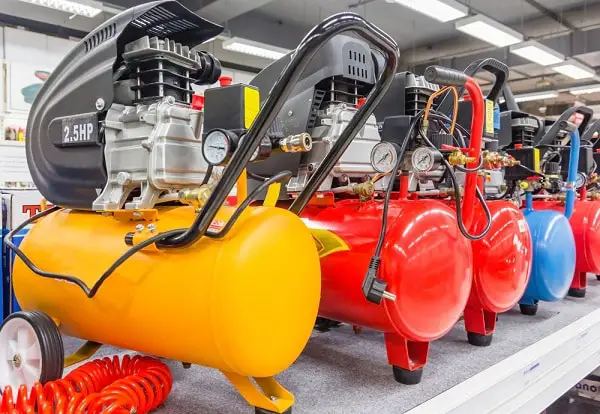
That depends on your air. Go check your compressor. What’s its CFM rating?
If it’s a big ol’ twin cylinder and you have a massive tank of air pressure, buy HVLP. Pro tools will also gives you the best finish. If you’re using a little old shop compressor, then LVLP makes more sense.
Don’t try to shove an HVLP gun into weak air, it won’t spray well. It will spit paint instead of spraying it. If you plan on painting outside where there’s complete containment (i.e. In a booth) then conventional guns might make some sense.
Otherwise, for most indoor work, they’re just too messy. The tool respects the physics of the material. HVLP balances breaking it down fine enough to flow, yet still hits it hard enough to stick.
LVLP asks a little more patience, but lets you off on relaxing air requirements. Conventional guns pays for speed with lack of cleanliness and waste. Choose the one that best fits what compressor you have and how much cleaning up you’re willing to do.
You’ll know from the finished product if you would of made the right choice.