It’s one of those moments where you’ve got a lug nut removed, but you’re holding a tool in your hand and it doesn’t seem up to the task. Sometimes that is because impact wrench has failed. In your haste to get the tool you chose for the job, did you go for lowest price?
Did you select the one with best rating shown on box? Knowing about torque ratings will let you know before beginning work what your tool can absorbs. Many people sees a number and think that’s all there is to it.
Little do they know that impact torque are different. It is different depending off the shop temperature, the hose size, and air pressure. Guessing about those factors can cost you time and cause damage to your bolts.
You want precise matches between tool and task. This is peak torque. You know that first number you always look at?
Understanding Impact Wrench Torque Ratings Basics
Understanding Peak Torque Ratings
That’s the one manufacturers relies on. Why? Because it sounds cool!
Peak torque is what you think of as maximum rotational force under perfect lab conditions. And those are never found in your actual garage. Peak torque is also a one-off.
It is one shot when hammer meets anvil with perfect air flow and angle. It is a theoretical best but not necessarily something you can sustain. Understanding this keeps you from thinking too highly about how much it will do for rusty axle nut.
Balancing Free Speed and Torque
Free speed is the number of rotations per second that wrench turns freely without resistance from turning a bolt. It sounds strange, but it’s important. If you have an incredibly high free speed but poor torque, your wrench may turn very fast, but not be able to actually turn on something like a large bolt.
A wrench with good torque but low free speed will turn lug nuts easily, but it will bog down in an assembly situation where you’re working with high volume. The idea here is to find a happy medium between the two. Similar to car engine, you’d want torque to tow and horsepower to accelerate.
Similarly, your wrench require both to do its job properly.
Impact of Air Supply on Performance
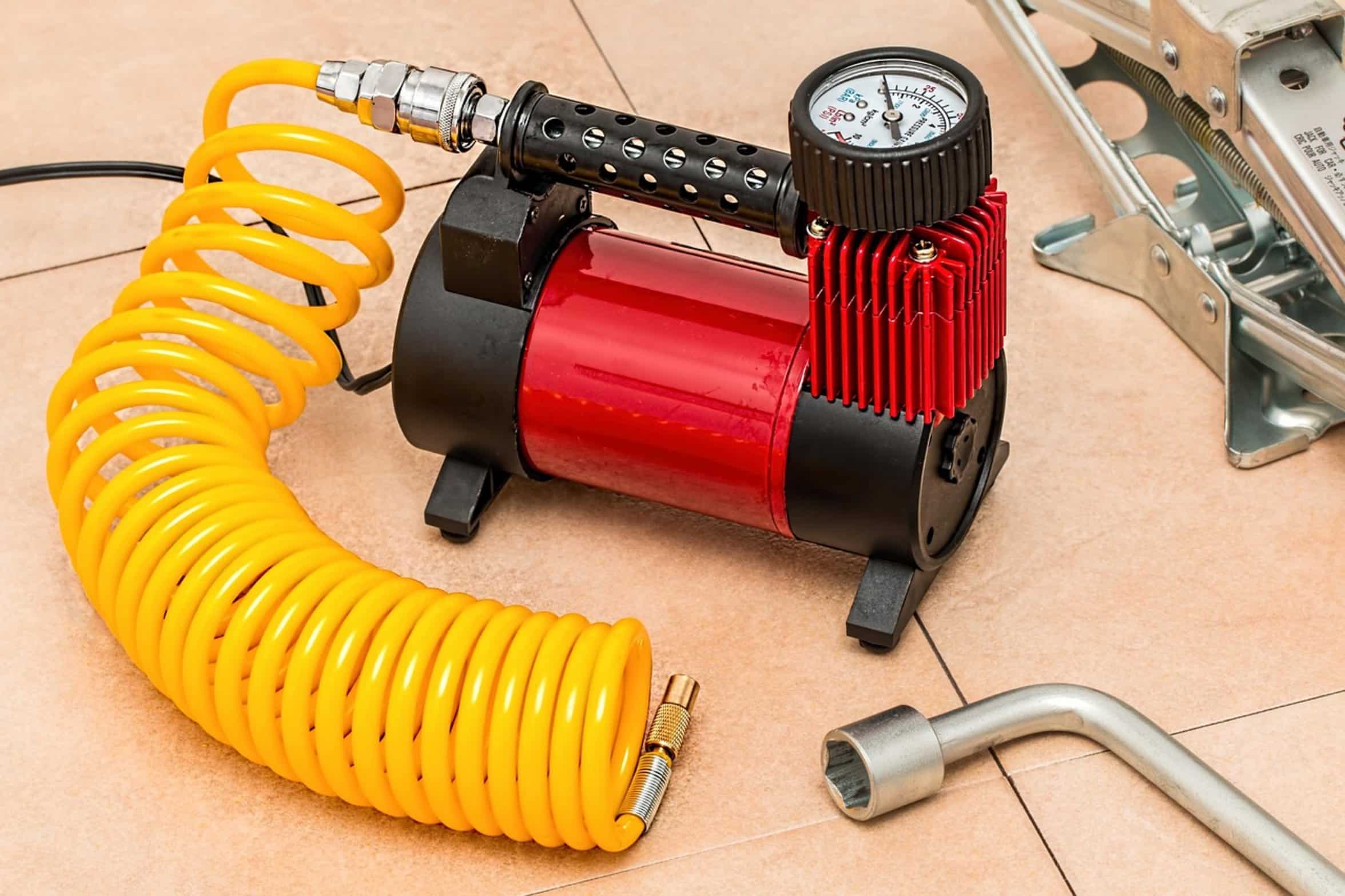
Air supply limitations mean you should of buy a unit rated at three hundred foot-pounds of torque. Feed it to that through a weak compressor and a long, narrow hose, and that rating goes away.
No air gets to the tool. The tool stutters. Torque output decline as the necessary volume of air fails to reach the tool quickly enough.
Users faults the tool. Usually it’s the delivery system at fault. Shorten your hose and make it wider, use a bigger compressor, and you’re back to power without another wrench.
Adjustable Torque for Different Bolts
Not all bolts is created equal. Some bolts need more, some less. A heavy truck’s suspension components takes more than lug nuts on a sedan.
Applying too much force on delicate bolt with a high-torque tool will break the bolt. Adjustable torque settings makes this possible. Newer pneumatic or electronic wrenches lets you dial it down to protect those expensive bits.
It also increases your wrench’s longevity. Tearing around at full speed with a high-powered impact wrench on tiny screws only shortens its lifespan. It also generates extra heat and extra stress on its inner workings.
Reliability of Brand Reputation
Consistency matters, but so does brand reputation. Decades of data about how well their tools holds up to stress exists for brands such as Campbell Hausfeld and Ingersoll Rand. Those brands’ ratings generally reflect their accuracy and conservatism.
To keep pace with cheaper competitors, they may even overstate the performance of these lesser tools. That’s marketing strategy. If you’re lucky, you’ll recieve that bargain brand tool.
On the other hand, you could be left high and dry. Reliable brands come at a price. Often, the price is knowing you can count on it.
You will know you won’t have to baby it into service. You know it will do the job. The bottom line: Torque ratings are a guide, but never a promise.
Testing Tool Integrity and Feel
They’re a starting point. Your experience will be based off how well your tools is set up, what techniques you use, and integrity of the fasteners themselves. The box can’t be trusted; put it through its paces.
Get to know the feel. Hear its rhythm. If it stops with control and moves with authority, then you’ve got a winner.
It’s worth far more than a big number stamped boldly on paper.