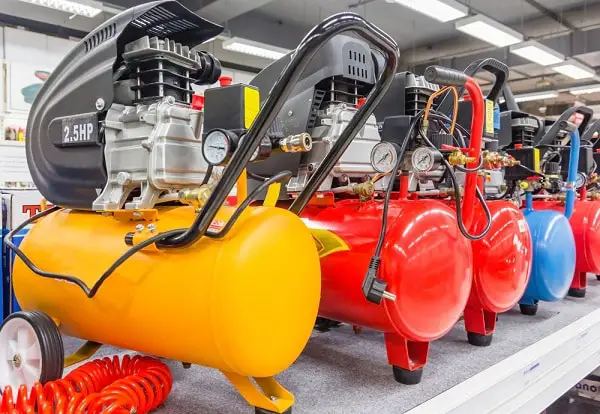
Workshops are full of the hiss of compressed air. It’s a sign of power, speed. Industrial-strength isn’t always easy with cordless tools.
Now battery tech has come to impact socket game. DeWalt offers a 20V Max model and so does Milwaukee with their M18 brand. Do they really deliver heavy duty?
Can they remove rusty axle nuts? Torque specs is for those who view them as absolutes, both pros and DIYers alike. They see a number on the package of a tool that has largest number and think it must be better.
But there is more to the story. The story are about how tools deliver force and maintain that force in real world. Knowing this can save you time and keep your bolts from being stripped out.
Comparing Air Impact Wrenches To Cordless Tools
Understanding Torque Ratings
Headline torque ratings on cordless wrenches typically refers to a peak value. That’s the highest amount of force the wrench will deliver for a split second until motor stalls out or the clutch engages and lets go. In theory, that sounds like a great spec.
In reality, it’s confusing at best and misleading at worst. Electronic clutches aren’t used on an air impact wrench the same way. These tool use mechanical vanes that get pushed continuously by air flow.
As long as your compressor is running and trigger is held down, the force remains. There’s no spiking and stopping with the air tool. Consistency goes a long way when you’re battling over-tightened and/or corroded fasteners.
Brushless Motor Technology
The battery tech is better Then there’s the new breed of brushless motor. They’re powerful, they’re efficient. And companies like Matco and Snap-on offers cordless solutions that stand up to pro applications.
You get some serious numbers in a top-of-the-line 36V or even 60V version, with as much maximum torque as your garden-variety half-inch air wrench. But max isn’t always average. If you’ve wrestled a stubborn bolt with your cordless, you know what I mean; it’ll pulse, ramp up and down aggressively when needed, great for tightening, but not for consistent breaking force.
An air tool hammers away, evenly, until it breaks through the resistance. For straight-up breaking power, air reigns supreme in many heavy duty applications. One variable that goes unnoticed when talking about an air system is the compressor.
Air Compressor Limitations
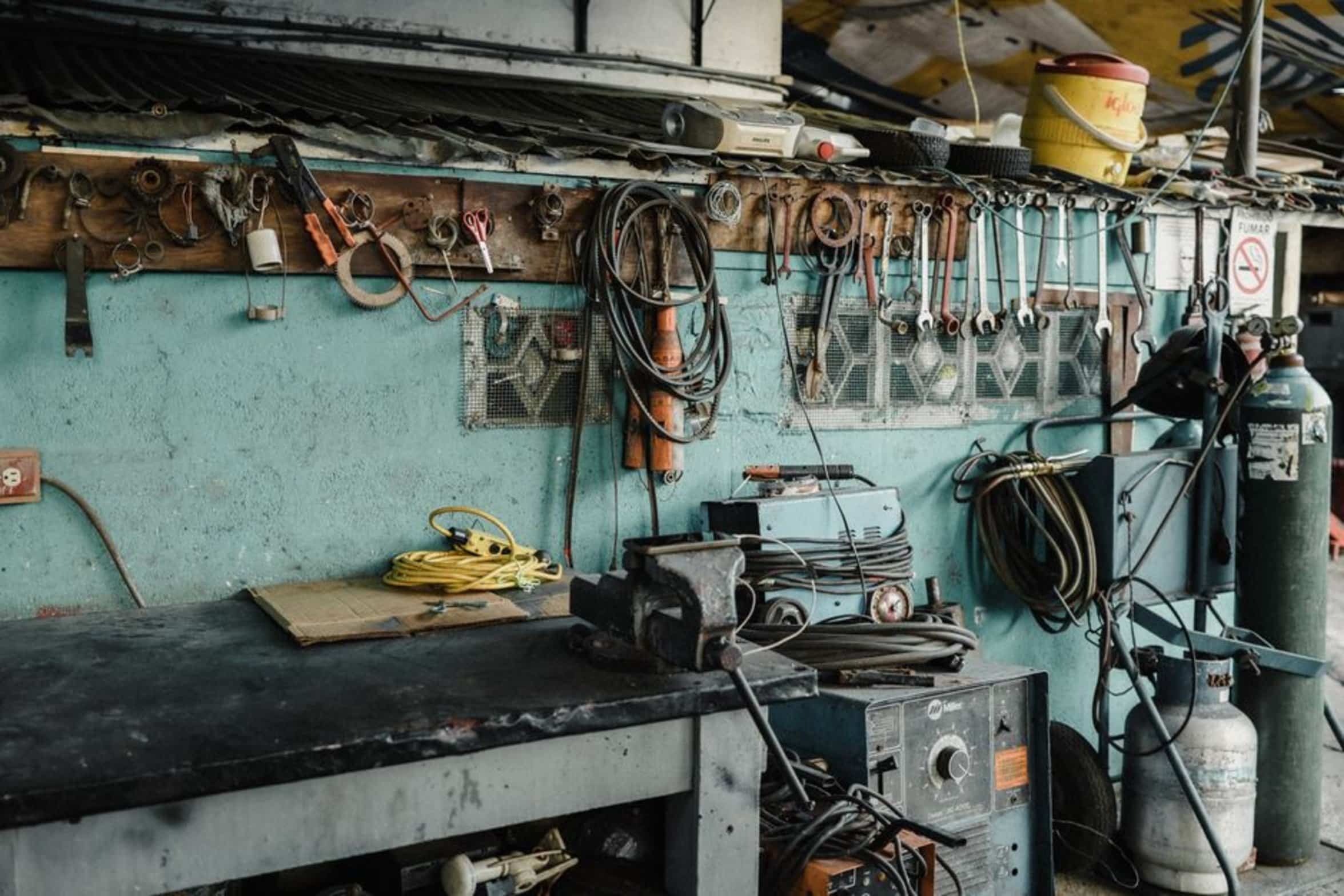
You can’t pull a wrench without source of power. If your air compressor only holds enough air to last two seconds then all the extra torque in the world won’t help much. You spend half your time waiting for the tank to refill.
With cordless tools, you don’t have anything to worry about. Plug in the battery and be on your way. No need for a tank, regulator or hose.
When working quickly on a job at home or while mobile, the convenience is a big plus. But there is a catch, your tool will only run as long as the battery does. If the pack’s dead, so are you.
You can’t just top off the air tank and wait for the tool to cool down in ten seconds. The other aspect not talked about much is heat. Compressed air flows through air tools cooling them.
Heat Management in Cordless Tools
When they get warm it doesn’t matter. But when you are using a cordless tool on high load for an extended period of time there is a lot of heat generated internally. Enough that the electronics and motor will actualy throttle back to keep from getting too hot.
That’s why sometimes a cordless wrench will lose power after extended periods of use like a full turn of a car. The first wheel is easy to take off. Harder to take off the fourth, because the tool has managed itself in regard to heat.
The air tool does not care about battery voltage or motor temp. It just works until the air stops. It runs till the air quits.
In terms of speed of operation, that usually means going with the pneumatic. With a good quality air impact, you will get more RPM under load than a comparable cordless motor. More RPM equals more turns per second equals more impacts equals quicker loosening.
Speed and RPM Comparison
If you work in a high volume repair facility, or change your own tires on a track day, that time compounds. That extra couple of seconds to loosen each lug with a cordless will add up over 50 cars a week. Those seconds compound into hours for the pro.
For the weekend warrior, not so much. It’s negligible. What then?
Which should you get? Honestly, it’s all about your workflow. If you do long jobs with sustained breaking power, and you’re pretty stationary anyway and have a decent compressor, stick with air.
Choosing the Right Tool
It will deliver more consistent force for longer durations. If you’re doing lighter duty stuff, if you value portability, ease of setup, etc., go cordless. For most automotive maintenance work, the technology is good enough.
Keep in mind, however, that the number on the box isn’t a promise, it’s a peak. And as always, don’t judge by the spec sheet. Judge by how well it does when the bolt won’t budge, and it’s time to make the tool earn its keep.
You should of checked the wattage first. It can be luxurius to have such power. A moddern wrench is good but air is better then cordless based off my experience.
The furnitures in your shop should match. I recieve many questions about this. It feels more comfortabley to use air.