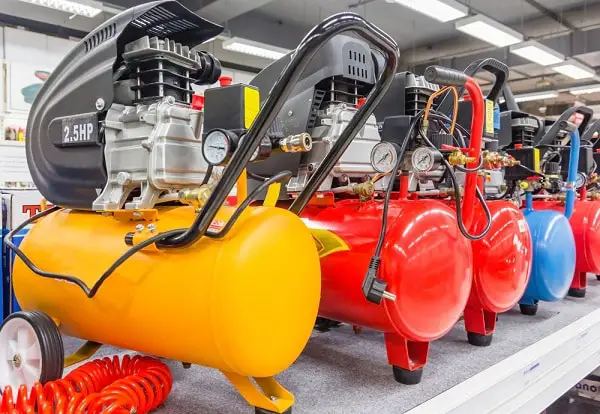
There’s a certain brand of frustration when you buy the wrong power tool. In the hardware store, holding a pneumatic nailer in your hand, you feel confident in your choice. On the job site, you see you have a coil magazine gun for a framing job that needs speed.
Or you have a stick magazine gun for a trim job that needs a tight profile. A coil nailer isn’t about looks, it’s about feed. It’s about how it feels in your hand after using it for an hour.
It’s about being able to drive a nail in the corner of a cabinet frame. The decision usually depends on the balance between control and capacity. The stick nailer is slim and easy to handle.
With these guys, you’re constantly stopping to reload. However, they holds less ammo. The coil nailer is big and beefy, but it hold more ammo.
Fewer stops to reload, but it’s not as easy to maneuver. Knowing where that line sits will help you choose the correct buddy for each project. Understanding where that line falls prevents that moment of panic when the magazine jams in a tight space.
No need to run out of ammo halfway through a long stretch of wall either.
Comparing Coil Nailer and Stick Nailer Features
The Coil Nailer Advantage
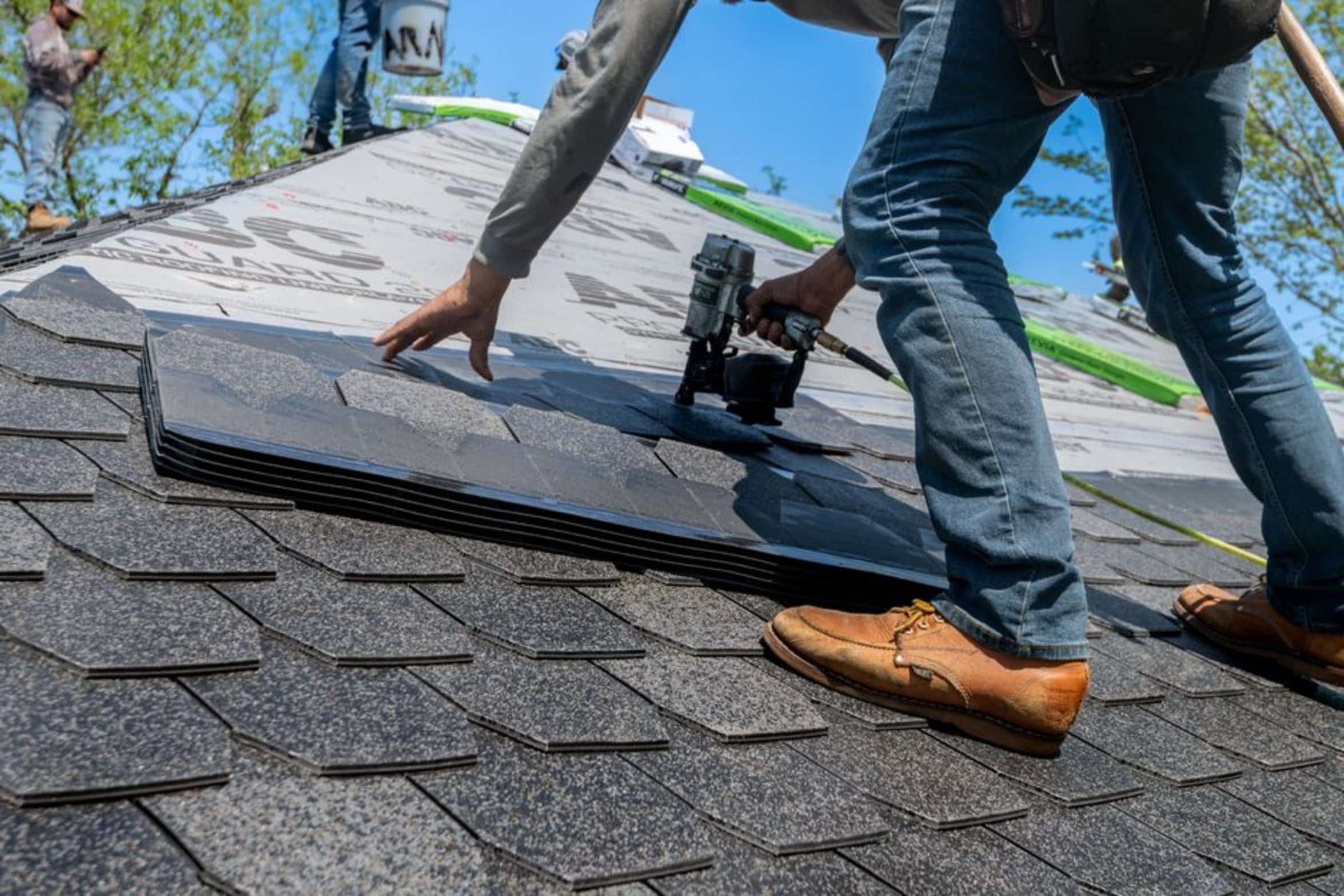
How does it get its name? Coil nailers take their name from the magazine design.
In a coil nailer the magazine contains nails wound around a steel coil. This give the magazine high capacity, often holding as many as seventy-five or even ninety nails. When you are sheathing a building or adding a deck, that’s a pretty big advantage.
Speed is more important here then precision. For those jobs, you don’t need pinpoint accuracy but you sure need speed. That’s why framers love tools like the Bostitch N66CC.
Framers has to keep moving, and they don’t want to mess around with reloading. With all the fasteners in the hopper, you’ll be able to avoid reaching for the next nail and instead spend more time swinging the gun. It is efficiency by brute volume.
Pros and Cons of Coil Magazine Guns
Physical profile is the downside. With the coil mag added, the tool now has some girth and heft in the body. When nailing in a corner of a stud bay or at an edge of a subfloor you can bang the head of the tool against nearby materials.
That deflection causes the nail to miss its mark. Now you have to take another shot or risk ruining the finish. The coil nailer’s bulk make it feel unbalanced for delicate work.
There’s all this extra steel you don’t really need for something precise. Match the tool to the space it has to fit.
Benefits of Slim Stick Magazine Nailer
In contrast, stick nailers feature a strip of nails running down straight.
The nail sits in a slotting magazine. This approach makes the tool profile very slim. The slim profile lets you fit the nose of your Senco FN22-X2 into spaces a coil gun cannot reach.
That’s important when doing trim work. It also helps when casing doors or installing baseboards in tight corners. For stick nailers, the primary selling point is maneuverability.
It allow you to get pretty darn close to edges and drive nails in. You can also drive them in confined spaces without the head of the tool getting caught on other materials. Capacity comes at a price of precision.
Reload Frequency and Operator Fatigue

But obviously, that means that you can only fit so many fasteners into the stick magazine. Depending on the size of the nails, it will generaly hold about twenty to thirty nails. That means reloading quite often.
In a fast-paced environment, those extra few seconds pausing to reload another strip add up quickly. Finish carpenters don’t reload as much. They do their job in a slower, more careful way.
And lightness of the stick nailer also cuts down on fatigue. Picking the gun up overhead for extended periods is easier. When accuracy is the goal, comfort tends to win out.
Noise Levels and Delicate Finish Work
Coil nailers involve more vibrations and noise because they require more volume of air, or a bigger gas cartridge; they often comes with more kick and are noisier. Stick nailers are smoother and quieter. If you’ve used the smaller gas powered ones from companies such as Paslode or Fujitsu, you’ll find that even more so.
If you’re working in someone’s house, especially one that is finished, and sound carries, noise becomes an issue. So does it if your clients are sensitive to it. Not only does the gentler action help avoid splitting delicate moldings, but the way the nails deliver their power is more tuned toward care than force.
Choosing the Right Tool for the Job
So, what’s it all mean? Which one do I purchase? If I’m doing some heavy rough work like framing a house, shed construction, etc., then I’ll reach for a coil nailer.
Because of their capacity, they keeps me in the flow. That slight added weight is unimportant when compared to the speed gained. If I’m doing some finish work with limited access, cabinet installation, trim installation, etc., then I’ll pick up a stick nailer.
Because of its thin profile, I can put my nails exactly where I want ’em. No fighting the tool. Eventually all serious woodworkers own both tools.
For big jobs they break out the coil gun. For details they grab the stick gun. There’s no way around this; it’s frustrating if you try to do everything with one tool.
Pick the tool for whatever the main task is. The best tool is the tool that vanishes into the work. If using the tool feels like an extension of your hand instead of an obstacle in your way then you’re doing it right.