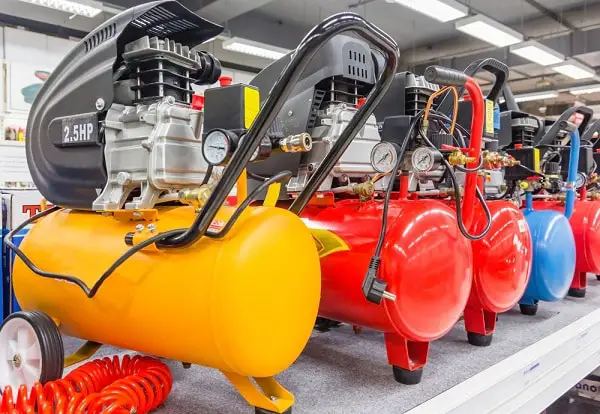
Air compressor explosions are not where you would imagine them to be. They aren’t usually in heavy industrial plants, but instead occurs in small workshop or even home garages. A neglected tank over the course of several years can easy turn deadly.
When a pressure vessel explode, it’s violent. It launches metal shrapnel as missiles capable of piercing concrete and destroying objects within a broad radius. Until then it’s an abstraction (until you get to watch the video).
A simple Saturday morning job turns into a disaster when rusty steel is just too weak to hold up its shell. And you think this doesn’t happen with today’s manufacturing? That’s where you are wrong.
Sure, it’s well engineered; but the conditions aren’t favorable for the device. Combine moisture, lack of care and devices rated incorrectly for their intended uses, and you have a ticking time bomb waiting to go off, one which most owner never see coming. Beyond the pressure gauge, you have to look at the risk of an explosion in the tank.
Understanding Air Compressor Tank Safety Risks
Why Air Compressor Tanks Explode
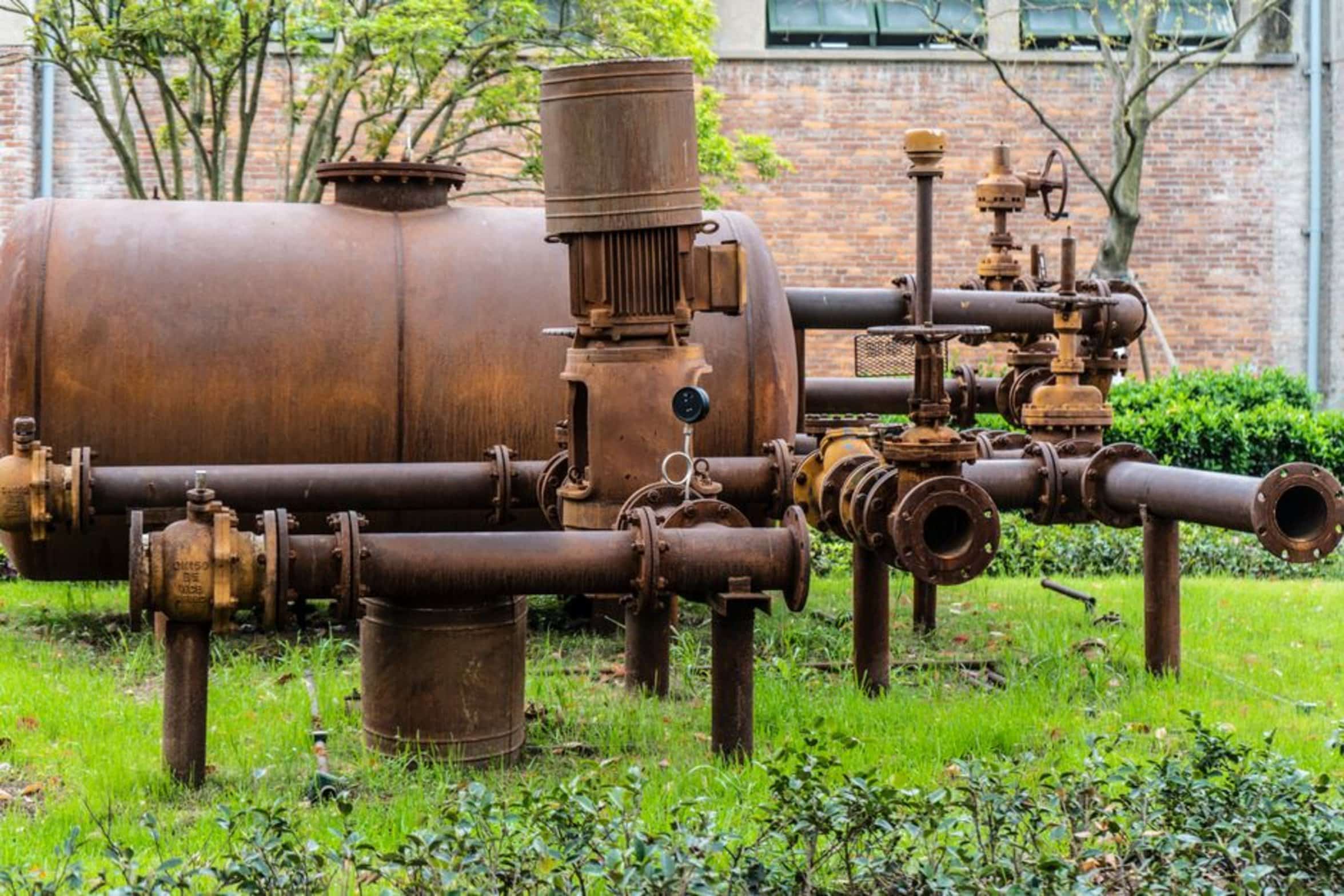
You must also consider the integrity of the tank itself, its certification, and engineering boundaries used to contain compressed air. How do I know if my tank is safe? What standards protect me in the shop?
This isn’t just about maintenance. It’s about understanding engineering boundaries that keep compressed air contained so you can tell if a component has failed before you put air into it. The industry standard for safety is the ASME Boiler and Pressure Vessel Code.
Importance of ASME Certification
These tanks have been tested and inspected at manufacturing to meet these standards. That means they can hold much more pressure then they are rated for. They are designed to handle significantly higher pressure than their maximum operating limit.
This extra margin is your safety buffer. It covers any defect in material. It covers imperfections in the welds.
It also covers any abnormal stress point. Without this code, do yourself a favor and don’t buy it. You aren’t buying a piece of equipment; you are buying a ticking time bomb.
A lot of budget compressors aren’t certified either in order to save money. While they may pass minimal electrical safety codes, their tank are not verified for integrity. Often these units is manufactured by companies that sacrifice quality for initial cost.
You’ll pay the price down the road. Without the ASME rated tank there’s no guarantee it will stand up to the cyclical stresses of filling and emptying. Why risk it?
Preventing Internal Corrosion and Rust
The silent killer of your tank is rust. Anytime you are compressing air, you are pulling moisture out of the air. That water is settling into your tank.
It’s sitting there against the steel at the bottom of your tank. It eats away at the steel over time from the inside out. There’s no way to see this internal corrosion from the outside.
There’s no way to see a hole form in the bottom of your compressor. Your tank is just fine looking on the shelf but structurally, below the water line, it is crumbling. Drain the tank, and I mean you have to drain your tank.
Do it every day. Yes, every day. That’s why you have to get it out of there before it can harm anything.
And most folks neglect to take their tanks outside once a week for a dump. Wrong. Water accumulates fast, especially in cold garages and humid areas.
Good tanks go bad when they is allowed to stand with water. A 50 year life becomes a 5 year horror story.
Inspecting for External Damage
Likewise, inspect for exterior damage.
Are there any deep scratches or indentations/bulging in the tank’s surface? A dented tank has been pushed past its limit of what it was designed to withstand. This compromises the grain structure of the metal which forms weak spots that will eventually give way when exposed to pressure.
If a tank is bulged, don’t bother with your compressor. It’s already bent out of shape and has lost its strength and form. You can’t fix that.
Get rid of it now. If you see any external rust on some old tanks that has been painted over, that’s a red flag. Painting over rust traps moisture against the metal and accelerates its decay.
It gives a false sense of security. The tank looks ok but there’s still structural weakness underneath. A home workshop tank isn’t easily sandblasted.
The external rust indicates interior rust is probably worse. Time to get a new compressor. It is not just a matter of a fresh coat of paint.
Testing Pressure Relief Valves
The final line of defense is your pressure relief valves. These devices are meant to open when the pressure switch malfunctions and the tank goes above normal operating pressures. Pull the ring on top of the valve once per month to check it.
It should let out air cleanly and loudly. If it leaks all the time or gets stuck, then change it. It’s a little piece of brass that’s worth its weight in gold.
It keeps you from having too much pressure in the tank which will eventually be more than the tank can take. Don’t ever dismiss a stuck valve. That’s the difference between a loud hiss and a catastrophic blast.
When selecting a compressor, be sure to pick one that’s certified for your needs so everyone stays safe, including yourself and your loved ones. Next, check the ASME rating on any tank; this will give you peace of mind knowing it’s rated for the job. Add in good maintenance practices and there is no guessing game.
Follow the recommended pressure limits, check the tank regularly, and keep it dry. Safety isn’t something that just happens. It’s the outcome of making educated decisions and practicing regular maintenance.
Be good to that steel tank and keep your garage a safe place. Actually, I should of mentioned how moddern these units are getting too. The real problem is when they dont work right because they dissapears into poor manufacturing quality.
You should of checked the tank more carefuly for any luxurius finish that hides rust. It is naturaly easy to ignore it but you must look based off what the manual says. You’ll recieve a surprise if you don’t.