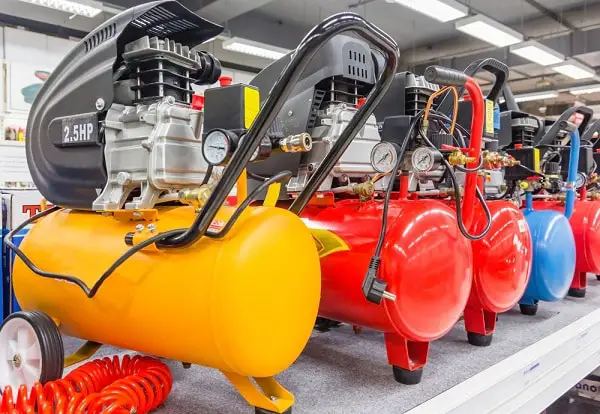
Hear that? You hear it hissing, and then there is nothing. That’s the compressor pump shutting down.
Nothing can be more annoying or more devastatng to a project. Whether you’re spraying finish with a DeVilbiss gun or nailing up drywall with a Milwaukee nailer, a dead compressor shut down your work. What do you do right away: Do I throw this whole thing away and get a new one, or replace the pump to save some money?
Whether you should replace just the pump isn’t a simple yes or no, as it depend on several factor. Compressors come in such wide varieties, it’s not always easy to say yes. While Ingersoll-Rand offer a heavy-duty reciprocating compressor, Campbell Housefield offers basic pancake-type unit.
The answer is rarely simple. Either you find the right one and void warranties or put yourself at risk of safety issue. And rebuild incorrectly?
Well now you’ve got a non-pressurized piece of junk on your hands. Having a clear diagnostic plan can help determine what makes sense for your budget and your particular unit. The sound will tell a story about why it doesn’t run anymore.
How To Decide Between Repair Or Replacement
Diagnosing the Failure Mode
If it slowly lost pressure over the course of an hour, chances are good you have a leaking head gasket or some kind of valve issue and it’s probably repairable. But if there was a sudden loss of pressure and it smelled like burning then you’ve had a catastrophic internal failure. Either the crankshaft stripped or the piston seized in place.
Metal on metal in a sealed cylinder almost always mean you’re toast. No sense rebuilding a melted piston. Before you spend a dime that should of be the first thing checked.
Checking Parts Availability and Brand
Secondly, check the age and brand ecosystem of your compressor. Many compressors made today (e.g., Bostitch, Porter Cable) is designed to be throw-aways. Finding replacement seals, pistons, or crankshafts for these generic models can be a nightmare.
If non-standard parts aren’t easily found at an authorized dealer or a place like Grainger, the cost of labor to find them will exceed the purchase price of a low end compressor. On the other hand, if you have a pro-grade Kaeser or one of those old Atlas Copco monsters, the math go the opposite direction. They is built to be serviced.
You can find the parts. Servicing it is an investment that maintains its value. Be honest about your mechanical ability.
Assessing Your Mechanical Skill Level
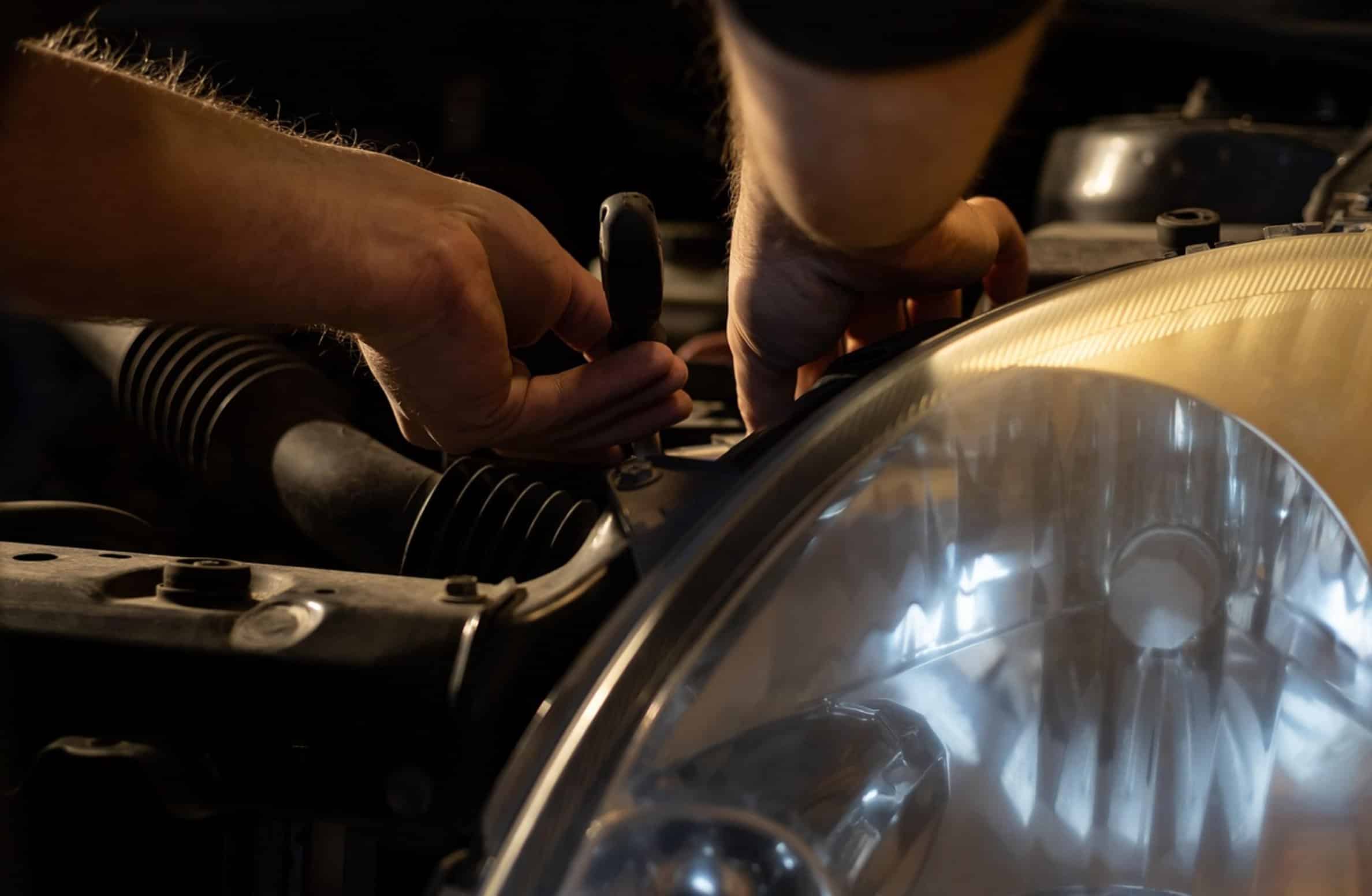
Taking off a compressor head mean taking it all apart (pressure switches, tank safety valves). You want a clean work space, and a torque wrench. Single stage reciprocating pumps aren’t that hard if you’re comfortablely changing an engine in your vehicle.
Never opened up a sealed piece of machinery? Too risky for a DIY. The potential for explosion when the pressure release systems is out of whack on a bad reassemble job are real.
Don’t do it, save yourself some money but be safe. Also look at your tank. People pay so much attention to the pump they forget about their reservoir.
Inspecting the Tank for Rust
Has your tank been pitting? Is it rusty in the inside? Are there other indications of corrosion?
Changing pumps in this situation is throwing good money after bad. Those rust flecks will be circulating around your system and blowing right through new valve and seal. Look at the drain valve.
Black, sludgey water coming from the drain tell you that something has spoiled the interior of your tank. At best, a new pump on a rusty tank will only provide a temporary solution. Any replacement needs a clean vessel to work.
Calculating Labor vs Replacement Costs
Determine labor value in relation to material costs. For example, a typical two horsepower compressor can cost as little as 30-50 bucks for parts. However, you’re paying with your time.
Let’s say it takes six hours to find all your parts, take the machine apart, clean it, and put it back together. That makes your hourly rate for working on this job pretty high. Throw in a new Ryobi or Husky midrange unit and see how much cheaper it is then.
New isn’t always due to laziness. Sometimes it has more to do with being efficient. Is the new unit warrantied?
Will it perform better? The rebuild doesn’t look so appealing. Decide for yourself from the big picture: Is the pump failure minimal?
Are parts accessible? Was the tank OK? Is it a quality machine?
A rebuild can extend the life of a quality machine significantly. It’s cost-effective and it honors the design. Otherwise, toss it out if it’s shot and not just the pump, or if you have a generic piece of crap that’s already old.
Replace it and organize your tools. Sometimes knowing what to do is as valuable as knowing how. Don’t bet on something you’re going to use in your next project.