
Two machine sit in front of you in aisle. One has a cord that is plugged into wall. It’s heavy because it’s got a corded compressor.
The motor hums to refill in cycle. The other machine are powered by batteries and weighs a fraction of the weight of standard compressor. It run silently.
Pick one or the other according to what matter most to you. It depends on how you move through space and time and how you spend your day. How would you like a half inch hose to drag around a 30 foot extension cord?
How about a gas tank with no room for it in a small closet? Use the right tool for the right constraint. The size of your project will determine how much power you need.
Comparing Battery And Corded Air Compressors
Choosing Between Corded and Battery Models
With either one, a corded compressor have a full tank before you are able to empty it. Pull the trigger; the tool fires. The tank refill as the motor hums along.
It is a continuous cycle. Then you have battery types such as Ryobi ONE+ or the DeWalt 20V MAX. These is portable. They are great if your job is light duty.
You can carry one in one hand and nailer in the other. But on those high demand jobs it eats up the battery quick. If there’s constant air demand the unit have trouble keeping up.
It is good for brad nails or just to inflate a tire. It is not so great with heavy air tools. It is easy to use.
Understanding CFM and Air Flow
Cubic feet per minute (CFM) are a measurement of compressed air flow. Consistent CFM is important if you has a stapler or a framing nailer. Air are used quickly.
Portability and Weight Considerations
Weight and mobility are key consideration. Portable air compressors typically range from about forty to sixty pounds. Getting up on a ladder is no fun with that weight, and if you’re doing some finish carpentry carrying it around the house is not easy either.
Battery air compressor are lighter. The new Makita 18V LXT series goes into your tool bag. This save time.
It also eliminates carrying heavy equipment, wrestling with an air hose, and tripping over a power cord. It’s noisy on a job site. Piston models especially older ones are loud.
Noise Levels on Job Sites
And the louder they are the harder the motor is running. In residential area it’s just plain disruptive. When doing any delicate trim work it’s also a distraction.
Compressors using batteries operates much more quietly. Smaller pump paired with efficient motors help make this quiet operation happen. You’ll be able to get up earlier now and not have anyone know, that quiet factor becomes something you notice quickley.
Cost and Battery Ecosystems
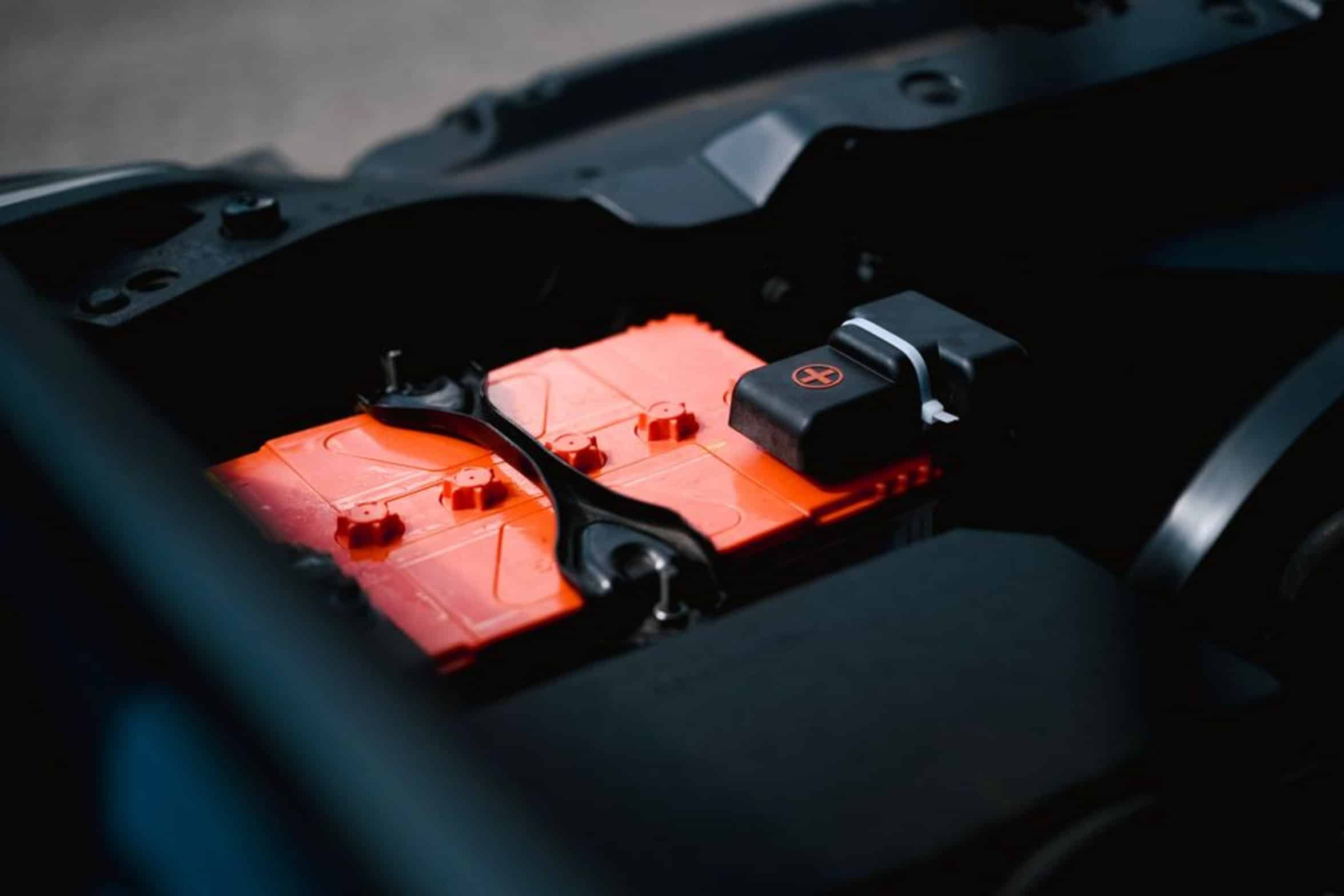
But of course, there’s price. A heavy-duty, corded compressor costs more than an entry level, battery one. Wireless conveniences comes at a price.
And you’re stuck in the battery system. Want to get your compressor and then purchase separate batteries and a charger later? That’ll cost more.
Corded models will simply run off electrical outlet. Match the task to the tool. For tough jobs like flooring or framing, go with the corded.
When you don’t care about the noise but need constant power, go with the corded. Go with the battery for something like inflating or finish work. When you want something that you can move around, go with the battery.
There’s a place in your shop for both tools. Know when you need to switch from one to another. You should of want the right power for the task.