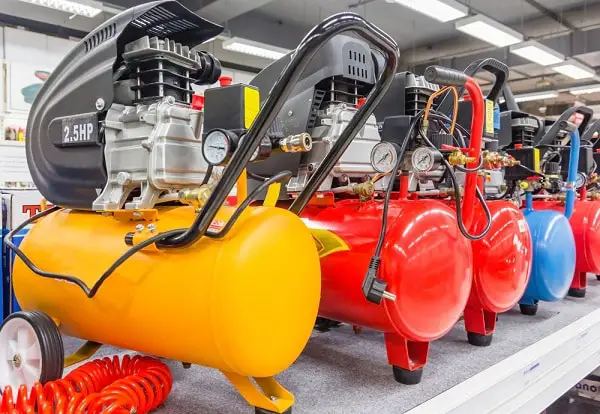
In any serious shop, you want a compressor that stays put. You can be spraying finish, sanding cabinet or driving nails, but the compressor remain in place. If unit is wobbly, your air quality suffer.
Worse yet, vibration will loosen the compressor’s base from the floor and damage motor as well as tank. The problem only get noticed when it’s broken. And by then it are too late.
Sounds boring, doesn’t it? It is like chores: leveling and anchoring. In reality, this talk of safety and longevity.
A true-running compressor will last longer. One that stays put work quieter. It’s simple when you approach it on purpose.
No fancy tools required. No big machine. Just a bit of knowledge regarding the flow of force through wood and metal.
How to Level and Anchor Your Stationary Compressor
Why Stability Matters for Compressors
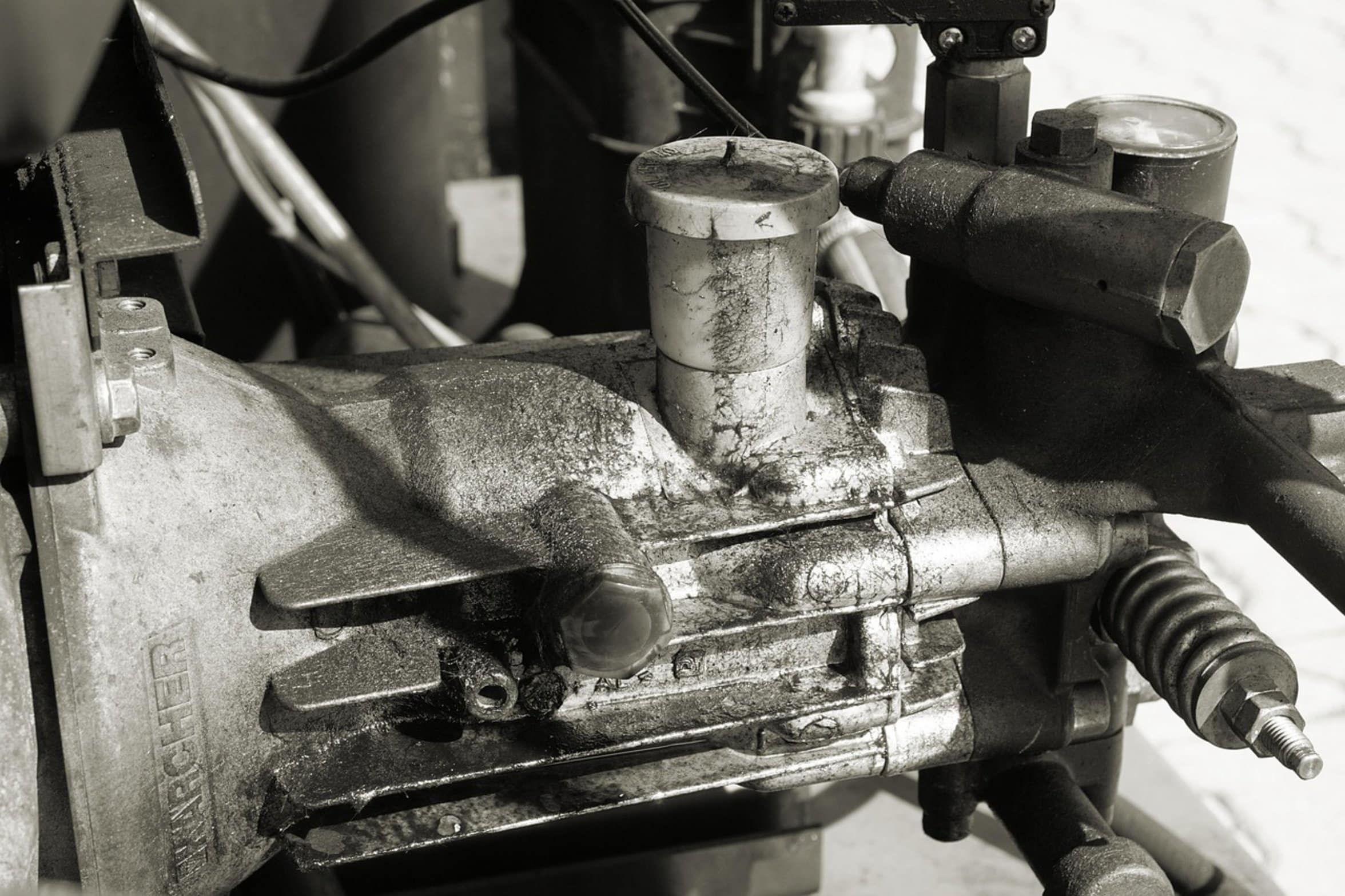
Finding a solid starting point matter more different than the specific level you use. For a concrete slab, it’s all good. It absorb sound and vibration much better then any plywood subfloor.
Choosing the Right Floor Surface
Placing something heavy like pancake compressor from Harbor Freight on plywood will require special attention. Plywood flexes. Flex turn into eventual mechanical fatigue and noise.
Do nothing else until you test your floor for flatness. Lay down a long carpenter level over the space in question. Do you have some peaks and valleys?
Plan on addressing them. A lumpy floor guarantee a bumpy ride regardless of amount of shim you apply later. This is where shims come into play.
Leveling with Shims
Not any old scrap of wood slipped beneath the feet. We’re talking about appropriate rubber or composite shims made specificaly for use with machinery. Those types keeps their shape when pressed upon.
First, place compressor approximately where you want it to be. Now level it off. Do this two ways, left to right and front to back.
Place shim material beneath the low corners. Give it a gentle tap to get it seated. Level it off again.
Repeat until you have a dead center bubble on both axes. It requires some patience. If rushed, you’ll have a compressor that levels out unevenly as time go by.
Preventing Vibration Creep
When running a compressor at an angle, you run the risk of wearing bearing prematurely. No one needs a repair bill like that. But once the unit is level, and it must remain so, vibration causes it to creep.
And it never stops. Even a heavy iron base will creep over months. As it creeps, it begin to grind its feet into floor.
You begin to see gaps develop. And those gaps make sound stronger. The solution?
Use fixation or friction to prevent the creep. A good starting point is rubber anti-vibration mats. This isolate the unit from the underlying floor structure.
That decreases amount of noise that gets transmitted around your shop or home. There are various brands available, like Gladiator, as well as general hardware store brand of thick rubber mats. Non-slip surface is nice too.
Lay down the mat first. Next, lay out the shims and then the compressor on top. The rubber provide a cushioning layer that hard floors just cannot deliver.
Securing the Compressor
Use a mechanical anchor to solve this once and for all. Use sleeve anchors or wedge anchors sized for thickness of your concrete. If your base plate have mounting holes, just go right through there.
A lot of larger stationary compressors (Quincy, Campbell Hausfeld etc.) actualy come with those predrilled because they know what we’re talking about here. If your floor isn’t penetrable, get yourself some heavy duty L-brackets and secure them to floor joists or wall studs. From there, attach a heavy strap or chain to the unit frame then back to the L-bracket.
You now have a tether that keeps the unit in place but doesn’t require any permanent changes to floor. It is a simple fix that solves a big problem. The second run, After your initial run check it out.
Final Setup Check
Turn compressor on and allow tank to come up to working pressure. Observe the unit. Is it rocking?
Walking? If so, increase shims or tighten down your anchors. It may have settled some; you may of to level again.
When you get it under control the compressor will make cleaner air. Cleaner air equals longer tool life and better finishes. What you put into the initial set-up pays off in reliability.
Respect foundation like you do the motor. Happy compressor = Stable compressor.