The port on your impact wrench and the end of your air hose look exactly the same. They feels the same when touched. You feel confident when twisting them together, then you hear the bane of your weekend; the hollow hissing sound of air escaping.
Why can’t these two things that looks the same work together? What did I do wrong? All that frustration was just about wasting time and not knowing what went wrong.
That’s where the fitting standard comes in, since it is usually the cause off the problem. Not all threads are made equal, even if they has the same diameter. Knowing the difference between automotive, industrial quick connect, and National Pipe Taper threads will prevents leaks.
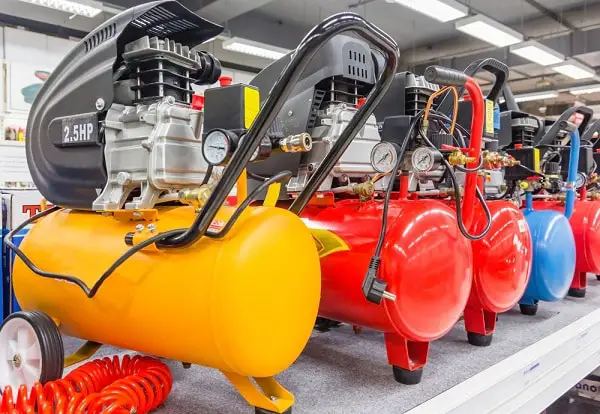
It help you get pressure you need and saves your tools. This makes a larger difference then you might think. The reason I mention the NPT (National Pipe Taper) is that’s what you’re looking at on the actual compressor tank.
Master Air Compressor Fitting Standards Today
Understanding NPT Thread Connections
NPT stands for National Pipe Taper. You simply put the fitting on till the threads makes contact and then snug it down. There’s no washer or anything like that, just the tightening of the fitting forcing the metal thread to come together to form the seal.
It’s reliable but it also take precision; if you hurry too much when installing, it’s very easy to cross-thread an NPT connection. And once your threads are screwed up, you’ve got to buy a new part. This is why most beginner tend to overlook this part.
Industrial Quick Connect Systems
Other systems like industrial quick connect system do work well. Those blue couplers you find at Harbor Freight, or their stronger yellow cousins at Parker, use a ball-and-socket system. You just push the hose onto the coupler and the balls inside clicks into the groove.
Pulling the collar back releases it to come undone and it’s fast and reliable. What’s important to note about that is you have to match types, Type A won’t mate with Type B, they look almost exactly alike except up close. This means if you mix and match, you’ll be going back to the store frustrated and buying more.
This defeats purpose of having one. So go for one ecosystem and purchase all your connectors and couplers in that standard. What gets dicey for the homeowner tinkerer here are those auto fittings, many of which use a tiny plastic quick connect that “clicks” into place.
Automotive vs Industrial Fitting Safety
The internal mechanism is distinct from the industrial version, even though they looks nearly identical. Forcing an industrial fitting onto an automotive tool will often snaps off the plastic collar, an expensive lesson. Likewise, putting an automotive fitting on a high-pressure industrial air line risks having the plastic rip in half when stressed.
Always know the pressure rating of your fitting; never presume a bargain-basement piece of plastic is capable of the same PSI as a steel fitting. You might have NPT outlets on your compressor but want to use quick connects for your tools. That’s what adapters are for.
Using Adapters for Versatility
They’re a simple brass reducer that you screw onto the end of the compressor tank (NPT). Then, you put the quick connect body onto the other end off the reducer. This bridge the gap between using tools with permanent plumbing and when they’re just being used portably.
That way you get best of both worlds. You keep the tank sealed up tight and have the convenience and speed of quick disconnects for day-to-day tasks. Match the fitting to the job.
Choosing the Right Fit for Your Tools
Use NPT for permanent compressor connections. Use industrial quick connect for heavy duty shop tools. Use automotive style connectors for car care work with lesser pressure.
Maintain a stock of popular adapters, as they’ll pay off over time. You’re going for that fluid flow, and you don’t want to think about connecting things together. Your thought process should of been on the task at hand.
The next time you grab that air hose, spend a minute or so inspecting the threads and know the standard before plugging in. The brief delay will save the leak and keep the air in it’s proper place. This means it’ll get the job done on time because the correct fit matter.