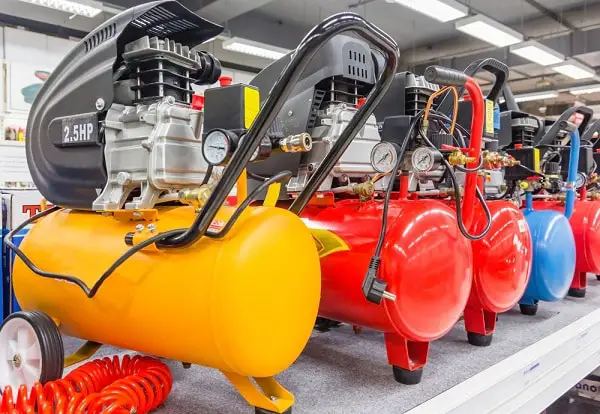
A plasma cutter is a great device for using on heavy metal, provided you have enough compressed air to feed the machine. Because without a constant supply of air under pressure the machine can’t create a reliable arc and maintain a consistent width; otherwise the cut will be wider than intended or the cut’s edge won’t look smooth. In addition, torch might turn itself off in the middle of the cut.
So, the compressor isn’t something extra but the heart and soul of this process. Many people make this simple rookie error: They pay too much attention to cost and do not consider quality enough when purchasing an air compressor. They get one of those tiny little inexpensive unit that will fit in the corner of their garage.
When they attempt to cut half-inch steel, pressure goes down. The motor spins but can’t maintain speed and they end up with a poor cut. Paying the appropriate amount now will save you money in the long term.
You’ll have clean cuts and your air compressor will last longer if you get the specs correct. CFM (cubic feet per minute) is a rating that specifies exactly what the compressor are capable of delivering in terms of air. For most entry-level plasma cutters, you’ll need 4-8 CFM running the machine at operating pressure.
A common mistake among consumers is that they think a larger tank equals better performance. That’s not correct. To understand how the system work, know that the pump create the flow rate and the tank act as a reservoir.
How to Choose the Right Air Compressor
Why Air Quality Matters for Plasma Cutting
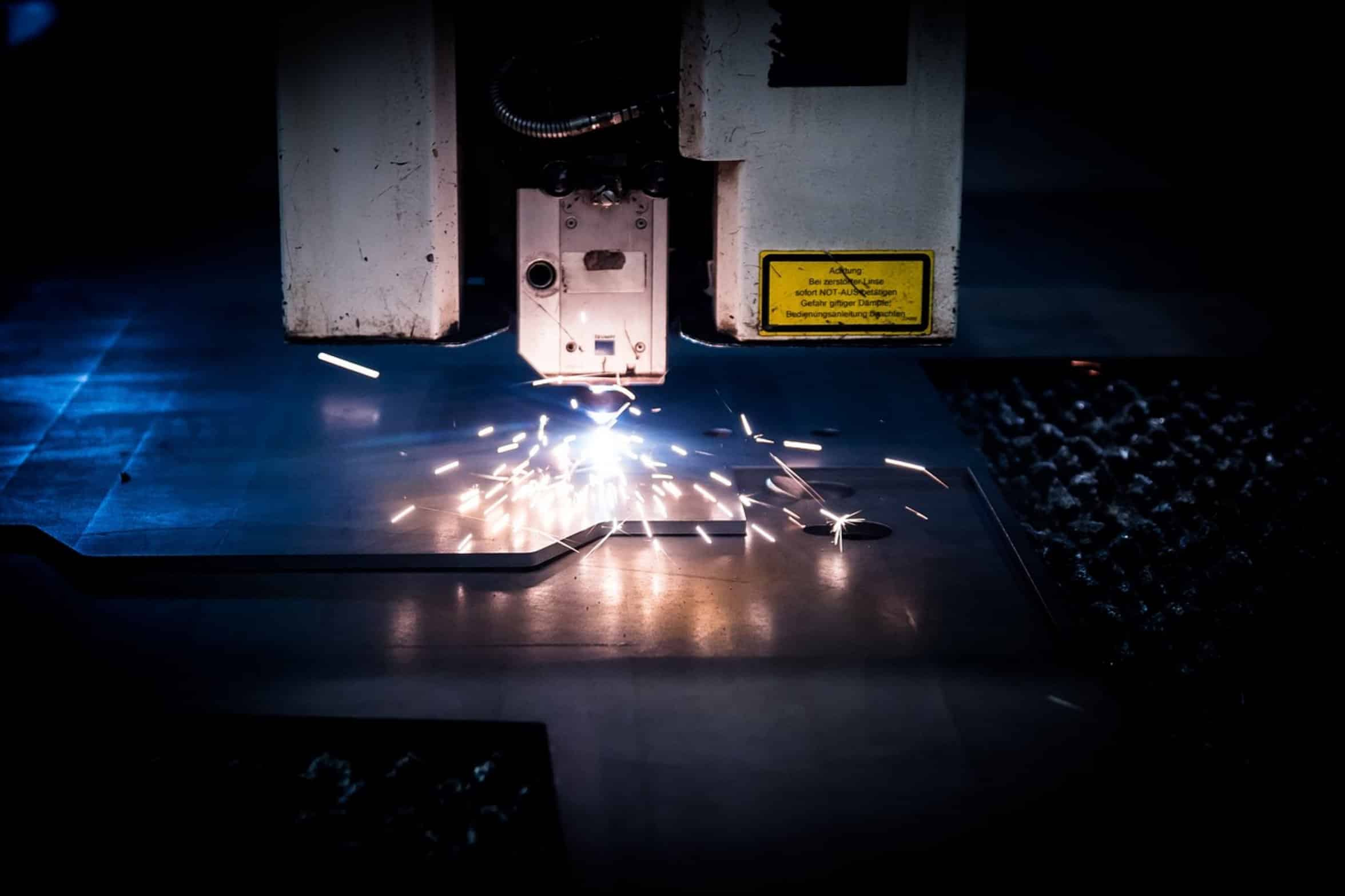
If your pump doesn’t produce enough CFM, your tank will run out before it gets refilled. This result in lots of downtime. Compressor Efficiency The pump in a compressor can be very different from one technology or brand to another.
Understanding CFM and PSI Requirements
It can have a rating of 4.0 CFM or 2.5 CFM, depending on the pressure it is set to. Make sure you look at the CFM rating when it are set for what your plasma cutter runs at. It is usually about 70 to 100 PSI.
Then read the fine print on the nameplate of your compressor. Some say free air delivery, which doesn’t take into consideration the PSI required to operate your machine. The difference is that if a machine rates 8 CFM at zero PSI then at 90 PSI it may only have 3 CFM available.
Choosing Between Quiet and Portable Compressors
That breaks your workflow. Another consideration regarding everyday use is how noisy the compressor is. Early mornings and working on a jobsite with other people can be a challenge if your compressor sound like a motorcycle.
Older-style compressors (piston) runs around 90+ decibels. More recent technology has produced vortex compressors (Airman or Ingersoll Rand). These models uses a different system to remove the reciprocating piston.
While they tend to cost more initialy, this quieter running reduces fatigue when doing long cutting days. If you’re going to be transporting the compressor from place-to-place (shop to job site), portability becomes an issue. Hot dogs and pancake compressors is lightweight, easy to maneuver around and can roll into position.
Matching Duty Cycle to Your Workflow
But they usually do not have as long a continuous duty cycle for all-day heavy cutting. Stationary twin-tank compressors are heavier and harder to transport, but they has more reserve capacity and a quieter running setup. Where will the machine reside?
Invest in a bigger, more powerful model if you plan on keeping it in one corner. If you travel, focus on weight and get a tank size that accommodates your vehicle. Last, think about the motor’s duty cycle.
The duty cycle is a measure of the amount of time the motor can be on without overheating. Because plasma cutting demands constant airflow, a 50% duty cycle mean you’ll have to stop and let your compressor cool off every couple minutes. You want units with more ventilation/cooling fins or those made for continuous use.
Avoiding Air Starvation for Clean Cuts
Heavy-duty units from companies like Porter-Cable and Quincy is built to withstand heavier loads over longer periods as opposed to generic store brand compressors. A professional result comes from matching your cutter to your compressor, so you don’t get frustrated. Look on the data plate for your particular torch model’s CFM requirement.
Next look for a compressor with more CFM than this at the needed pressure. Better to have too much air then not enough. You will fight air starvation if you do not.
A good compressor makes a frustrating hobby into a productive craft.