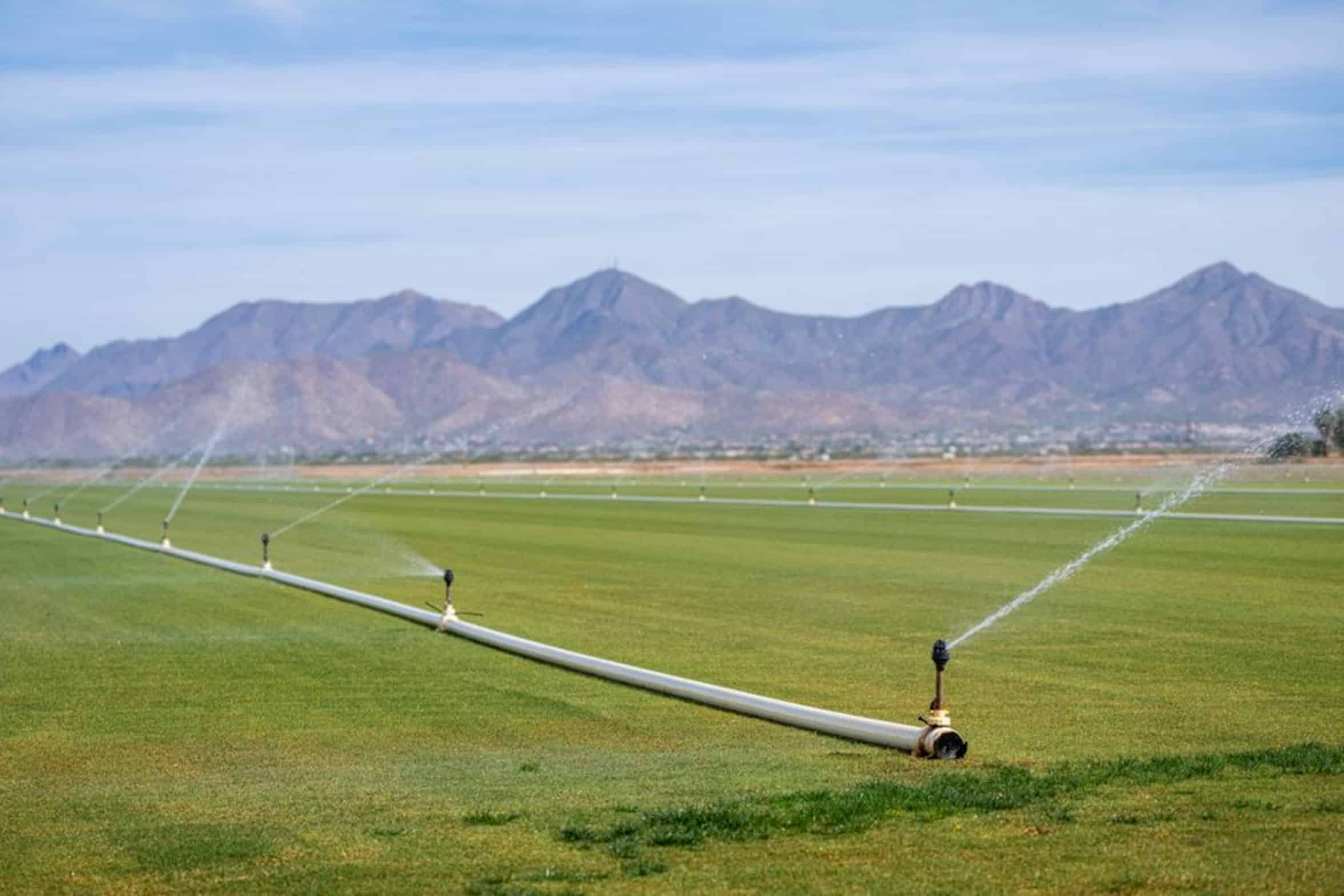
But what is the time of year that wreaks havoc on most irrigation systems? It is winter. As temperatures plummet, water in the lines expand and turns your carefully laid network into a collection of shattered PVC and busted valves.
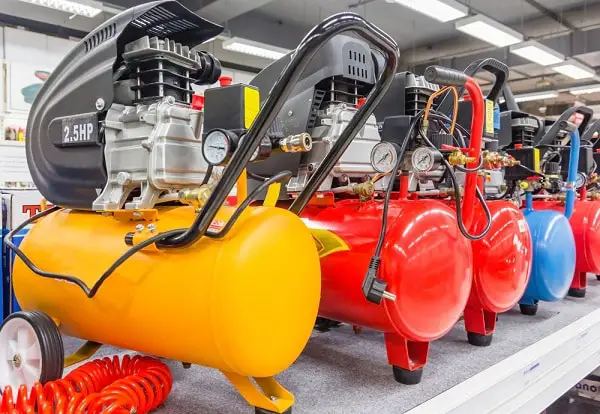
Manually draining system never goes as planned: Air pockets gets caught; low spots aren’t drained with gravity; and even small amounts of water are enough to do serious damage. That’s why blowing out your landscape irrigation systems with compressed air remain the best option for winterizing. Sounds easy enough, right?
You need to select the right adapter, hook up an air compressor and blow water out. However, lots of people fail to realize how important it is to choose the proper connection hardware. They’ll improvise by wrapping their adapters in pipe tape and hoping it work, or they’ll just use whatever hose fitting looks similar.
This typically result in leaks at connections, stripped threads or… Worst case scenario (an adapter that fails when pressurized). Avoid these pitfalls with these tips on exactly what you should of be using.
Essential Sprinkler Blowout Fittings You Need
Why Blowing Out Is the Best Winterization Method
The blowout adapter is what realy matters. The blowout adapter connect your air compressor hose to your irrigation mainline. Your test port or valve manifold have some kind of thread, which is what your adapter should match.
Standard NPT thread (or male quick-connect fittings) is typical for most residential systems. Check yours; if it’s a Hunter valve manifold, then you probably will want an adapter with a 3/4 inch female NPT on one end and a 3/8 inch male quick connect on the other. Why?
Choosing the Right Blowout Adapter
Because without the correct fit, there’s no way to seal the thing, so you can’t do a proper blowout. Compatibility isn’t the only thing to consider; also think about how well the material will hold connection. Avoid lightweight, low-cost plastic adapters; instead, look for heavy-duty aluminum or brass models.
A blowout can applies upward of 50 pounds per square inch of air pressure. That’s enough to crack weak plastic fittings and launch potentially lethal shrapnel into your valves. Quality brass won’t corrode and will remain secure during the whole winterization process.
Invest a little now to save your larger irrigation system later. The other critical component is regulator that connects to your air compressor. Never hook up your air compressor straight in your blowout adapter.
Using a Pressure Regulator for Safety
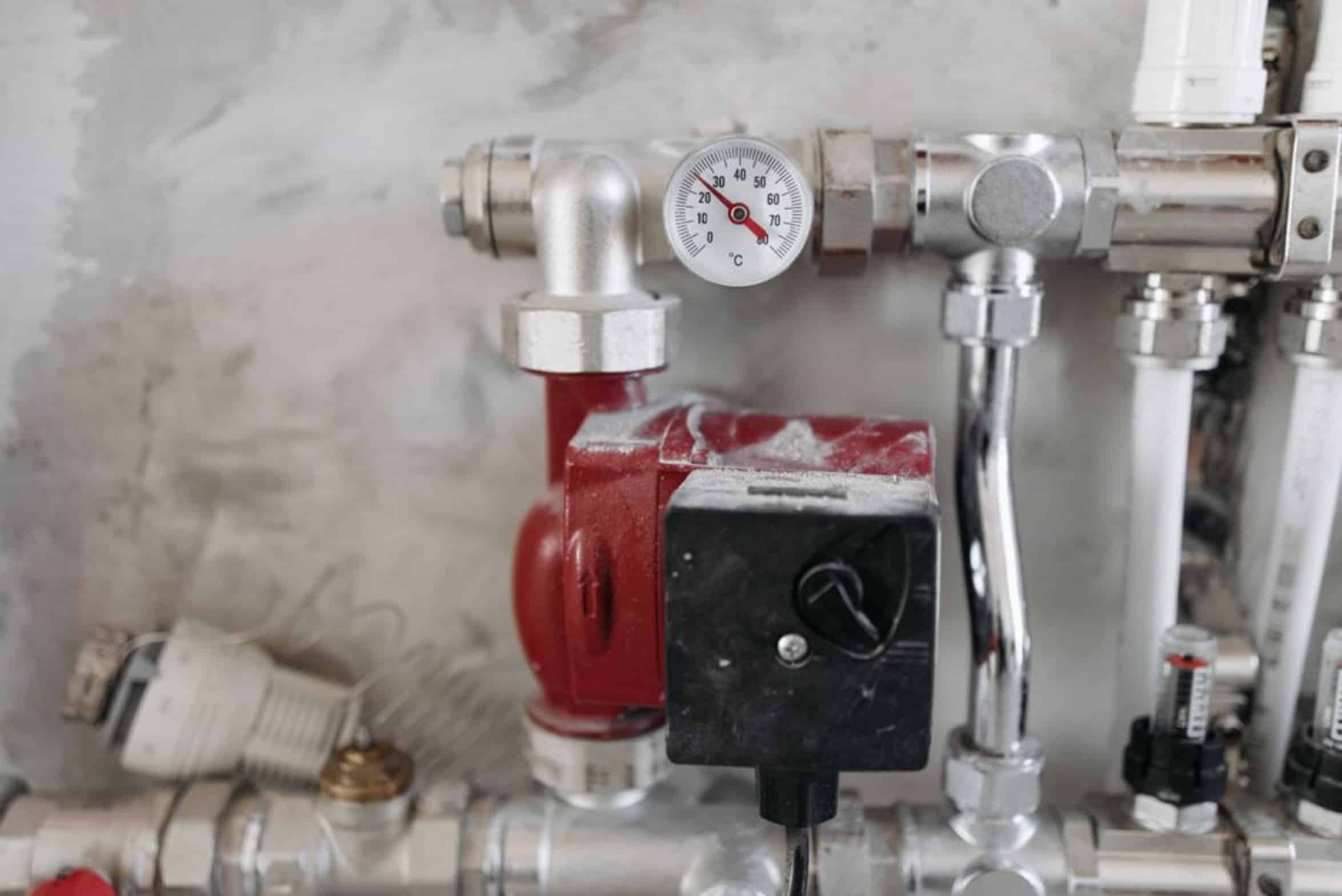
By using a regulator you can control how much pressure goes into the system. Too much pressure will damage the valve diaphragm and PVC pipe as well as cause leaks that may or may not manifest themselves till spring. Use your regulator to set it at a safe level typically in range of 50-80 PSI depending on what kind of system you are using.
Doing this enables you to get all the water out without getting any of your own blown out. Last but not least: Be sure your hose is adequate to make connection. The high pressure of blowouts will blow through regular garden hoses.
Selecting an Air-Rated Hose
Get an air-rated hose (labeled as such, sometimes with max-pressure cautions). Such hoses features reinforced fittings and thicker walls that is less likely to burst under pressure. Match it with a locking mechanism or clamp on the blowout adapter.
There is nothing non-negotiable here; safety requires a solid hookup. No leaks allowed… Especially at the hook-up spot where you want the air coming in, not escaping.
A few bucks of proper fittings now save hundreds in future plumbing work. It makes what can be a dangerous process manageable. When the spring thaw comes, all that effort will pay off.
Your system has been kept healthy and whole through the winter to get your yard green again. Frozen pipes is preventable. Do it right.