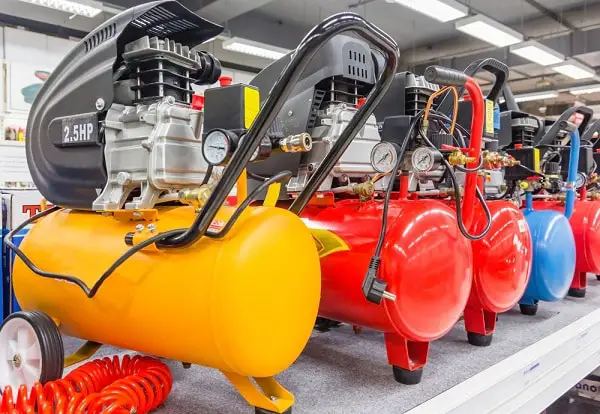
There’s something special about the feel of working with pneumatic tools, they impart raw torque without the whine of an electric tool. Professionals has depended on power of air for decades, and hearing compressed air hiss efficienty as it gets to work is a satisfying experience. There is one thing everyone tends to overlook in the link between the hand tool and the air compressor.
It’s the little guy that makes it all happen: the socket drive. When most folks think of pneumatic tools they tend to envision either the ratchet or maybe the impact wrench. Rarely do they consider grey socket that slides into them.
The grey socket is key piece where metal meets air power. Yes, those grey pneumatics are not painted that colour because it looks cool. They’re treated metallurgically for the particular strain that air driven fasteners put on them.
Knowing about the socket makes all the difference between using something you bought years ago, and breaking a tool when it goes snap under pressure. But knowing also means you can work safely in any setting where sparks or heat might be an issue. Here’s everything you need to know about selecting the correct socket for your shop.
And more importantly, what it’s made of, why it’s coloured as it is, and why it matters. And there was the color. These sockets are the most unique part about them.
Essential Guide to Grey Pneumatic Sockets
Understanding Pneumatic Sockets
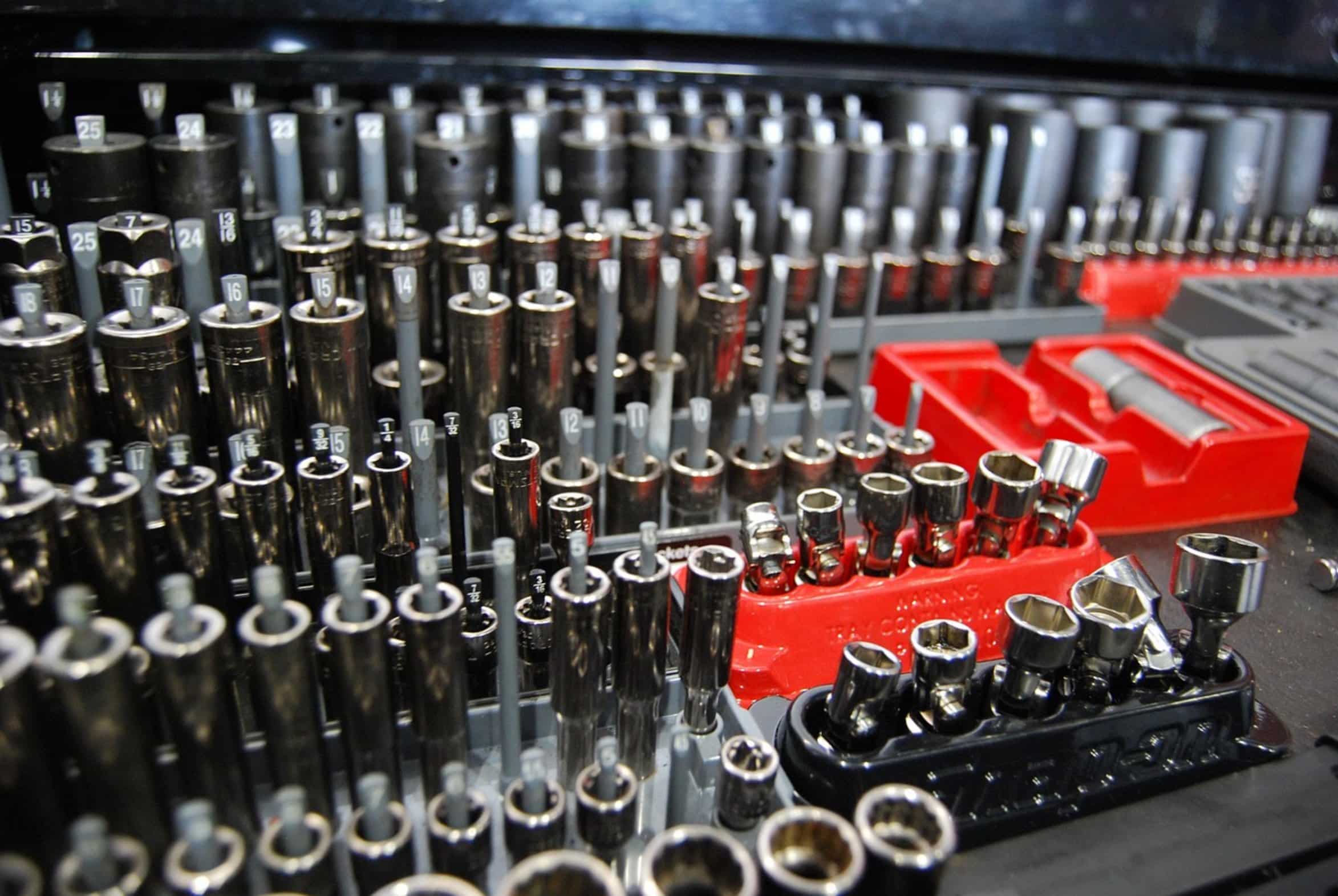
They have a grey finish. It is not because they’re painted gray. That’s a phosphate coating that’s baked on when the sockets are made.
Phosphate Coating and Lubrication
Why is this important? For one reason, it protects the socket from corrosion so you can still look like a pro if your garage gets too wet for comfort. And secondly, (and much more significantly) the phosphates form a supply of lubrication within its microscopic pores.
When the socket spin on a ratchet or wrench, some of the oil held there come to the surface to reduce friction between the socket and the drive mechanism. Translation: Less friction, better performance, longer life. Underneath all that gray coating lies generaly chrome-molybdenum steel.
Chrome Molybdenum Steel Strength
That’s a fancy name for a super strong and tough steel that’s perfect for impact applications. A standard socket made of chrome vanadium steel will be polished and shiny. However, when used with the instant shock of an air hammer, it become brittle.
It doesn’t flex and cracks or even shatters sending metal shards into your eyeballs. Adding the molybdenum alters the molecular structure of the steel so it doesn’t break but instead flexes just a bit under stress. That is what gives these sockets their grey color on air tools like impact wrenches and chrome colored sockets on hand ratchet tools.
You do not want that to happen on a power tool. The first reason these heavy duty sockets are favorites among industrial workers and mechanics is their durability. They can take thousands of impact cycle before they deform.
Durability and Stress Distribution
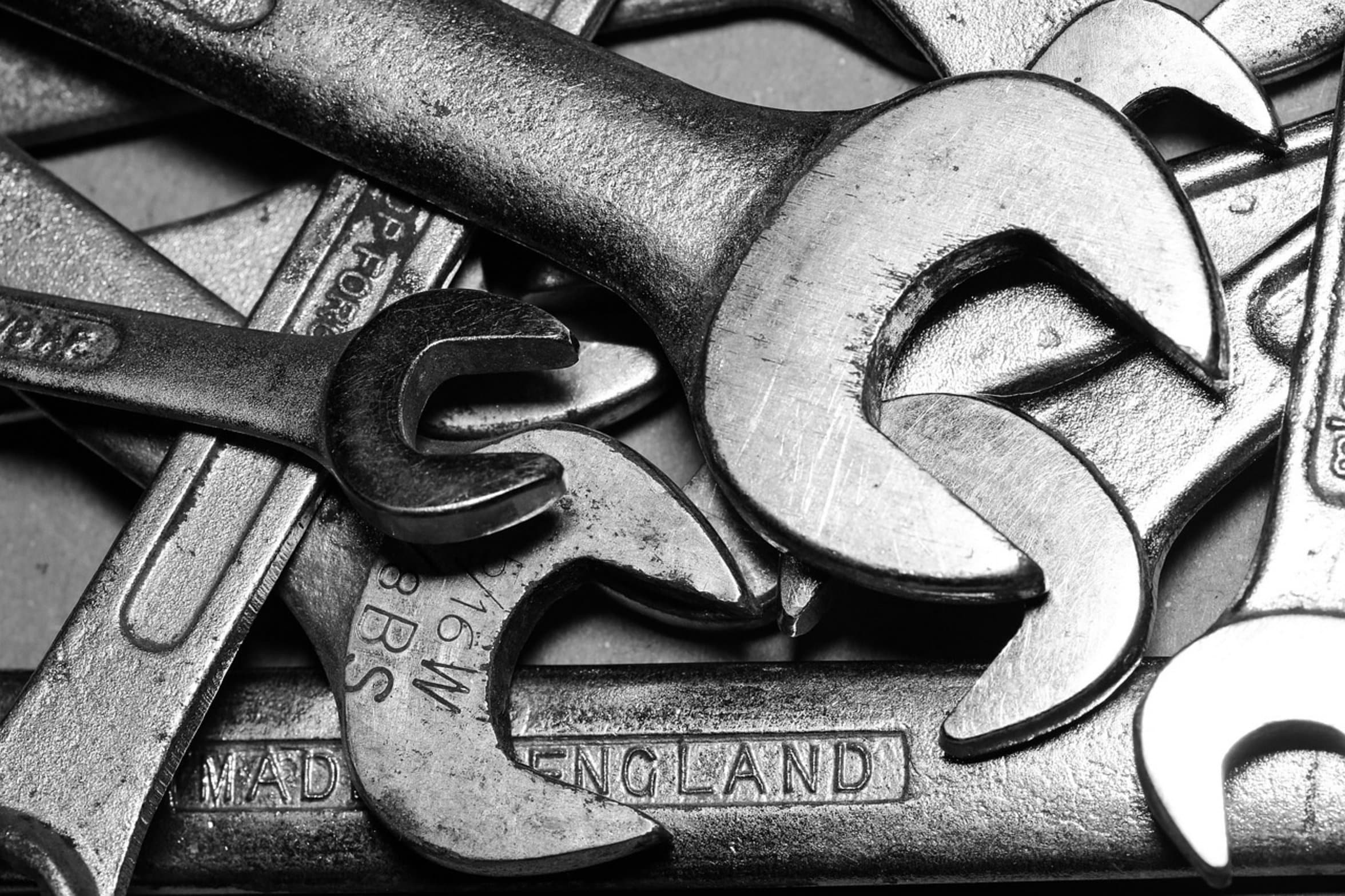
Because of the phosphate coating, the force of the impact is distributed more evenly throughout the walls of the socket. This avoids stress concentration points that cause the socket to fail. It’s one of those little engineering details that makes such a huge difference in how long a tool lasts.
Whether you’re tightening some structural bolts or pulling lug nuts off a semi-truck, you want to know your socket isn’t going to pop right when the pressure spikes. That grey finish is a signal that this was made to take that type of abuse. Safety is also a key part of the pneumatic socket design.
Safety and Spark Resistance
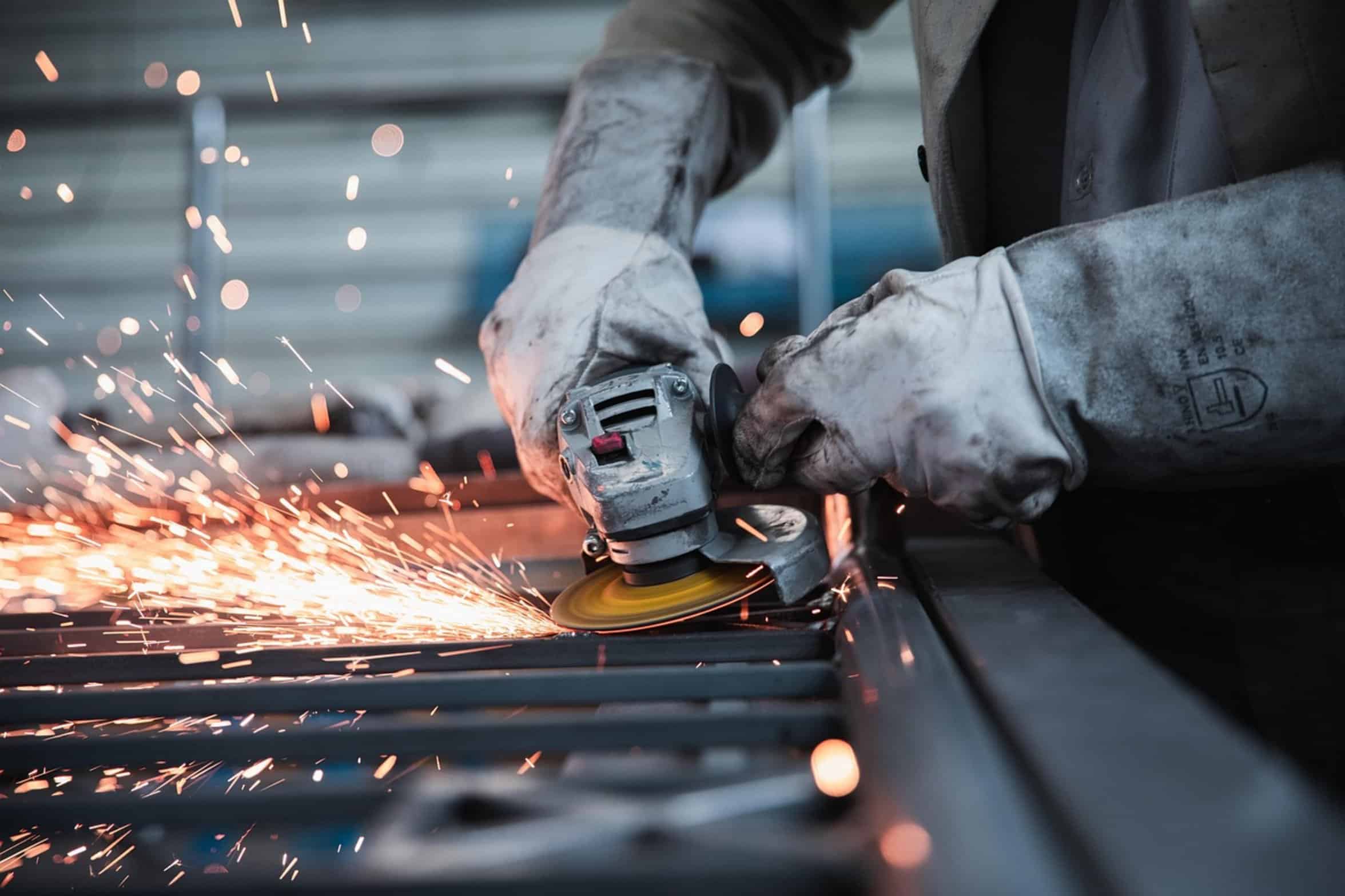
Without the glossy, reflective chrome surface, there’s less glare, particularly outside and in well-lit workshops. But more importantly, because it’s not as slick (pun intended), a harder object against the socket isn’t as prone to sparking from the phosphate coating. Even the smallest spark can be deadly in areas where dust or flammable vapors are present.
No tool is completely explosion proof, but the duller gray surface provides a degree of safety that polished chrome just doesn’t offer. It’s one of those subtle features that keeps conscientious users out of hot water. But always check your sockets for cracks before using them regardless of what they’re finished with.
Maintenance and Cleaning Tips
Maintain pneumatic sockets. Socket care is easy and essential. Even though they have a phosphate coating, you should keep them clean so that metal shavings and grit don’t wear down the drive square.
To prepare the tool for the following task just wipe it off quickly with a rag soaked in solvent after each use. The phosphate application is something they do on the factory line so no worries there. But I have found that a drop or two every now and again on the drive end will help keep that lubrication going inside.
This keeps it slick and moving smoothly so it won’t seize up on you. If neglected they will eventually show signs of wear but if taken care of, your investment would of lasted much longer. When selecting sockets, consider both the application and the drive size.
Selecting the Right Drive Size
Drives come in common sizes between a quarter-inch for light use and an inch for really heavy industrial applications. For pneumatic tools, there’s grey socket of each size so that the interface is always strong. Avoid mixing hand sockets with impact sockets where possible.
They have differing tolerances and driving an impact socket on a small hand ratchet will strip the drive. Likewise, running a hand socket on an impact wrench is asking for trouble. Use the grey sockets for your air tools and save the shiny ones for when accuracy is key.
The bottom line is that this is one more example of a product where functional design won out over flashiness. A grey air socket traded the shiny appearance of chrome for the rugged durability of safety and strength. It’s a simple hunk of steel.
It has to take the pounding of all that mechanical might. The next time you grab your air impact wrench you trust it’s holding up. That grey socket makes sure you have confidence in what you’re doing.
It becomes an informed choice when changing tools. And there’s nothing more important than knowing about the steel and the coating that makes that finish so durable.