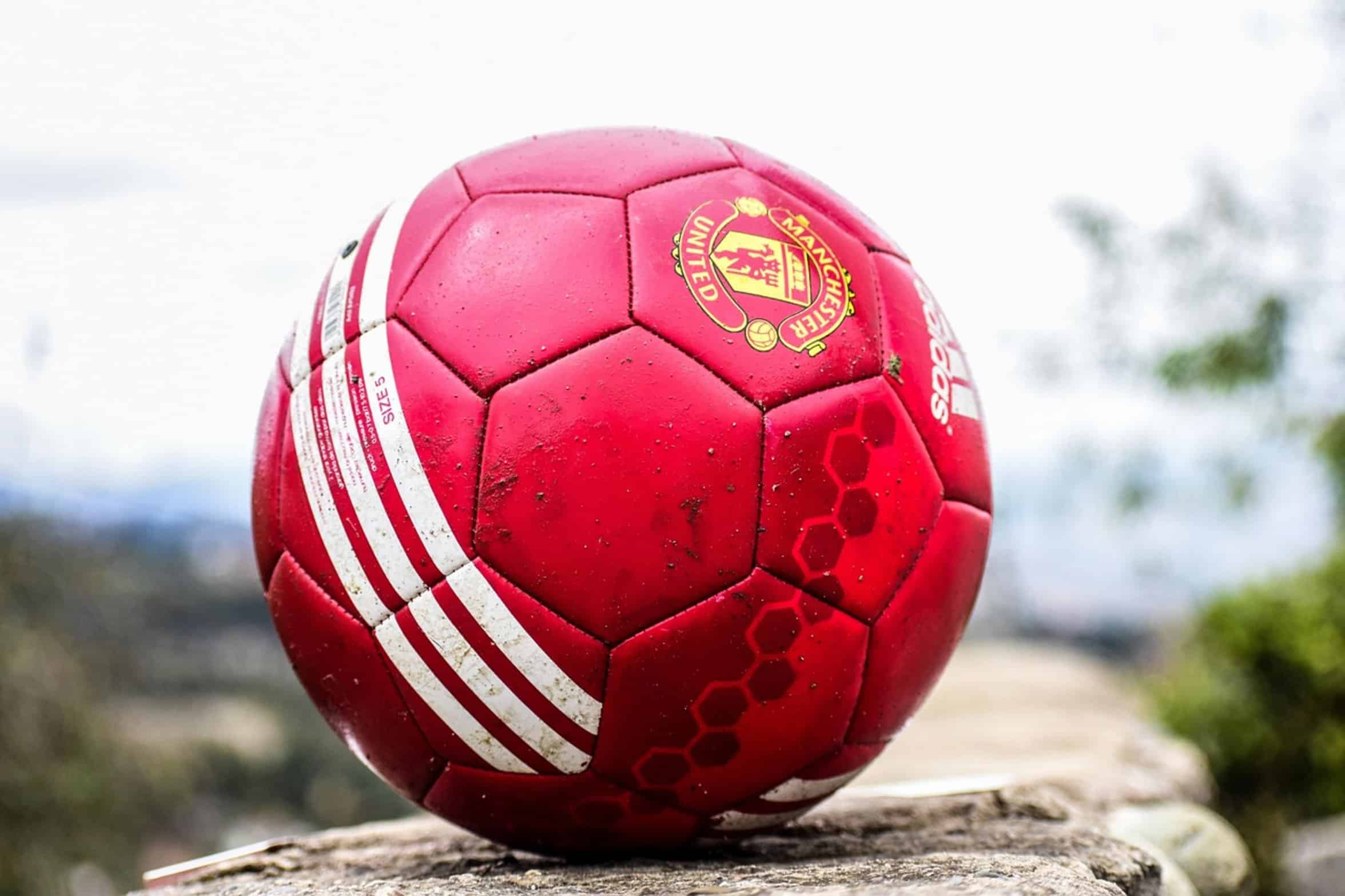
Parents and other athletes will know this feeling: It’s game time and your kid soccer ball has gone flat. As you pump frantically on the sidelines, your teammates waits with a mix of annoyance and resignation. They’ve seen it all before.
But it’s not just sporting equipment; the next thing you know, you’re dragging an empty, floppy inflatable raft to the pool. In the backyard, the consequences aren’t as dire but the aggravation is identical. It’s clear: Air wants out.
How do you keep it in? It is not through brute force alone of course, but through skill. Inflation is a brute force action for most folks.
Safe Tips for Inflating Sports Balls and Toys
Understanding Material Differences
Pick up that pump, give it a shove till your arm hurt or the needle closes. That’s bad ’cause you’re ignoring the nature of the materials you’re working with. Vinyl skins vs. It is about vinyl skins versus rubber bladders.
It is about keeping air evenly distributed so a basketball will bounce true, or having enough volume in a floatie to hold your weight without blowing out the seams. Sometimes it isn’t about strength, but patience that make the difference. If you know how air behaves around those materials, what would of been a chore becomes a controlled process.
Your equipment lasts longer and you save time. Not all pumps are the same. When it comes to choosing a pump, more goes into that decision than you’d imagine.
Choosing the Right Pump
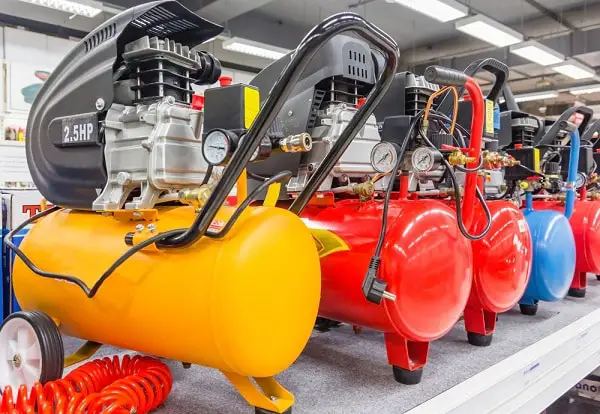
If you’re just inflating small thing like balls, most regular hand pump work fine as long as you have a dual head one. Big stuff need something bigger. Portable means a hand pump.
Tedious. Speedy means an electric air compressor. But those can be easy to overinflate unless you’re paying attention on the gauge.
The best compromise? A foot pump use your own body weight to provide even pumping without the fear of burning out an electric motor. Small balls will probably get by with a basic hand pump and a dual head adaptor.
Multiple balls/larger pool toy would benefit from an electric inflator made for this purpose. The trick is matching the task to the tool. Don’t try to use a high-pressure tire inflator on your precious blow-up duck.
Match the strength of the material to the amount of pressure. Every inflation story has one common weak link: valves. Needle valves like on soccer balls and basketballs aren’t easy to work with.
Preventing Valve Damage
The needle needs to go in straight and stay in place as air fill the ball. If the needle isn’t steady or goes in at an angle, it can rip the valve stem from the inner tube or even damage the tube itself. Pinched valves or screw down valves used for pool toys are a little more forgiving but they’re prone to leakage if not seated properly.
Before you pump up the toy, always make sure the valve is wide open. If it’s halfway open, it creates a clog which result in uneven filling and possible blowouts. That’s why most leaks happen.
Just spend a second ensuring the valve seat is sealed before inflating. Pump it up, Know your pressure gauge. A lot of folks don’t think much about it.
Reading Pressure Gauges
Each ball has a suggested PSI. Usually it’s written out somewhere in the rule book or right on the ball itself. Going beyond this won’t make the ball go any faster.
Going beyond this will make the ball less forgiving and harder. It will also be more likely to fail when stressed. With pool toys, how they look is more important than the specific PSI.
Look for something taut but still has give. Are the seams starting to strain? Is the material stretched so thin you can see through it?
Stop. The single biggest reason for sudden bursts comes from overinflation. Air expands with heat.
So a ball you fill in the coolness of your garage full to capacity may pop in the sun. Leave some space for expanding air. Inflation success also has an interesting relationship with temperature.
Temperature Effects on Air
In general, air expands as it warms. A ball may seem very firm when sitting in your cold locker room and then seems really soft once you get to a hot field. That’s because colder air is more dense.
Inside a ball, increased air pressure come from increased air density (i.e., heating). For this reason, don’t store inflated things in extreme temps. Deflated toys left in a hot trunk during a heat wave will weaken from the inside out.
When possible, keep sports balls at room temp. Before game time, if you have to play in the heat, double-check the pressure and adjust slightly for the conditions. Gas laws are unforgiving, but they’re predictably so.
Inflation is just the beginning of maintenance. Weekly checks are good practice, particularly in the season you use them a lot. Soapy water will reveal small leaks, which aren’t audible, but easily spotted.
Maintenance and Leak Detection
Just apply some dish soap to the seams and around the valve. Any places with air escaping will bubble up. Letting pool toys dry thoroughy between uses prevents any moisture that can encourage mold and break down the vinyl over time.
If you get hard water, a bit of vinegar goes a long way to remove any mineral build-up. It may sound like no big deal, but it keeps them from wearing out so you don’t have to run out for new ones. Take better care = less running back and forth to buy.
There’s more to inflation than blowing up a bunch of air into an empty space. It means respecting the limits of your materials. And that applies whether you’re getting ready for a backyard splash party or a championship game.
Watch the pressure, use the right tool and consider the environment. The result is that gear lasts longer and performs better. You won’t have to panic over a flat ball.
Enjoy the float, don’t fight it. It is worth the extra minute.