That annoying squeal sounds just like it always does, someone’s starting to clean something. Maybe it’s a bicycle chain and there’s some gunk on it; maybe it’s a keyboard covered in dust and you’re about to get to work. And you know what?
There’s probably a dented aluminum can sitting in your drawer, and you know how to use it to make a problem dissapears. The tab gets ripped the air comes out in a blurt, and then poof: it’s gone. But at what cost?
Smart Alternatives To Save Money On Air
The Hidden Costs of Compressed Air Cans

Compressed air is mainly empty space surrounded by an expensive package. You’re shelling out for propellant and the pressure, rather than the air itself. Those little cans adds up big bucks each year.
Think of it like buying bottled water when you have a tap in your house. There must be a better way to do this without filling up your recycling bin or spending to much money. First of all recognize you don’t need a lot of air in most situations around the house.
Using a Handheld Bulb Blower
For things like cameras and electronic, nothing beats a handheld bulb blower… They’re inexpensive, quiet and you’ll never be without air. All you do is give it a squeeze and burst of air comes out to knock off the dust.
It’s not quite as fast than a canister vac, but you can use it an unlimited number of times. It is a low-tech solution for high-cost problem.
Electric Air Dusters for Continuous Flow
For those who find a bulb blower isn’t enough, consider using an electric air duster.
These days many company make them. IOttie makes one, and there are plenty of generic ones available on Amazon that plug into USB. These dusters emit a continuous flow of air from a tiny fan.
It’s not as strong as pressurized canister, but you don’t have to guess if you are about to run dry which can be nice. You will need to keep it plugged in, but the upfront cost will pay off over time.
Benefits of Small Air Compressors
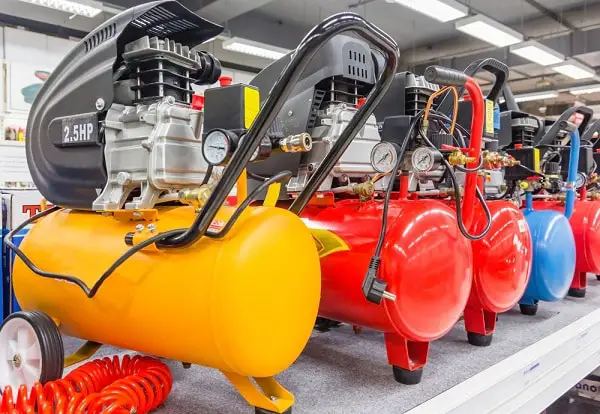
If you’re a serious DIYer, nothing beats a little air compressor.
Small piston compressors (even some battery powered portable unit) don’t need a giant tank and hook into standard air nozzles for real pressure. It’ll pay for itself in months, and it’s like having the pro move, you can use it to clean out your dust, blow off those leaves, and of course, inflate tires. Yes, it costs more upfront but cost-per-use comes down to practically free.
Reversing a Shop Vac for Blowing
A second thing folks tend to forget about is running their shop vac backwards. If your vacuum cleaner has a blower port (most do), simply remove the hose from the suction end and plug it into the blower port. Voila!
Your cleaning appliance is now an air source. It is not as focused as a nozzle, but it blow a bunch of air and makes quick work of blowing leaves around the yard or even removing gutter debris. This turns a liability in to an asset.
Why Refilling Air Cans Is Dangerous
I’ve seen folks attempt to fill up their old cans using an air compressor, but that’s a bad idea as well. The valves and other materials inside of those cans aren’t intended to be used repeatedly; they’re made for single-use only. If you attempt to cram air into the can, you could end up with leaks and worse, definitely not worth the risk.
Safety trumps a few bucks off a plastic bottle, so stick with products intended for reuse.
Matching Tools to Jobs for Efficiency
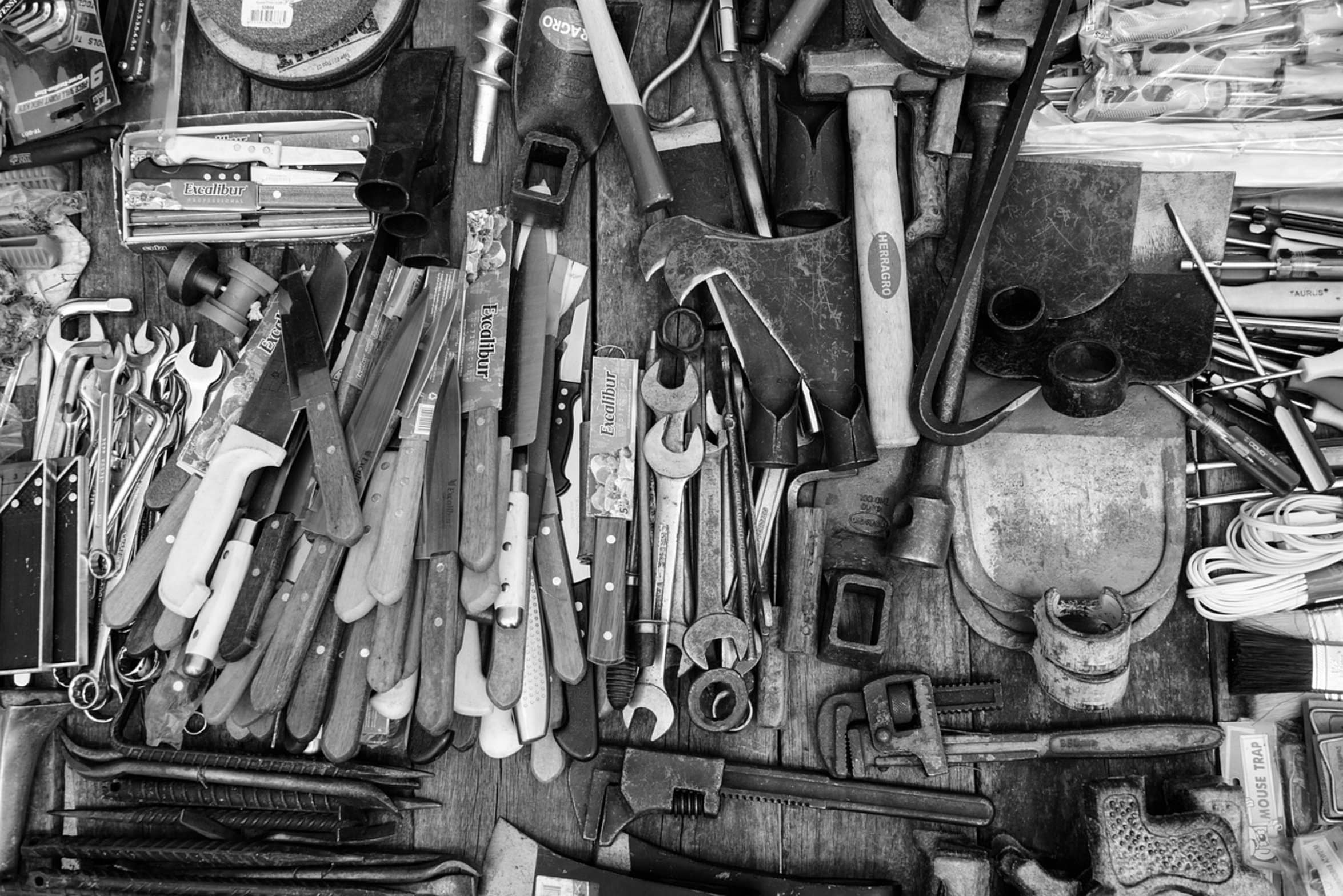
You should of looked at it this way. And that’s the deal; match the job with the tool.
A bulb blower is all you need to clean a keyboard, but does anyone actualy use one? Inflating a tire doesn’t require a bulb blower, etcetera. Own the tools for what you’ll need and know how to get things done.
That’s efficiency. Save time and money doing this. Your wallet will thank you as you stop paying for things you don’t use and start owning the tool you can actualy control.