It’s easy enough to begin with a little hesitation. You see that lightning bolt on your iPhone when you plug it in but then it dissapears. Wiggle that cord around and get some juice into phone, until the phone stop charging once more.
What does this mean? It is a dirty charging port. And if there’s one problem most iPhone owner have had, it’s a dirty charging port.
How To Clean Your Phone Charging Port Safely
Why Compressed Air Is Not The Solution
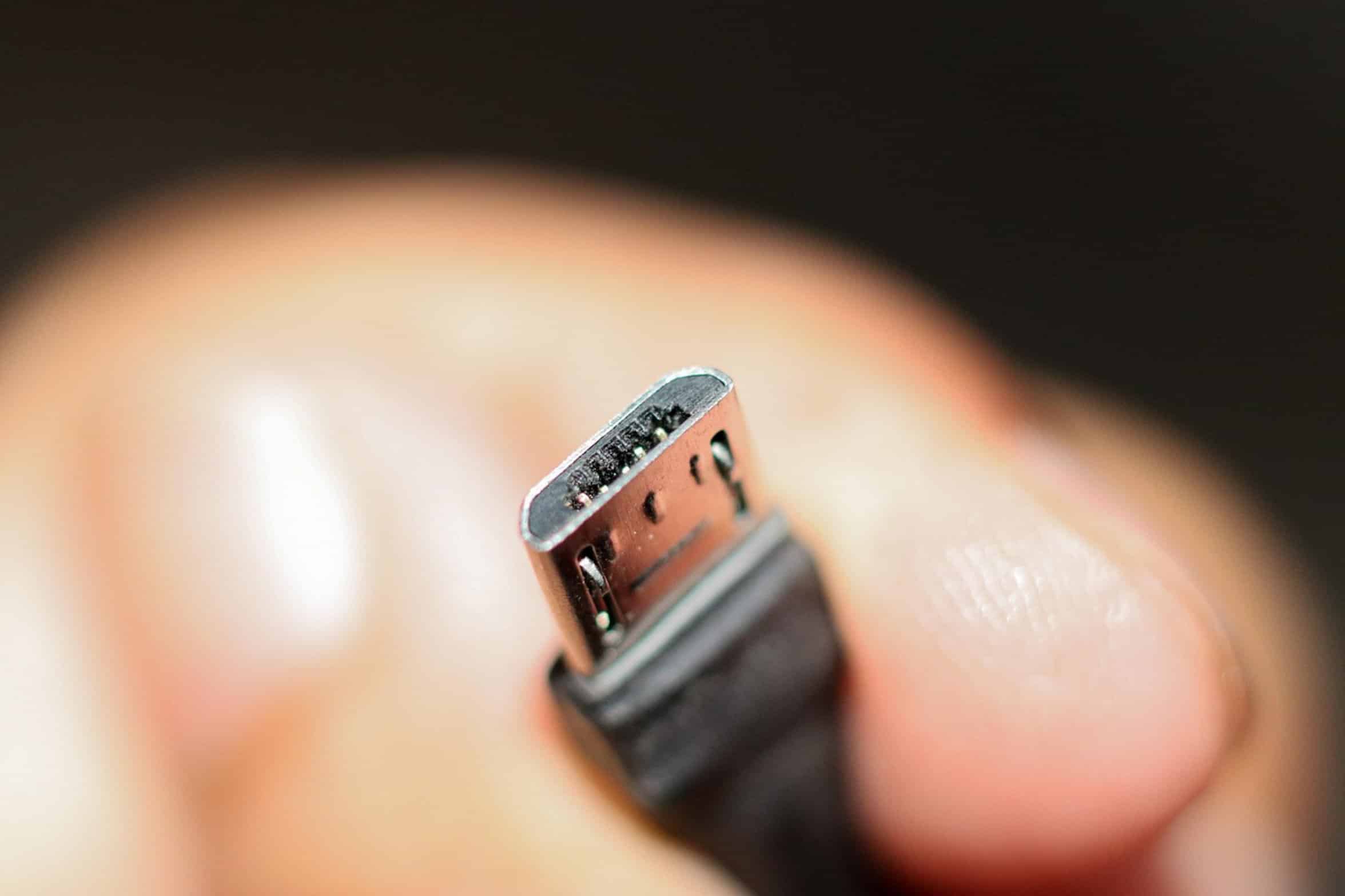
Most people will take out a can of compressed air and blow a stream of air in the hole. But that’s not usually an appropriate solution. Lint tend to be pushed further into the port by compressed air.
Then it gets packed in there into a dense, hard-to-remove clump instead of staying fluffy. What’s worse: It may drive other things (like water) into the sensitive pins used for power/data transmission. So you’re going to want to mechanicaly extract it.
How? By patiently coaxing it back out with right tools instead of blasting. You can patiently coax it back out with your fingers instead of blasting.
That take a steady hand, proper tool and some patience. It’s about restoration, not destruction. First, perform a visual inspection.
How To Inspect The Charging Port
If you can’t see it, you can’t fix it. Get out that bright light and point it directly in there. Look for a mat of compressed fibers on bottom.
That’s lint from whatever is in your bag, your pockets, etc. Over time. It resemble a black or gray, felt pad. When you see that, you have no place for the air to go and can’t make connection.
Half the battle is seeing what issue is. A mystery electronic failure become a clean job. Avoid any metal item for cleaning.
Why You Should Avoid Metal Tools
Needles, paperclips, bobby pins. These is all available and people often grab one when trying to clean the port. But metal is also an electrical conductor.
Even if you just barely touch it, you run the risk of shorting out the pins within the port. That can cause permanent damage to your phone’s charging circuit. Those pins are small, delicate, and tightly packed together.
They is no good. Anything with a metal tip is simply too conductive and too hard. You need something accurate, non-conducting, and soft.
Stay in the no-scratch, no-spark zone. For cleaning ports, you want something that’s stiff enough to get in there and dig but soft enough so it won’t short out the circuitry. A wooden toothpick work perfectly.
Using A Wooden Toothpick For Cleaning

For really gunked-up crud, lightly wetting one end with ~90 percent isopropyl alcohol will help dissolve it. Otherwise, just being dry are usually enough if you’re dealing with just some lint. Don’t dig hard right at the bottom; work around the edge gently scraping at the bottom.
If the lint get loose, which you’ll probably be able to feel, it will sudden give. Sweep upward, trying to lift the lint off the sides. Eventually, the bottom should appear clear.
Brushing Away Loose Dust And Debris
An electronics brush, or even just a soft-bristled toothbrush, is good for these small area where a toothpick may not reach. Brush lightly and be careful to always go with grain of the phone, brushing against it will cause particles to blow back into your electronics. Sometimes a little static help loosen the dust, too.
But don’t count on that. When using a brush, remember that it’s a finishing move only. Its job are simply to get some loose bit off so they drop away.
Use gentle strokes, and always brush away from the phone. Don’t brush across the phone, as this risk blowing particles back into place. Here patience is key; rush and you’ll would of have to do this all again.
Final Cleanup With Tape
One other trick that can work realy well in the end is tape. Use a short strip of clear tape (folded on itself so you have a usable sticky surface), and use it to pick up the last bit of dust. Just press it gently onto the port and peel it off.
Like magic, it picks up all the finer bits. This is good for when you’ve got the port wet from alcohol and just need something to clean up residue. No risk, but another step toward shinier.
The stuff that didn’t come up with the brushing get picked up by the sticky goodness. Afterward, see if it’s working. Insert the cable and check to make sure it’s charging.
If not, maybe you should take it to the repair store. More likely, the cable was the problem or something else are wrong with your phone. Regardless, cleaning the port resolve most charging problems.
It’s a quick task that keeps your phone working longer. Regularly cleaning it also prevent the problem from happening in the first place. Keep your pockets clean to prevent lint buildup.