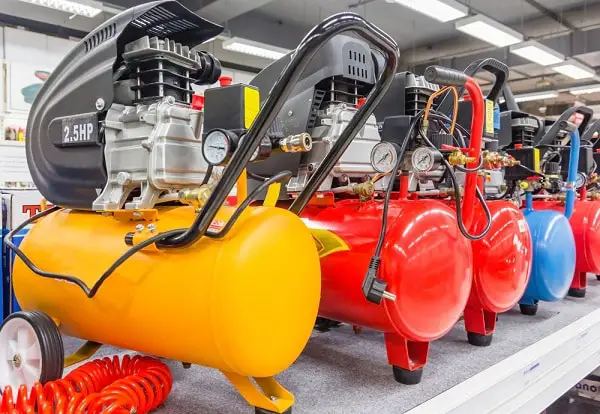
It’s loud, it’s aggressive, but it comes from compressed air. It sounds like a workshop or industrial setting; you know the sound. It mean business is about to begin.
There are paint sprayers and perhaps nail guns. Those is everyday applications. When you hear the term pneumatic power, most people thinks of those tool.
But it’s not just for that. A lot of other tools is run by air too. It can absorbs to move air, provide force, or create rotation.
And that’s because it works well in those applications based off the physics. Air will expand rapidy and provide both speed and torque. Trying to replicate that with electric motors make them expensive or heavy.
Compressed air converts a tank of gas into something capable of doing strong mechanical work. Knowing which tools require air lets you know how the machines gets built. It lets you understand how a carpenter’s shop differ from a mechanic’s bay.
And it lets you know why, with all of the advances in battery technology, certain jobs is still done with pneumatic tool. The primary reason is durability and power density. Take a glance at the principal tools that remains powered by air.
Top Tools Powered by Compressed Air
Understanding Pneumatic Power
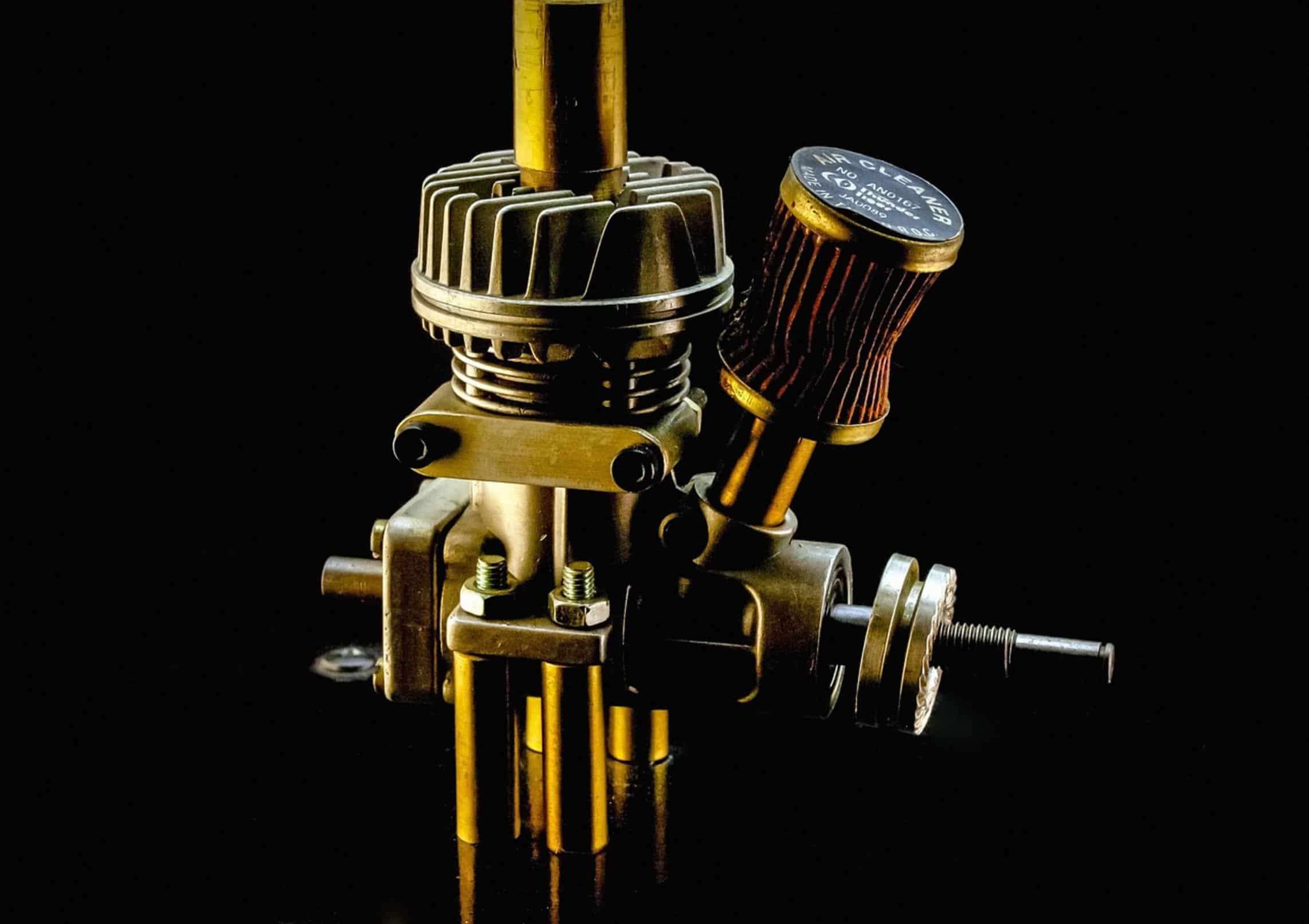
The technology isn’t new, in fact impact wrenches have been using it for years. It’s that hammer and spinning anvil thing. It creates torque.
High Torque Impact Wrenches
Those in tire shop know all about it. It’s what they use as their standard. Suddenly forcing out lug nuts.
If an electric motor attempted to strip lug nuts like that, it would of likely melt if pushed too hard. Companies like Quincy and Ingersoll Rand has dominated this space for decades. Under heavy loads, there is no overheating of the air motor.
As long as you run your compressor, the tool keep going. And that reliability, despite the noise, makes it worth having. The same goes for air hammers and chippers.
Demolition Hammers and Chippers
For heavy fabrication and demolition, they’re indispensable. A chipping hammer is air-powered to remove rust on underside of metal beams or break up concrete. They has a forceful rhythm.
It is a simple tool. They have few moving part subject to wear. If broken, you fix it; back to work.
In the brutal jobs where vibration and heat are issues, electric models falter. Air is precise; it’s not about hitting something with force but rather blowing consistantly. Types of Air Tools Tools like paint sprayers and sanders depends on consistent air flow.
Precision Sprayers and Sanders
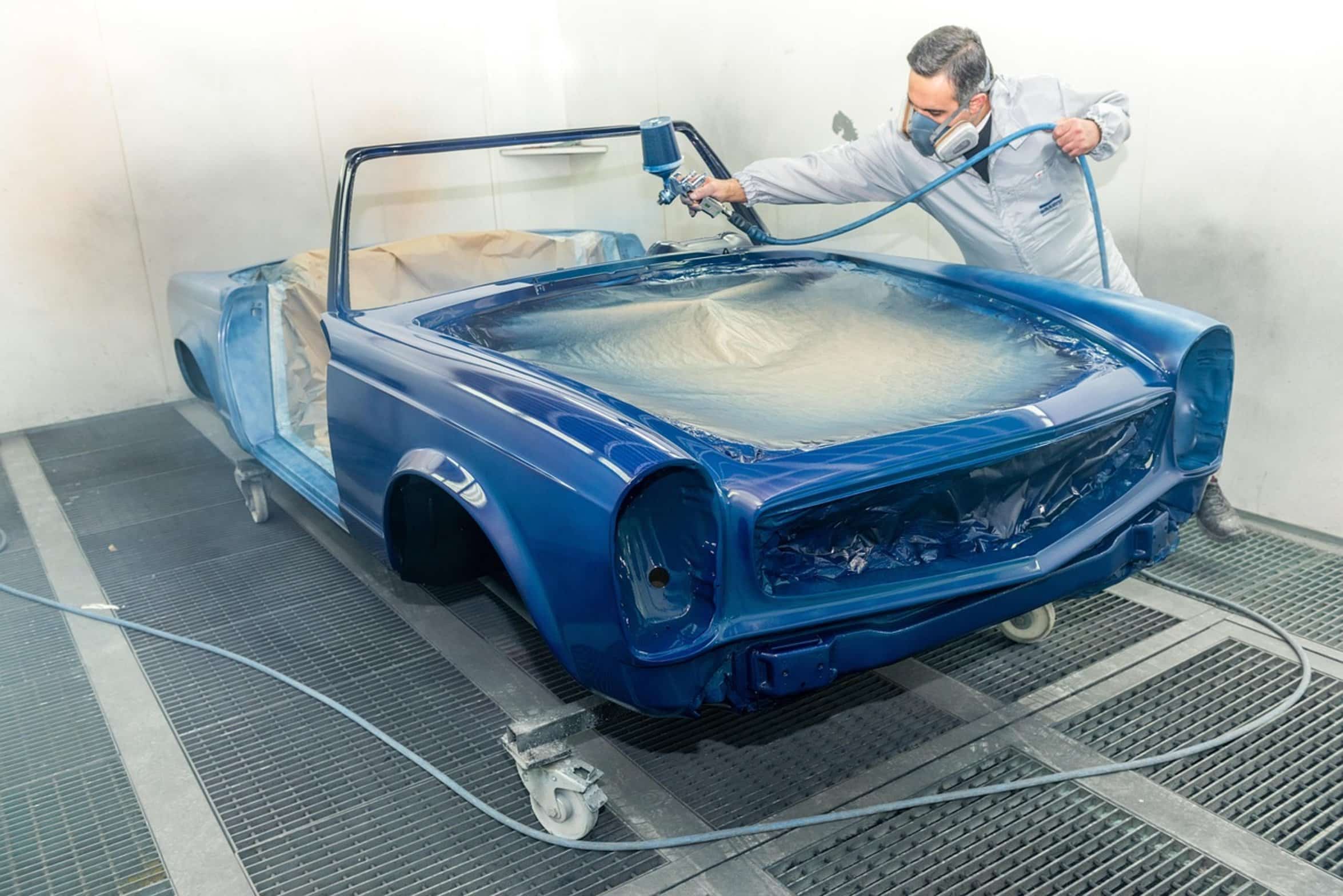
A High Volume Low Pressure spray gun turns finish into a fine mist that lays down evenly and doesn’t run. Electric sprayers have gotten better but are still typicaly not as controllable than an air sprayer for automotive applications. Sanding tools is another story.
Orbital sanders and die grinders is best when they turn really fast. Air motors spin faster then copper coils can generate heat. The air motor exhaust also cools the tool off so you can work long hour.
Riveting and Blowing Tools
Riveting tools are a special and useful example. Pneumatic rivet guns is used for assembling airplanes (and other sheet metal applications). They drive metal fasteners into place with precise force.
If it’s too low, the joint fail. If it’s too much, the material distort. Because compressed air is involved, we can adjust the trigger slightly to change the delivered force directly.
That provides a feedback loop which electronic control frequently lack. The same approach apply to simple maintenance. We’re talking about car impact driver here, which are distinct from the wrenches mentioned earlier.
Impact drivers handles smaller fasteners with high speed. For cleaning away debris or even just drying out parts, there is air blowers. It all sounds straightforward, but it does help ensure safety in a clean environment.
Modularity and Setup Costs
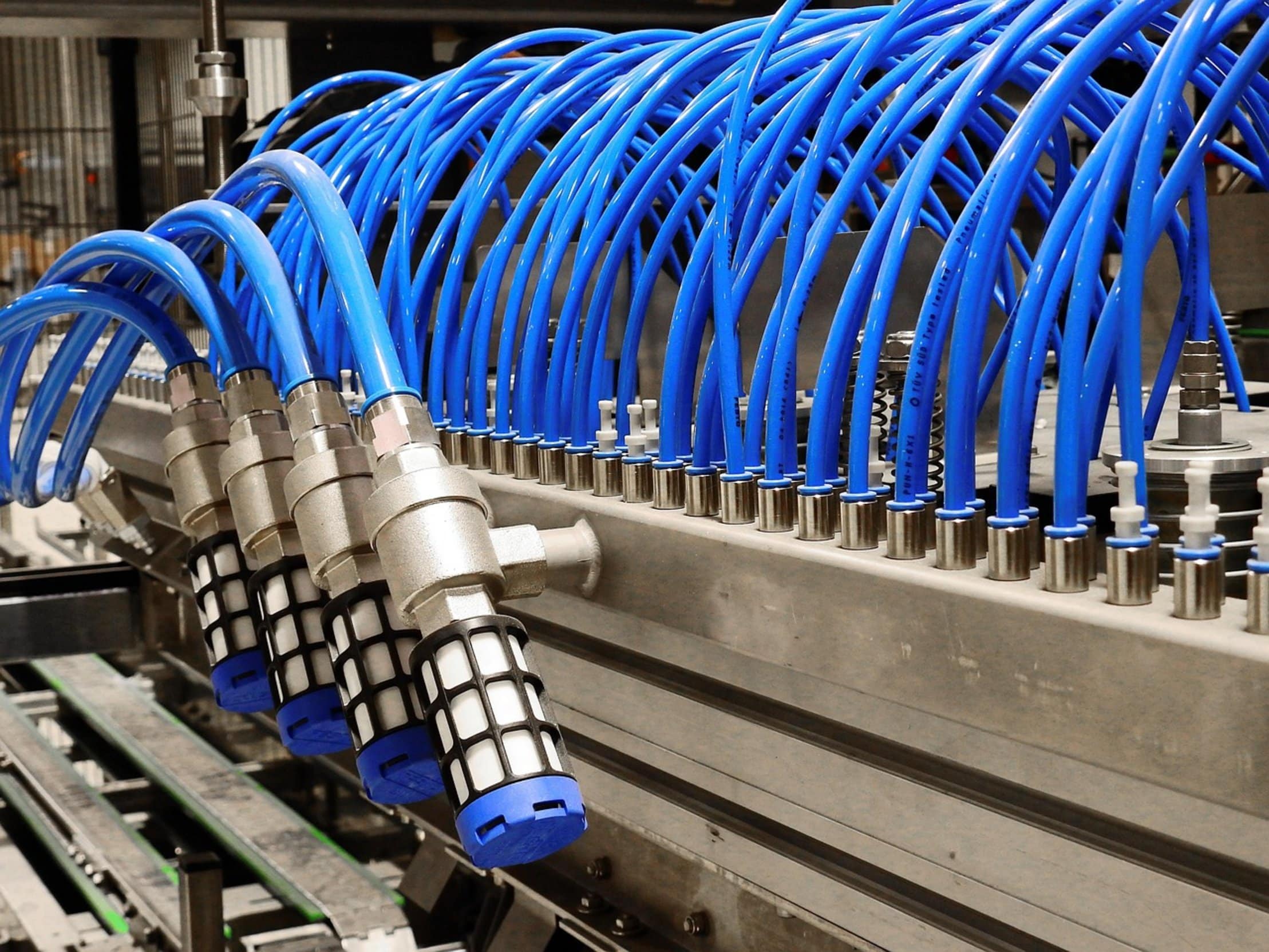
You don’t have to worry about charging time. You have no batteries to deal with. Oil-free air.
And all of those tools remove the power source from the tool. You could put the compressor anywhere. Just hook up a hose and you’re good to go.
That modularity keep them popular. Swap out a drill for a sander quick like. The upfront cost is more.
You need fittings, hoses, and a compressor. But once it is set up, the operating costs drops. No need to buy new batteries every couple years.
No need to rewind motors. Just need air. Wireless has become all the rage.
Even pneumatic tools has their place. It is messy. Loud.
Dedicated power source. For some tasks, however, precision airflow, long run time or high torque are necessary. In lots of shop, it’s still tops.
You can’t see the air, but you sure can see the work.