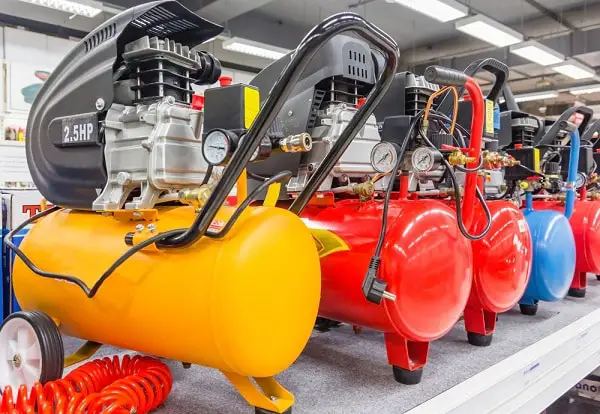
Pneumatic tools is precision instruments; they are not invincible machines. They have tight tolerances with spinning parts, seals and other thing that need special care. Failure to provide that care result in costly repairs such as stripped gears and seized cylinders.
Because the oil does its work invisibly within the cylinder, we often ignore the problem until something breaks. Oil prevents friction; you don’t see it, but it is there. Failing to lubricate the tool will shorten its lifespan.
You can extend a tool’s lifespan by providing proper care. This means knowing when to refill it and what type of oil to use. Avoid using generic motor oils for oil selection.
Air Tool Oil Usage Guide
Why Pneumatic Tools Need Special Care
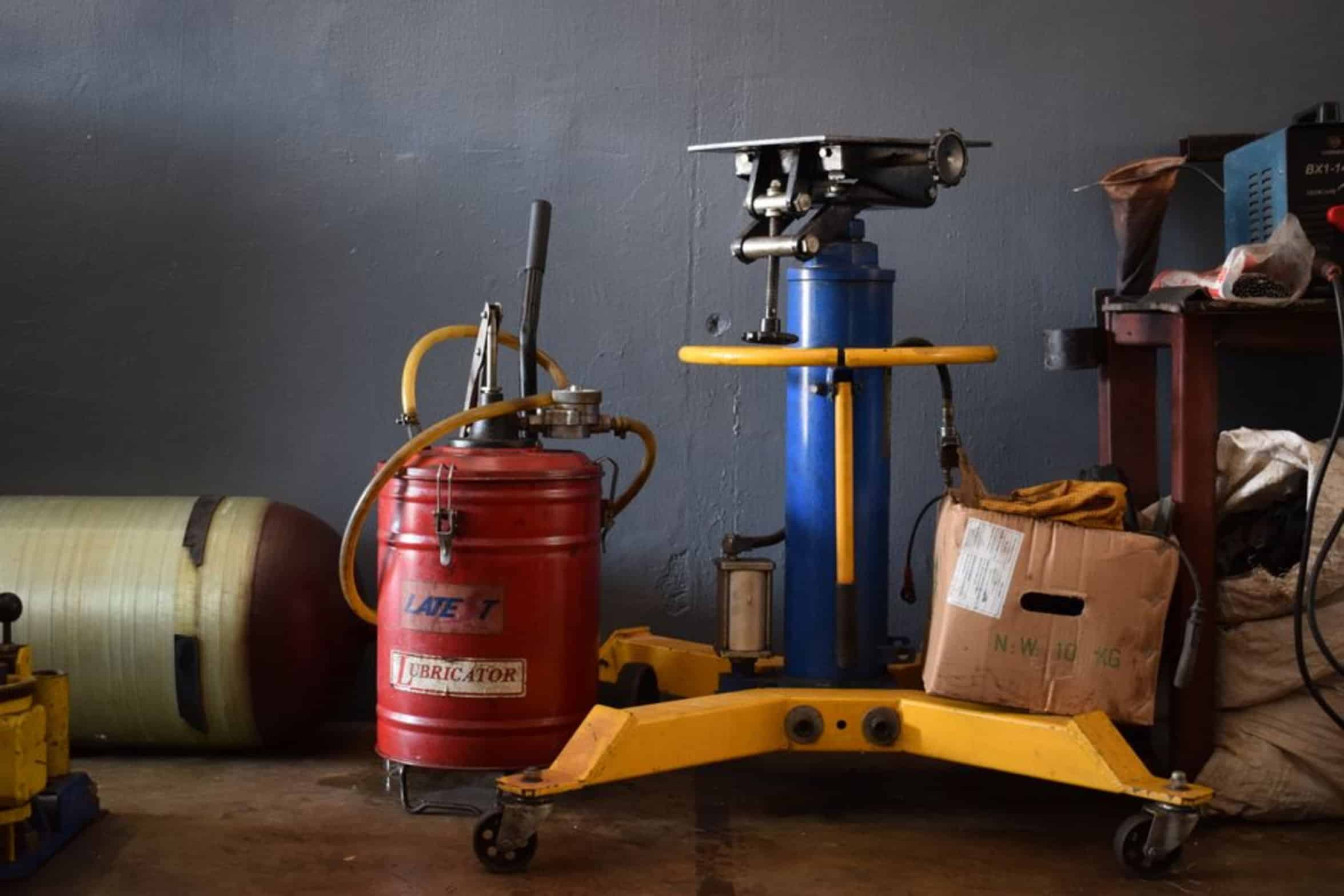
There are special oils for air tools that are made for their particular thermal cycle and high speed operation. The wrong oil will break down your rubber seals and create foam, which isn’t a good thing. Regular motor oil has anti-foaming agents and detergents not meant for pneumatic applications.
With air tools, oil gets blown out the exhaust port at high RPMs. Air tool oil doesn’t have any of these detergents. It will coat the metal surfaces without clogging the airflow and won’t separate when compressed rapidy.
Choosing the Right Air Tool Oil
If your oil does contain no additives, then use ISO grade 10 or 22 hydraulic oil. But for peace of mind, stay with an air tool oil specificly stated as such.
Determining Lubrication Frequency and Amount
How much?
That depends on your application. There is no one-size-fits-all answer. If you’re pounding concrete all day with a high impact hammer drill, it go through oil fast.
Friction generates heat that require constant top-ups. Nail guns and air ratchets for casual applications goes through less oil. If the tool sounds like it’s working hard or is running hot, a couple of drops in the inlet filter before each use will be required.
A weekly check is often sufficient for light duty. Many moddern tools has some form of auto lube system. As air moves through them they also meter out the oil.
It is a good deal, but you need to check it often.
Applying Oil Safely and Efficiently
Without an auto lube system, just add a couple drops into the intake or better yet use one of those in line oilers. How you apply it makes all the difference.
With an inline lubricator, set it on slow drip. Too much oil can starves the tool of oxygen by filling the air path with liquid and it’s messy. For manual intakes, two or three drops should of do the trick.
Any more and you’ll start running into carbon buildup which also restricts airflow.
Maintaining Air Filters and Cleanliness
The environment you work in should be considered too. Pneumatic tools is damaged by dust and other debris.
While oil will wash some away, it can trap particles if the air filter becomes dirty. Intake filters should be changed regulary. If the filter become clogged, it forces the compressor to work harder.
In addition, it draws contaminants into the tool. Keeping the air supply in good shape is just as important as keeping the lubrication going. These measures don’t take advanced mechanical know-how.
Seizing a tool costs hundreds; a drop or two of oil costs pennies. Clean the filters and keep that oil flowing. You’ll get more life out of your tools for it.