There’s something about a palm nailer. Its speed and precision make it feel like magic especially as you see the lines from your trim vanish beneath your fingers. What was once a two-handed wrestling match become a tap, tap, tap with one hand.
One hand hold the wood still, and the other drive those fasteners home. It feels effortless until you recognize the dependence at play. Magic is all about air pressure, and that means depending on a compressor to maintain your pace.
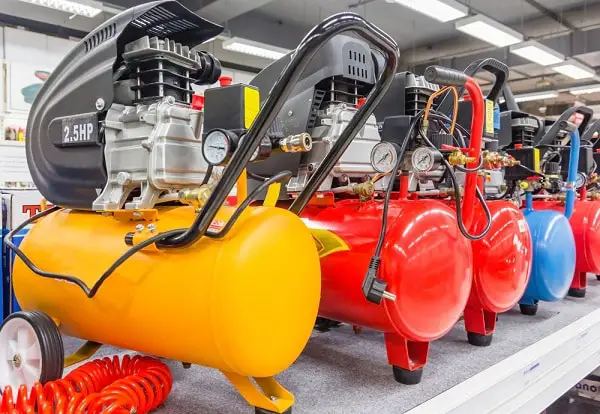
The nailer is the cool one in the box, and that’s why many homeowners purchase it before the compressor. The compressor gets stashed in a corner and looks like any other piece of generic industrial noise and they wait. Don’t make this mistake.
The compressor are the engine of this operation. Pairing a weak compressor with a ravenous palm nailer mean you’ll be spending more time waiting for the tank to refill than you will actualy building things. The second the air runs out, the tool stop working.
The takeaway here is to know how these two pieces communicate with each other. This isn’t simply “buy the largest tank you can”. Rather it’s about providing an air source that matches the demand of your tool.
Doing so ensures better airflow and more efficient work. It also mean less annoying pause time and a longer life for your tool. Let’s take a peek at what you really need to run an air system properly and how they all fit together.
How to Choose the Right Compressor for Palm Nailers
Why Compressor Choice Matters
A palm nailer is made for those tight area that your normal framing nailer just won’t get. How about the fine trim work next to a window? It could be the corner of a chair frame or even the edge of a cabinet.
What we like is they are light (often under two pounds) and that helps them be easier on your hands with extended use. What they shoot are smaller nails called pins or brads. Typically only an inch or two in length.
The benefit here is nice clean finish and no splitting of the wood as much. No big hole to go back and fill up. The drawback is lack of power.
Understanding Palm Nailer Air Demands
Not going to drive a long fastener into hardwood. These are finishing guns not framing guns. But this accuracy require its own kind of air intake.
The tool doesn’t have a giant cylinder powering the nail. It’s that small. Instead, it use a quick blast of high pressure air coming out of your hose.
So the tool actualy takes a lot of air. It empty the tank of your compressor quicker than you think. If your compressor isn’t fast enough to fill up between shots, the tool won’t be able to get a full shot and will either misfire or shoot the nail shallow.
You want all the nails to go flush; no half-shafted business. There is one specification that is far more important to pay attention to: Cubic Feet per Minute or CFM for short. It’s a measurement of how much air the tool require.
Generally speaking, palm nailers requires 2.5; 4 CFM @ 90 PSI. Now that number doesn’t sound like much, but trust me, it quickly accumulates if you’re working all day long. Most pancake compressors is rated at 2-3 CFM total.
Matching CFM and Recovery Rate
So say your tool calls for 4 CFM and your compressor provides only 3? That puts you on the wrong side of things. Your tank won’t refill as fast as it empties.
Regarding the compressor, I don’t care so much about tank size as long as your motor has enough power to kick it back into action quickly. The big tank makes a nice reserve, providing another couple of quick shots before firing up again. But if the motor can’t push air quickly enough, then having a big tank simply extends the time until the tank depressurizes.
For palm nailing, a small tank with a powerful motor will outshine a 20-gallon tank with a wimpy motor many times over. It’s all about the recovery rate. You want your motor filling that void between shots and not between shifts.
Optimizing Hoses and Duty Cycles
The next variable is hose length. The longer and skinnier your hose, the less effective the air will be because it loses pressure traveling down the hose. Just like a thin extension cord kills electrical performance, a thin air hose kill pneumatic performance.
When required to run a long hose, increase its diameter to a quarter-inch or even better yet a five-sixteenths-inch line. That decreases hose friction and maintains steady CFM delivery at the tool end of the hose. Cheap vinyl hoses is well known for this loss of pressure.
It is a cheap fix with a noticeable performance difference. Heat is the silent killer of air compressors: When run hard for hours at a time, a lot of heat builds up. That decreases efficiency and, over time, damages the motor.
The short bursts of air help keep palm nailers from overheating. If you’re building a room-full-of-trim kind of job, however, you’ll want a compressor that can stand sustained duty cycles. For use around the house, the common choice is an oilless model due to its low maintenance.
It has a shorter lifespan than oil-lubricated models, and it is noisier too. But it will suffice for most weekend jobs. Listen to the motor.
Does it sound like it’s being strained? Let it cool down. It’s all about planning and having a little patience to match the tool with the air source.
Selecting the Right Compressor
Don’t go out and get the lowest cost compressor available. Purchase one capable of providing the required CFM for your particular nailer model. Refer to the manual for the specifics on the number.
Next select a compressor that has a little more capacity than what the numbers call for. This little cushion provides a nice bit of security when you’re going for it and the air flow doesn’t stop. You will get clean work, happy joints, and a weekend project that gets wrapped up while there’s still daylight left.