Driving roofing shingles with an improper tool causes very particular frustration. Bending nails, missing shots, and disrupting your pace all works together to slow you down. All this happens while sun bakes your back and you sweat through your shirt on warm roof deck.
Your roofing nailer isn’t simply another power tool in your belt. It’s the engine of the days production. It gets you going and keeps you going.
The wrong one turns a reasonable afternoon into a struggle against both weather and the tool. Nailer selection can be daunting. On the surface, it looks like there’s no difference between one nail gun and another; they’re all in the same aisle at your local hardware store, they all feature the same trigger and magazine, and they all has safety tips.
But the devil’s in the details beneath that shell. These details dictate whether you’ll get the roof done by noon or only half of a gable end done before sunset. Knowing the details will save you money, time and more then a few drops of sweat.
Key Factors To Consider When Buying A Roofing Nailer
Gas vs Pneumatic vs Cordless Nailer Power
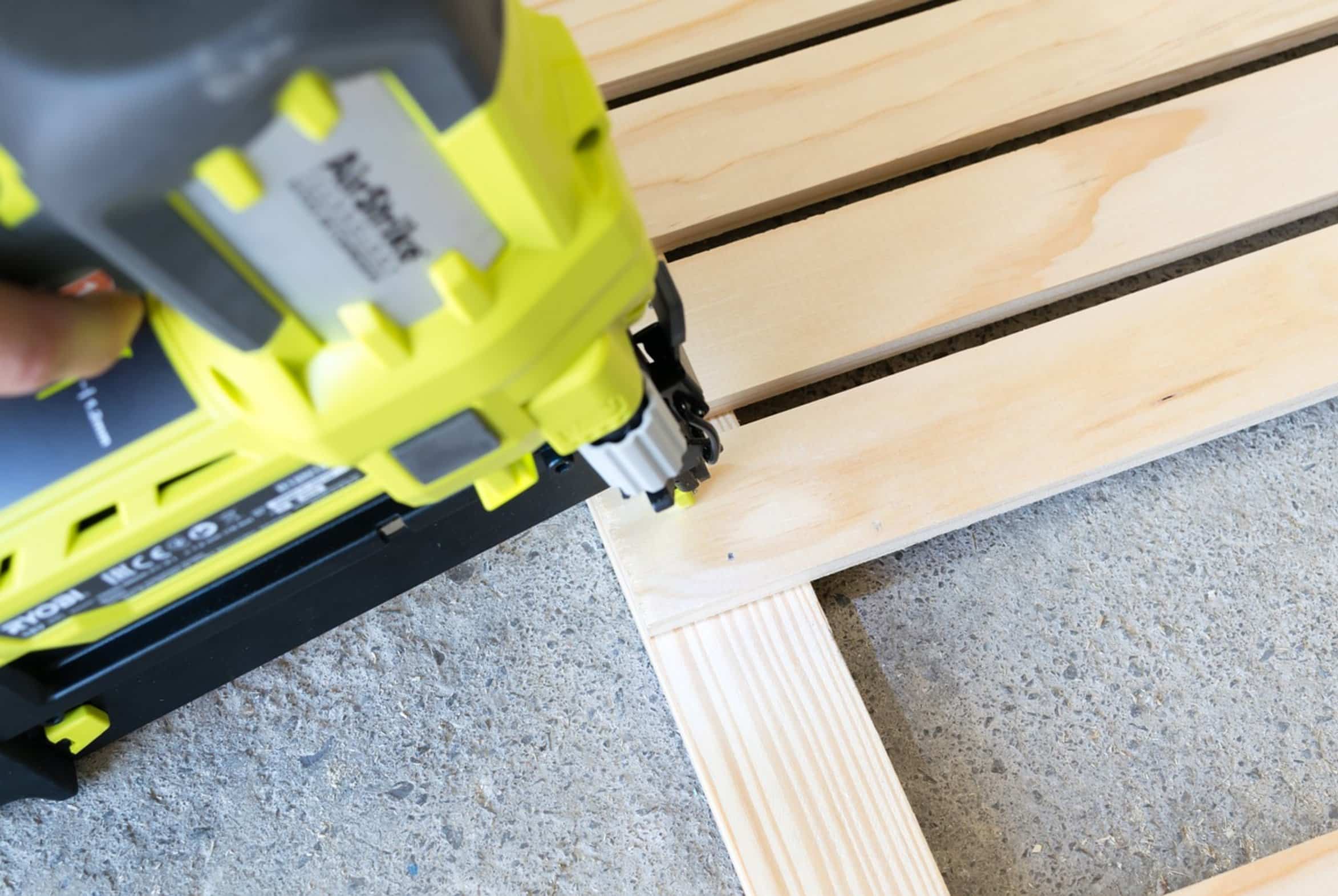
Choosing whether to go gas or pneumatic is the big-ticket item number one. A gas powered nailer is a cordless nailer that is fueled from a little canister. Pro: Freedom of movement Con: More expensive in the long run in terms of oxygen/fuel and you has to manage the fuel mix.
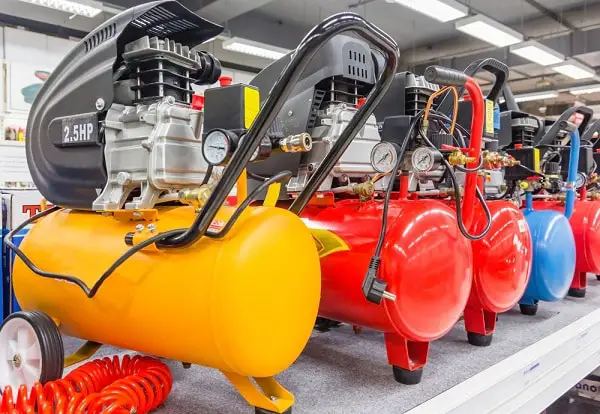
A pneumatic nailer uses a hose to connect it to an air compressor. A pro is consistent power, a lower cost per nail fired, and no issues with maintaining an O-ring. A con is mobility issue.
If the hose is too long or your compressor isn’t powerful enough you’re out of luck. It comes down to a choice between freedom and consistency. Many contractors has switched over to using cordless nailers.
These are now available on the market in battery powered versions. Companies such as DeWalt and Milwaukee have came out with some pretty bad ass cordless nailer that rival their gas counterparts. The best part is, they’re simple.
You won’t have to drag around a hose anymore. You won’t have to mix fuel anymore. Just put it on charge and go nailing.
The flip side is the weight. These guys aren’t exactly lightweight and adding the batteries makes them even heavier on your belt. And you gotta deal with battery management.
One battery may or may not last depending on size of job. But if you do mainly residential jobs, it’s pretty tough to beat convenience.
Choosing Nail Length and Magazine Capacity
When choosing your model, take note of its nail length and capacity.
Most asphalt shingle nails is 7/8 inch or 1 inch long. Some models has a narrow profile for fitting in those hard-to-reach places up near the eaves and under overhangs. The narrower the nose, the better you can put the nail close to the edge (without driving it through the last course).
And then there is the matter of magazine capacity. More nails on board translates into fewer reloads, but typically a bigger mag translates into a heavier tool. You’ll want enough nails to stay on task, yet not so many as to cause shoulder pain at noontime.
There’s the sweet spot between the two extremes that will suits your body type and likely job size.
Brand Ecosystems and Warranty Support
Brand ecosystem and durability matter more then many buyers think. It’s nice to stay in an ecosystem if you already have tools from a certain brand.
Batteries, chargers, and air fittings often shares compatibility within a brand’s ecosystem. For instance a DeWalt 20V Max system will work like a Milwaukee M18 battery will for multiple tools. This not only saves money but cuts down on clutter over time.
If you’re building your toolbox from scratch, consider warranty and local support. You want a warranty that honors its claims, and you want a repair shop close by when something breaks. After all, a tool isn’t worth much without the service backing it.
Sequential vs Bump Fire Trigger Modes
You should of looked at this earlier. So lastly consider what best fits your workflow. Do you want a sequential or bump-fire nailer?
To be safe, some nailers comes in both modes. Sequential mode forces you to press the tip against the surface before firing, which makes it better for precision and safer than bump firing. With bump firing you can slam away at nails fast since there’s no need to pull trigger on every single one.
It is faster, but you have to pay closer attention so you don’t accidentally shoot yourself. Consider what kind of roof you’ll be working on as well as your experience level. If you’re a newbie roofer, sequential may suit you better while a seasoned pro may prefer the speed of bump fire.
Actualy, it depends on how much you practice. The tool is a non-issue. The only thing you’re thinking about is the roof.
Go slow. Feel it in your hands. Pull the trigger and see how it works.
Read the fine print on the warranty. If it becomes part of you and feels like an extension of yourself, that is the true measure of a good purchase. It would of been easier to buy a moddern one from the start.
You’ll recieve great results if you pick the right ones for your needs. Your luxurios new tool will help you work more comfortabley.