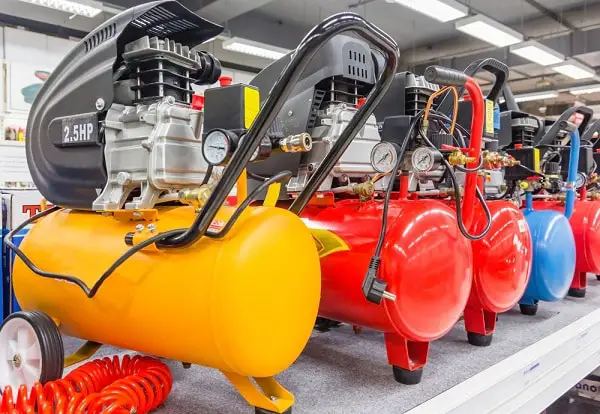
The air compressor tank is a bit of a black box. Most times you think about it as a reservoir to hold your air until you’re ready for more. Turn on the power, pull the trigger and off you go to next project.
While true, the tank is also most important safety device in the entire system. It is a pressure vessel stressed every second of operation. Combine that stress with any potential weak spot caused by internal decay and you don’t have an expensive repair bill, but rather a catastrophik failure.
Rust is the silent enemy of compressed air systems It’s subtle and often out of sight, under layers of condensation or paint. But make no mistake, it’s gnawing its way through the steel walls that contain hundreds of pounds of pressurized air inside. That’s what we’ll cover here: how to check your gear and look for tell-tale signs of corrosion.
When is the tank toast? What do you need to watch out for? You don’t should play chicken with safety.
Inspection Tips and Safety Guidelines for Compressor Tanks
Why Air Compressor Tanks Rust
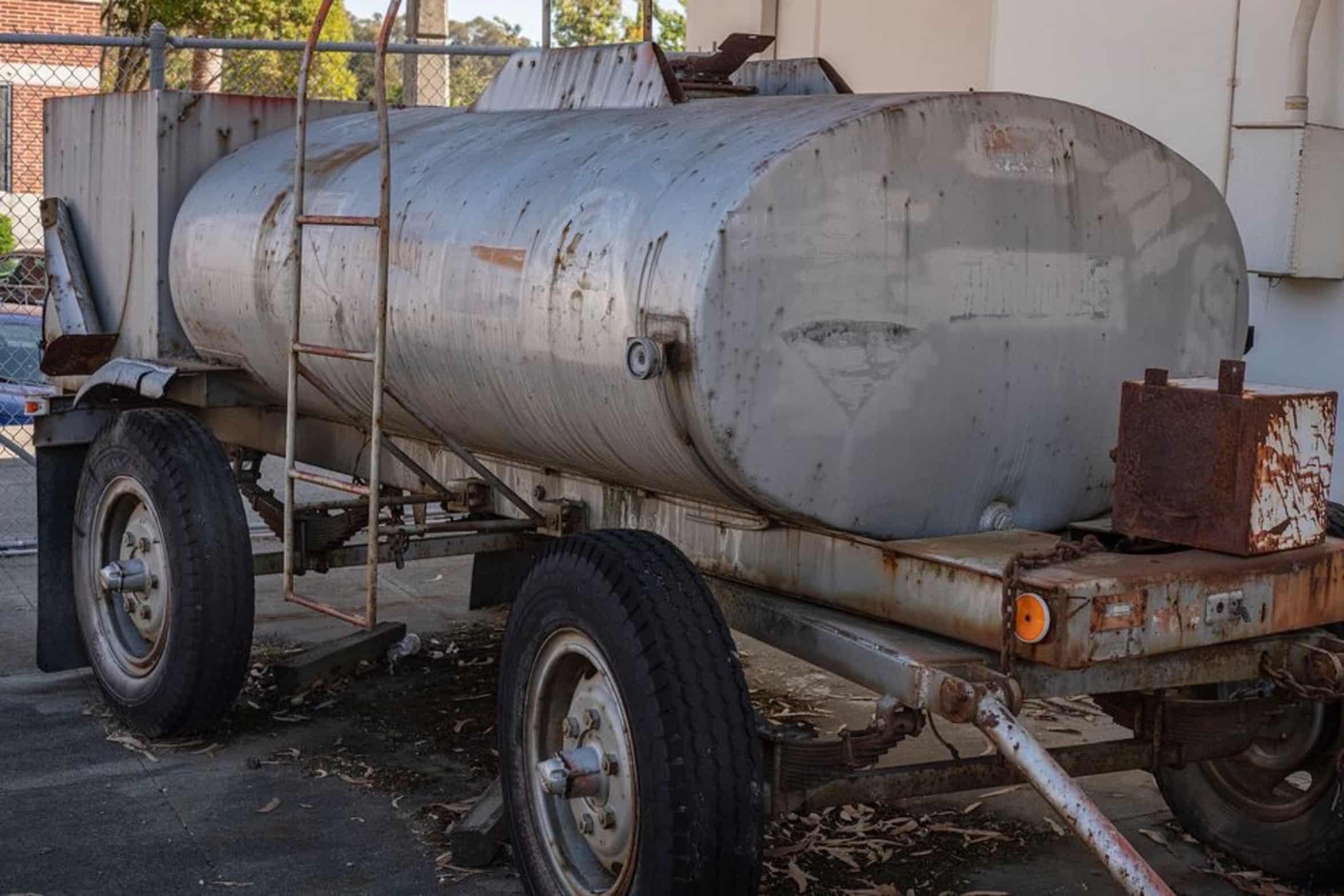
First things first: You need to know how the rust happens. Each time you run your compressor, it sucks in surrounding air. Surrounding air has moisture.
The air gets compressed down into a smaller space within the tank. This cause the humidity to increase a lot. Then as this cool air touches the inside of the tanks walls, what does it do?
It starts to pool. On the bottom. Now we have a combination of steel and water with heat and pressure.
Not a good combo. Rust start forming right away. You should drain your tank regularly.
The Importance of Daily Draining
A lot of people believe that simply dripping it out once or twice a month will do. Nope. Every time you use it, you should drains it.
If you’re running your compressor daily, then do it daily. Remember (even if you do drain it regularly), there’s still going to be some residual water in there. That residue speed up the corrosion over time.
You have to realize that it’s non-negotiable. It’s all that stands between you and a cracked vessel. To inspect the tank, a quick eyeball isn’t enough.
How to Inspect for External Damage
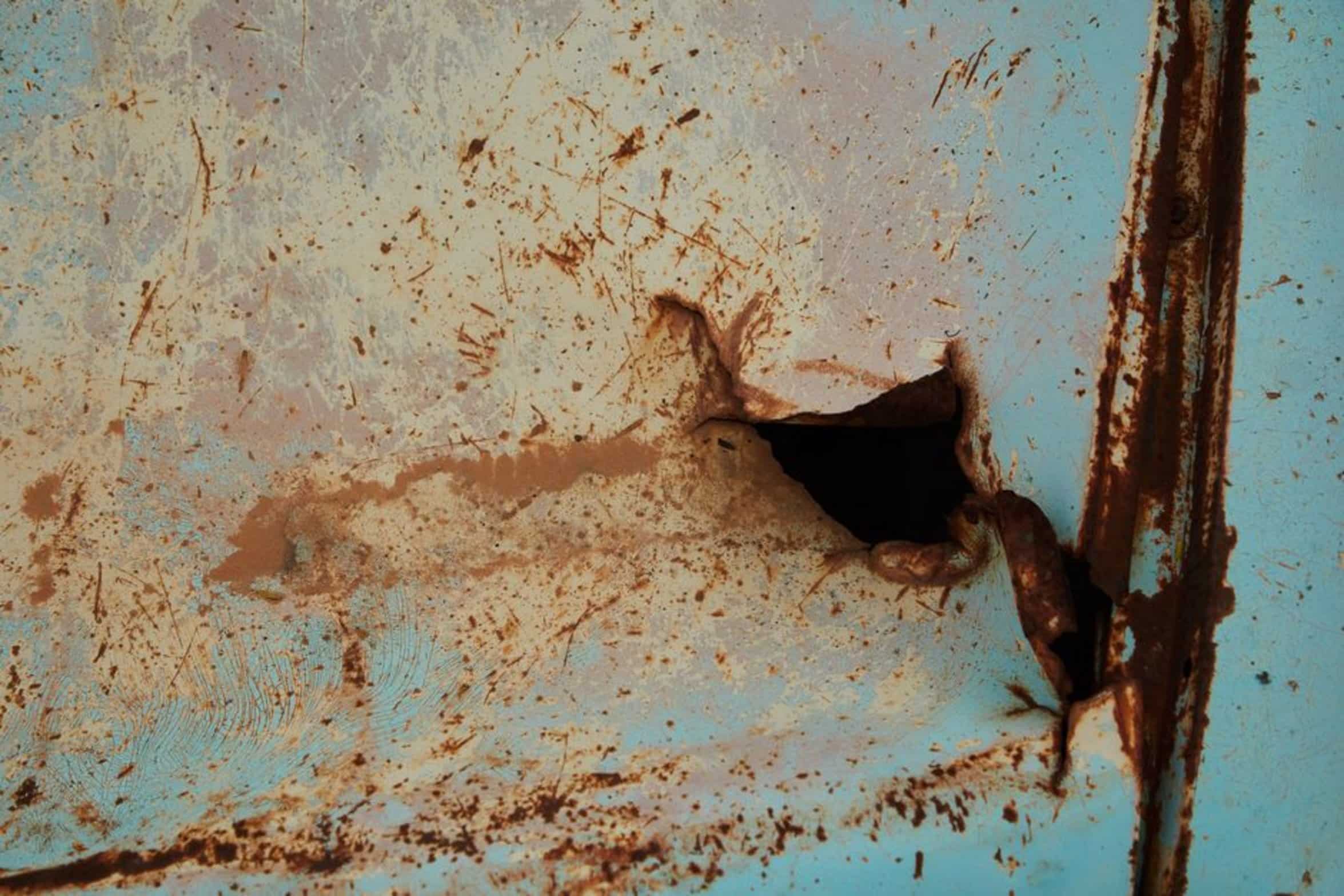
Examine the outside for flaking paint, deep pitting, or other forms of bulge or distortion. Those is red flags. It’s what’s on the inside that’s really dangerous.
Open up the drain valve and listen to the air release. If you hear a clean, sharp hiss, the valve is clear. If it sounds like water, gurgles, makes wet sounds, then there is standing water.
Standing water are the cause of rust. Drain until you don’t hear any water. Next, inspect the valve mechanism.
Is it stuck? Stuck valves traps water. Water destroy the tank.
Checking for Internal Corrosion
But what about what’s inside? That’s more difficult to inspect, but it has to be done. Use a fill port or your tanks drain valve.
Shine a flashlight inside, or better yet, use a camera. Are there any streaks of brownish-orange deposits? Tiny spots?
No problem. Rust-inhibiting chemicals formulated for air tanks will take care of it. Brands such as Ingersoll Rand and Campbell Hausfeld often includes specific maintenance chemicals for this purpose.
But if there is extensive flaking or heavy buildup of scale on surfaces, that means it’s too far gone. Internal rust can’t be painted away. And a compromised pressure vessel can’t be welded up either.
It’s simply not structuraly sound anymore. Deciding when to retire a tank isn’t an easy choice. We become attached to our old tools that has served us well over time.
When to Replace Your Compressor
It’s also a big financial investment. However, there’s a fatigue limit in steel. Tank manufacturers like Porter-Cable, Bostitch and Quincy builds their tanks to last a certain number of years under ideal conditions.
In reality, this usually isn’t true. If you’ve had it more than 10 years and there are any indications of corrosion inside, it’s best to replace it. Your life depends on it.
Don’t gamble. You don’t want to go to the hospital. A new compressor isn’t expensive by comparison.
Choosing Corrosion-Resistant Compressors
Finally, when replacing a compressor think about the new material. Many newer units on the market often features stainless steel components or other corrosion-resistant coatings, such as on DeWalt or Makita compressors. This will greatly increase the life of your vessel.
It doesn’t mean it won’t fail. It does however buy you more time. That is the important part.
You still need to drain them, but decay are slower. To those who know: Respect for the physics. The pressure don’t forgive the weak.
It looks for the path of least resistance. If the resistance is a tank wall weakened by rust, then that’s the path. The thinning won’t be seen till too late.
Follow your intuition. When something just ain’t right, then it ain’t right. Buy another machine.
You’ll be glad you didn’t had to stand there wondering what in the world just happened after a bomb goes off in your shop. Maintain a dry tank. Maintain a clean air system.
If rust takes over, discard it.