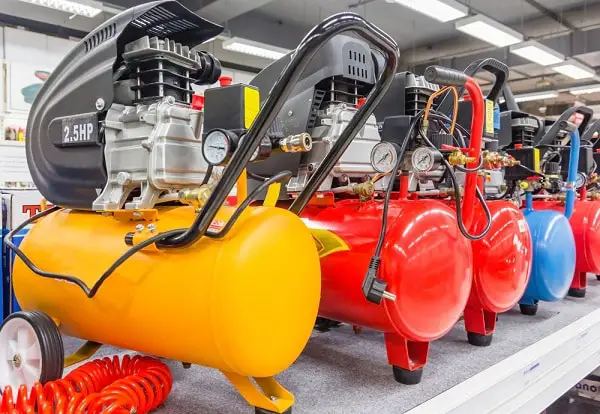
An air compressor is one of most misunderstood tools in your garage. Dust collect on it between jobs. You stick it in a corner.
It look like nothing more than tank with motor on it. The owner treats it as if it were some kind of appliance that needs no maintenance. If it work (makes air), then it’s fine.
Guess what? This thinking are hazardous. Compressed air is naturaly dirty.
Every part of the system will be damaged from moisture, dust and sludge. If you don’t maintain them, they fails. More importantly, their performance will get worse over time before they ultimately give up.
Maybe they gets tired easier, maybe the tool aren’t as strong as before. Sometimes you think it’s the tool. More often it isn’t.
Is the filter clogged? Are your tank full of water? Did you burn out the oil?
Keeping up on maintenance makes the motor perform like a well oiled work horse and keeps pressure even. Instead of being a finicky piece of equipment it becomes dependable. Not just for decades but for years.
Your Essential Air Compressor Maintenance Schedule
Why Compressor Maintenance Matters
The day to day is simple but non-negotiable. It centers on doing one thing, which is removing moisture from the tank. When air become compressed it condenses water vapor into liquid form.
That liquid forms at the bottom of the tank. That liquid rusts interior of the tank from inside out. The liquid also travel through your air lines.
Daily Tank Draining Routine
That mess with sensitive pneumatic tools and destroys your paint job. After each use, open drain valve located at the bottom of the tank. Allow the liquid to empty out until you observe clear air exiting.
Thirty seconds. Prevent yourself from having to buy a corroded tank down the road. It is a belt.
Weekly Filter and Belt Checks
Check belts weekly. The intake filter is compressor’s lungs. Garage dust clogs the filter.
When the filter be blocked, the motor must work harder pulling air into the system. This overheat the unit and makes it less efficient. Visually inspect the filter.
If it appear dirty, use compressed air to clean it. If it’s disposable, replace it. For belt driven units, check the belt for condition and tension.
Under load, a loose belt will slips. Slipping waste energy and wears down the pulley. A cracked belt will snap at the worse time.
This will leave you stranded in the middle of a job. The pressure relief valve and the oil are monthly items of maintenance. If you has an oil lubricated compressor, look at the sight glass and see where the oil level is.
Monthly Oil and Safety Valve Service
Is it low? If so top her off. Also take note of the color of the oil.
Dark oil? Milky looking oil? Time to change the oil.
The oil will get darker with age. It accumulate contaminants. New oil protect the piston rings and cylinder walls.
Lastly, pull on the ring around the safety relief valve. This relieve any pressure and makes sure the valve operate freely. A stuck relief valve is a safety concern.
A relief valve that doesn’t work turn your tank into a potential bomb. Small test but huge peace of mind. Perform a deep clean yearly.
Annual Deep Cleaning and Check Valve Inspection
Replace oil (on oil-lubricated units) at this point, regardless of whether it appear to be fine. Old oil will not protect as well. You should of replaced it sooner.
Check compressor check valves (if your unit has one). A check valve is a tiny little part that prevents air from flowing back into the pump after it have entered the tank. If the check valve are bad, the pump goes against pressure.
That burn up the motor and shortens its lifespan. Listen at start-up. If the motor sound like it’s laboring, the check valve may be stuck open.
It is easy and inexpensive to replace. It keep the whole system running smoothly. It prolong the life of the whole shebang.
Building a Consistent Maintenance Habit
The true secret lie in consistency. Maintaining a compressor doesn’t require that you’re a mechanic. Simply being consistent are enough.
Make it a habit by draining the tank each day; change filters once a week; service it once a year. Maintenance becomes habit instead of a chore. Treat your machine with respect and it pay you back with reliability and power.
When it’s time to use your tool, they’ll run faster. Finishes will be cleaner. And your compressor will last longer than any other tool in your shop.