
It’s one of those annoying issue that DIYers face: You need air at the end of a job (like changing a tire on busy roadway) or after a long day of trim work. The air compressor hose is now too far away to reach. You’ve got the weighty tank dragging along ground, yet you can’t quite get it there.
Meet the handheld, battery-powered air compressor, which turn a connected device into a portable tool that you can slip in your glovebox or workbelt. It is a convenient switch until you look at what these tool actualy do. Handheld compressors are not created equal.
Their performance vary, and the winner could make or break your project. In the last few years they’ve become common in market. There are unit out there that will fill up a big tire on an SUV in minutes.
Then there are the ones designed more as bike pump, which has trouble getting up to thirty PSI. To determine which one to buy, ignore marketing and know how it move air. This means understanding the tank design, what battery platform it take, and realisticly what limit you’ll reach.
How To Choose The Best Cordless Air Compressor
Battery Ecosystem Compatibility
You don’t necessarily need the most air, but rather a device capable of finishing filling your tire before it use up too much battery. The first consideration is whether or not it’s compatible with your battery ecosystem. Handheld compressors from major manufacturers don’t typically use proprietary batteries.
They’ll either be compatible with power tool batteries from major manufacturer. So if you’ve got Milwaukee M18 batteries, consider the Milwaukee handheld inflator. Same deal for DeWalt twenty-volt tools, Ryobi forty-volt systems, or Makita unit.
Having to buy another battery and charging system doesn’t make much sense (you also save some money). Stick with what you’re already using. It will simplify your workflow.
You won’t need to buy another charger or even charge another battery. Switching ecosystems almost never makes financial sense, find one that fits your platform. Cheaper version come up short on power.
CFM And PSI Performance Ratings
Look at the CFM (that’s cubic feet per minute) and also at PSI rating. If the CFM is low, a unit rated from zero to one hundred fifty PSI might take twenty minutes to get all the way there. Typically, DeWalt and Milwaukee models seems to be more balanced.
In less than five minutes they’ll get your car tire up to thirty-five PSI. When you’re changing a tire on side of road, that makes all the difference. It’s like “I don’t have time for this” slow.
You want something that will build it up slowly and consistantlys. Not something that just sputters out halfway through. Tank size matter for duty cycles.
Piston Versus Diaphragm Pump Types
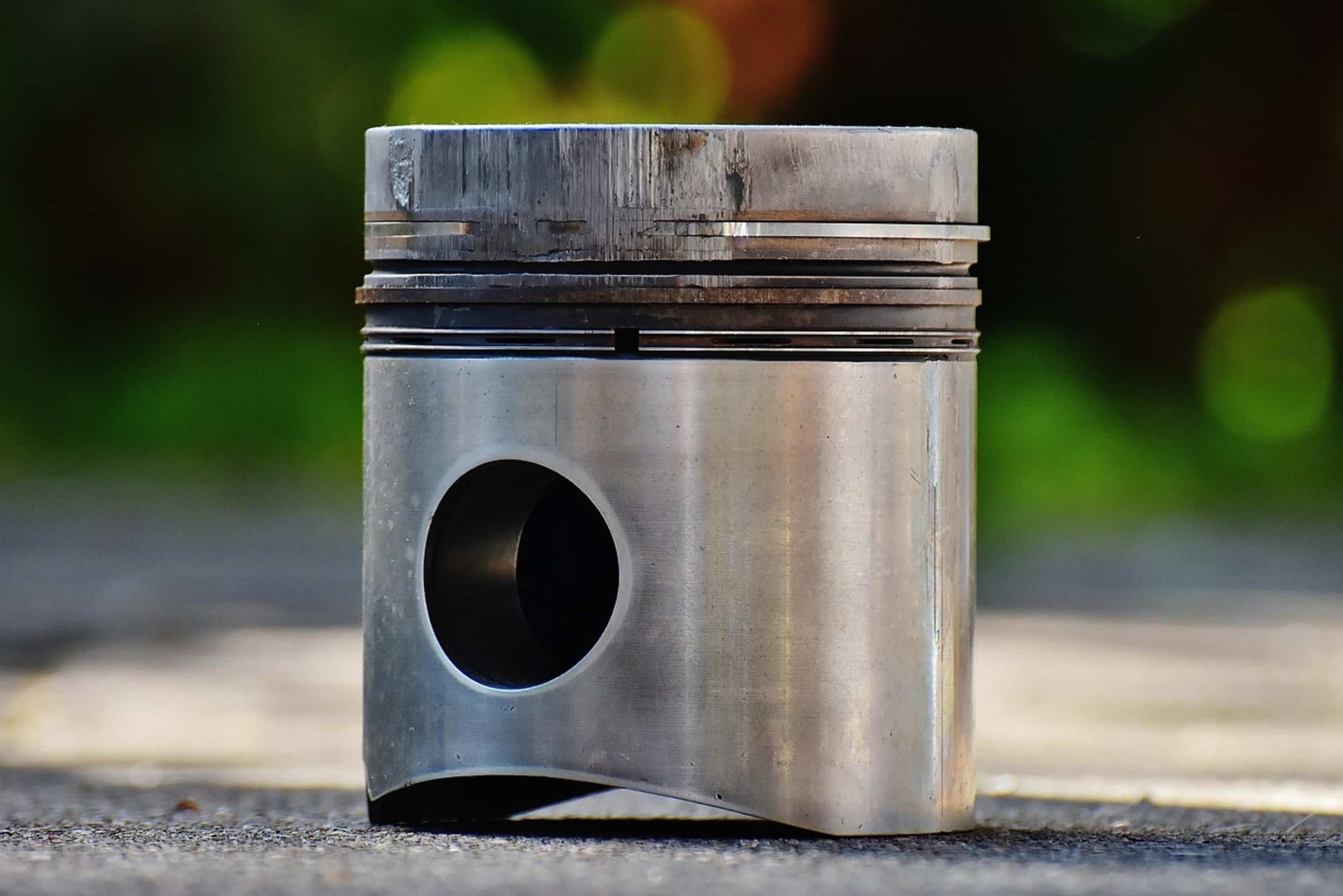
Compressors gets hot when they’re pumping. You’ll need some sort of tank to store compressed air, which will give your motor time to cool down before overheating. Some models use a piston pump design while others use a diaphragm pump.
The piston pump tend to be louder, heavier, and more powerful. Conversely, diaphragm pumps is lighter, quieter, but don’t hold up well on larger tires. If you want portability, you go light; if you want it to last and be faster, then you go bigger.
In general, most user find a middle-size piston pump make the best all-around unit for general car or home uses. Some tools you hang on to and others you toss out because they don’t hold up well. Look for something built tough.
Build Quality And Durability Features
Metal housing instead of a cheap plastic shell. Is air hose protected and neatly coiled so that it doesn’t get damaged? Do digital gauges work?
They can be delicate. Oftentimes, analog gauges or simple led indicators lasts longer in a tough job site environment. Does a good handheld compressor crack when dropped on concrete?
If it feel flimsy in your hand, it won’t take long before it cracks. You should of bought a unit that is built to last and you won’t have to buy another one at the end of a hard season of use. With the right handheld compressor, this once-frustrating chore become a speedy fix.
You’re free of those pesky tanks and cords and able to take on whatever job requires; wherever it may be. Find one that matches your current line of tools. Match the battery with them.
Focus on real-world performance rather than fancier specs. Then you’ll have a device worthy of joining your kit. Next time you’ve got air needs, look no further: you’ll be plugged in and efficient.