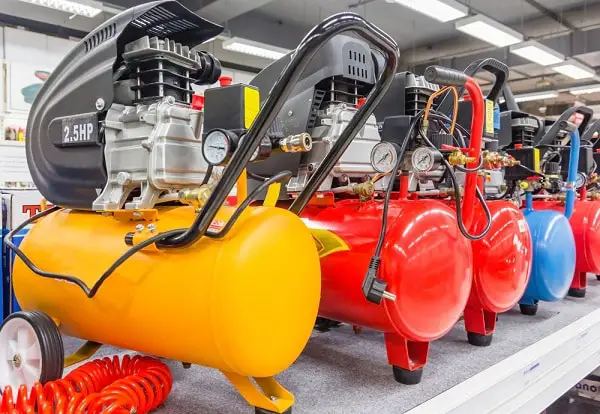
You hear the familiar whirring sound of an air compressor. It provide the power behind your spray guns, inflators and nailers. And for years, you’ve probably overlooked the water gathering in bottom of the receiver.
“A little nuisance,” you thought. While holding a rag against the valve, you’d drain it periodically. However, you may not realize that air system water isn’t just a maintenance chore; it is ruining finish quality and damaging tools.
So, does it realy matter if you have a moisture trap? The short answer is: maybe, but not necessarily. In the end, that all depends on your application for compressed air.
Understanding Air Compressor Moisture Traps and Need
Why Air Compressor Moisture Matters
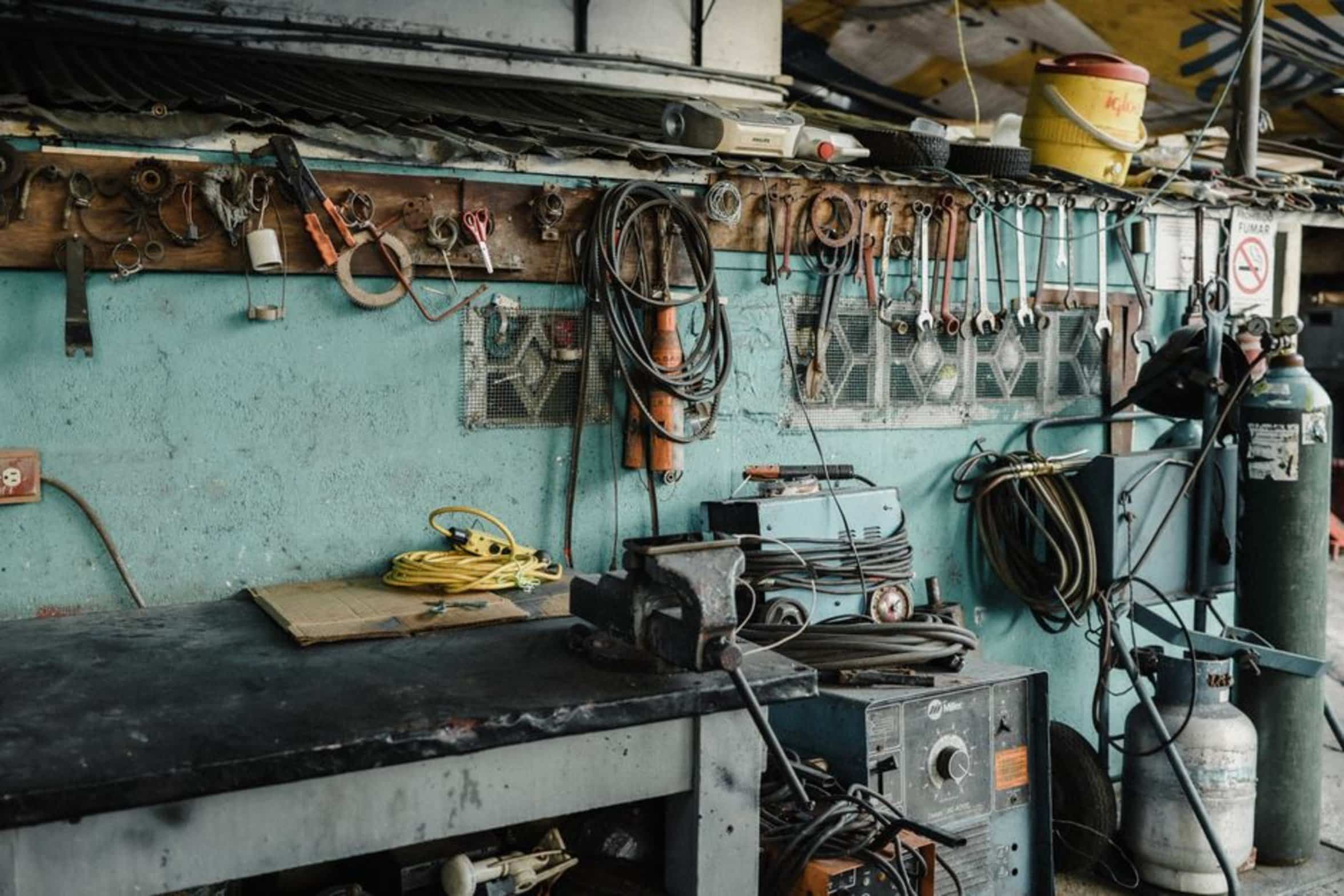
For example, if you’re using it to inflate bike tires or run a basic impact wrench, you may be able to squeak by without anything more than a good morning routine and a simple ball valve. However, if you’re working in a cold garage, running precision pneumatic tools, or doing something as delicat as spraying paint, things get much different very quickly. A few seconds can ruin a day’s worth of delicate work, while freezing moisture in the lines and rusting internal components can cause big problems.
How Compressed Air Creates Condensation
An air compressor works by sucking in the surrounding air and compressing it into a tighter space, which makes it hotter. Hotter air is more humid. Then as the air cools off inside the tank, the water vapor turns back into liquid form.
That moisture then sinks to the bottom of the tank due to gravity. That’s basic physics, and if you have a good compressor (like a Quincy stationary) or a bad one (like a cheap Harbor Freight pancake compressor), it still happen. How much water?
It’s decided by how much the air cools and by your local humidity. The first line of defense is to simply drain the tank out by hand, but it’s flawed. For one, you has to remember to do so.
Even if you do, you’re only draining the water that has settled. The air exiting the tank will have a fine mist on it. Imagine a soda bottle that’s been shaken.
Letting it sit won’t change the fact there’s still fizz in it. That’s what clogs up those small openings in your spray gun or messes with the seals in your Makita nailer. It’ll put a slick film on things making them feel sluggish and unresponsive.
Active vs Passive Moisture Removal
Active vs. Passive, This is where most folks cross them up. Active means you have some sort of filtration system to remove the vapors & other stuff that moves with the air. Passive simply mean draining the tank which gets rid of bulk water only.
Those tiny little drops go into the air as mist too and they are caught by something known as a moisture trap or an in-line filter. That’s what keeps them off your high dollar gear. It’s a quick band-aid vs a long term solution.
These are in-line moisture separators. Think of these as little canisters you screw onto your air hose. Using either coalescing filters or centrifugal force, they separates water from the airstream.
The water drops to inside wall of the canister, which collects in a little cup on the bottom. Drain that cup, and voilà (dry air). It’s a realy simple mechanism, but boy does it work every single time.
Protecting Tools and Finishes
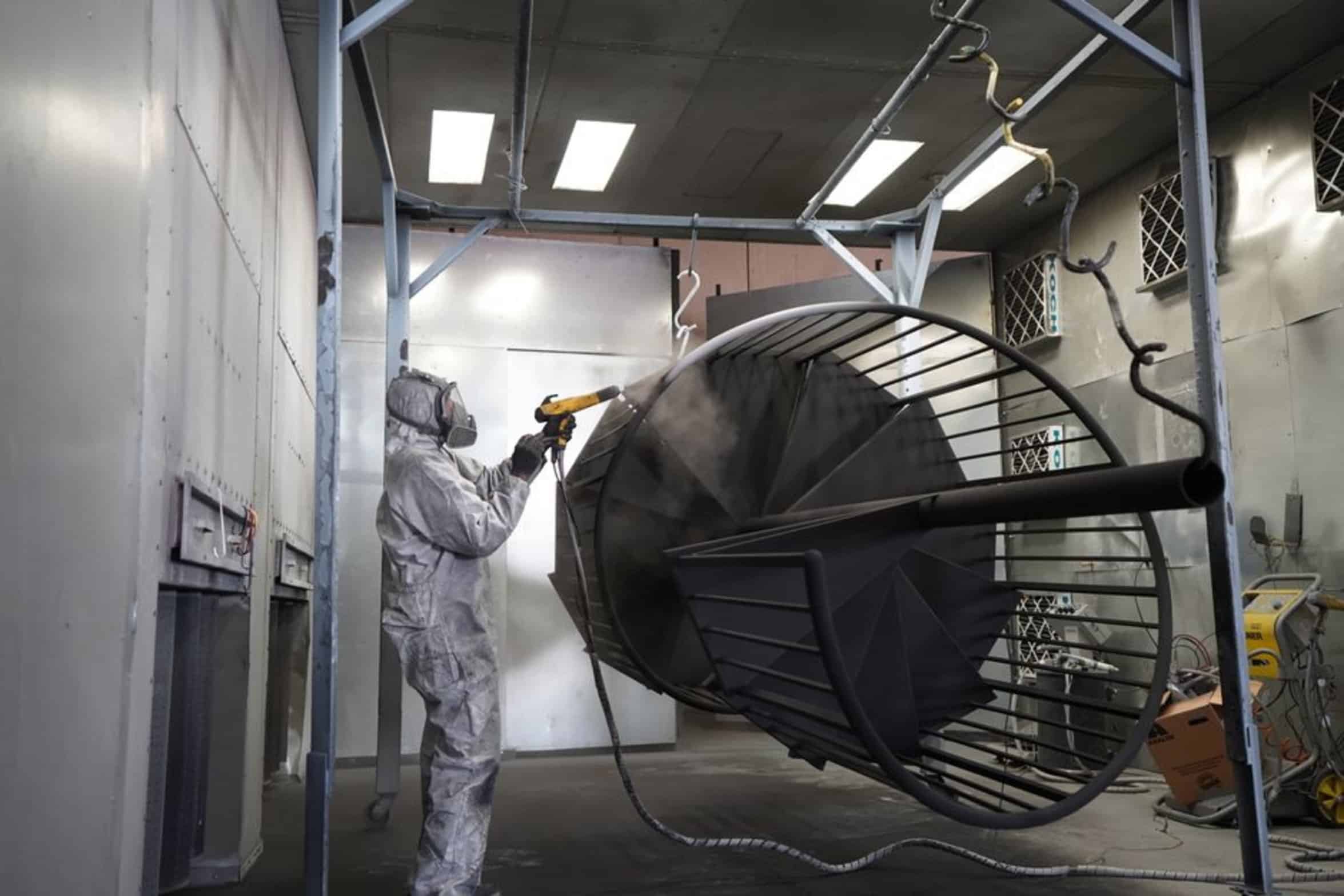
Industrial brands like Swagelok and Parker make some beefy units; more affordable generic filters is just fine for lighter DIY uses. The most obvious reason to install a trap is paint spraying. Blistering and fisheyes are the result when water mixes with your enamel or lacquer.
You can spend hours prepping a cabinet, only for it to fail because of a few drops of condensation. A basic filter costs little compared to the waste of sandpaper and paint. It’s just an insurance policy on your craftsmanship.
You will no longer have to guess if your technique caused the finish to go bad or if something was hid in there.
Preventing Freezing and Corrosion
More urgency is added if there is cold weather. When water freezes, it expands.
For instance, if you use a shop where no heat reaches the air lines, any water that’s left in them could freeze and completely stop the flow. Or worse yet, it might cause cracks in the brass fittings or even split plastic couplers. The in-line filter makes the air drier which decreases the chance of freezing.
Also, the filters protects the tools sitting idle in the line all winter from any kind of corrosion inside.
Maintaining Your Moisture Trap
Pressure drop is the tradeoff. You lose a small amount of PSI for every restriction in your air line.
If your filter get clogged, it’ll starve your tools of power. Maintenance is the solution. Check that water cup.
When it’s halfway full, drain it. If the element is replaceable, change it. It take ten seconds a week.
Letting it go makes what should of been a helpful device into a bottleneck. Just like a partially closed valve, a dirty filter restricts flow.
Do You Need a Moisture Trap
Do I really Need One?
For someone who paints, does woodwork, metal fabrication, etc., the answer is an emphatic YES! You’re protecting your investment and getting consistent performance from it. If you are someone who just blows dust out occasionally and maybe inflates tires with air, you don’t have to get one.
That being said, for the small price tag, the peace of mind is well worth it. You want clean air so your tools lasts longer. It is another little upgrade that makes the shop seem more like a pro.
The moisture trap is the kidneys of your air system. Its job is to filter out the waste and let the other parts of the body work properly. When it’s doing its job, you don’t think about it.
When it doesn’t, that’s when you know it’s time to notice it. So install it, drain it, and forget it. Now get back out there and make stuff without having to worry about what might be lurking in your hose.