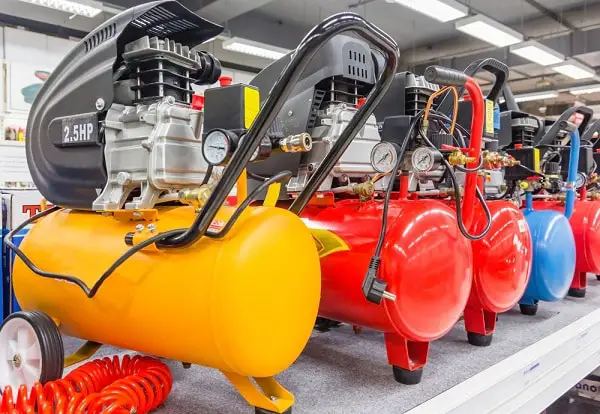
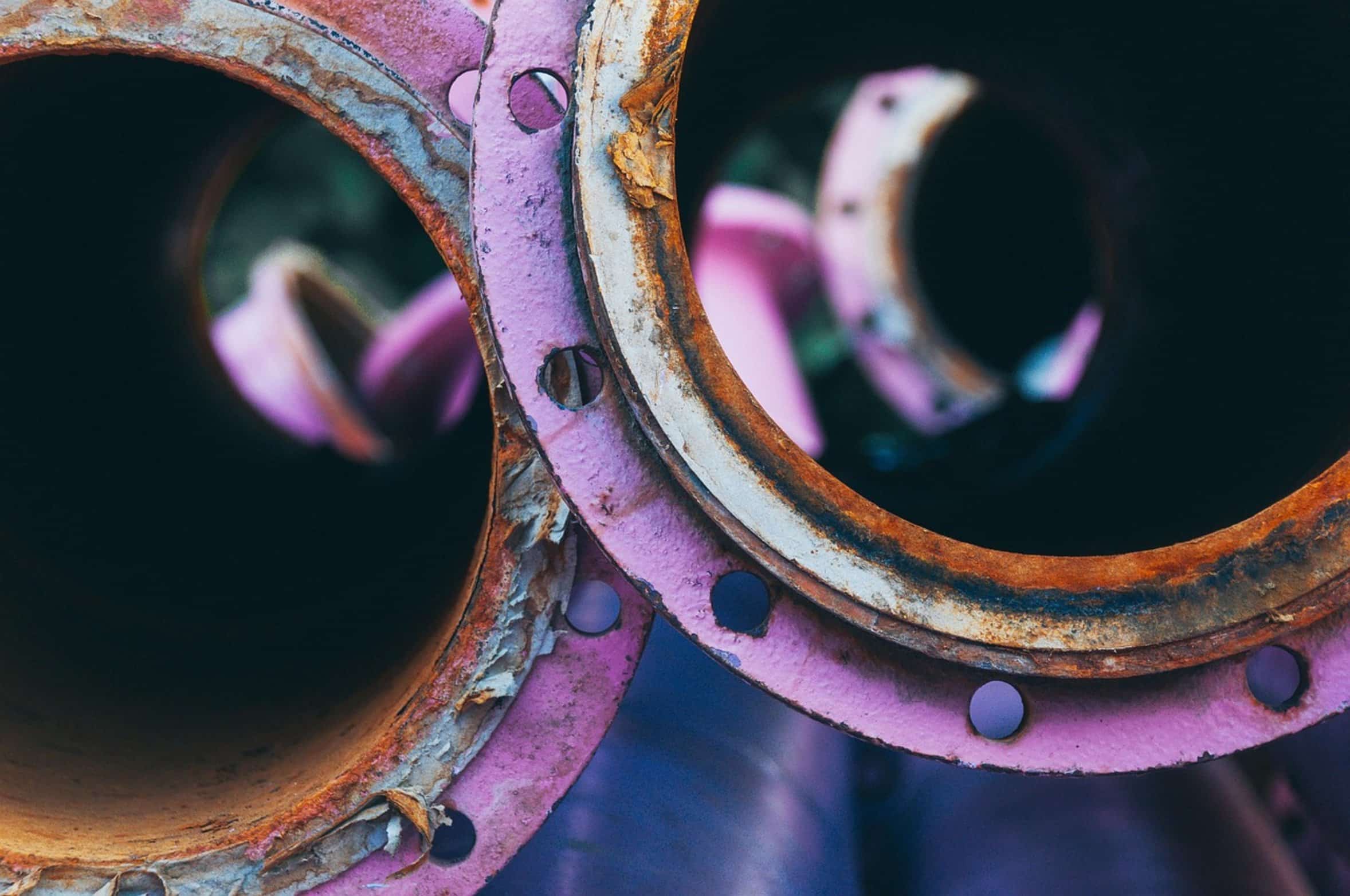
Moisture is bad. It destroys all of that expensive gear by creating rusts. It damages precise tools beyond use.
And it will destroy any paint job with fish eye and orange peel. A good compressor help, but if not dried propery, moisture kill the product. How do you dry?
What dryer do you need to ensure clean, dry air? Is your air a liability or a valuable tool? You’re left with a choice: desiccant or refrigerated air dryer?
Desiccants and refrigeration methods addresses moisture in different ways and each have its advantages and disadvantages. Knowing how they differ helps you select the right solution for your application, while avoiding paying for features you don’t require.
Comparing Refrigerated and Desiccant Air Dryers
The Dangers of Moisture in Compressed Air
A refrigerated air dryer work like a home refrigerator.
It simply takes the compressed air and cools it down so that water vapor turn back into liquid form where it can be drained off. This type of dryer are commonly found throughout automotive industry as well as more general manufacturing use. There is no consumables or parts to change out, so overall cost of ownership is fairly reasonable.
How Refrigerated Air Dryers Work
You buy the unit and you pay for electricity to power it. There’s one caveat with this approach: pressure dew point. Most refrigerated dryers cools air down to roughly 38 degree Fahrenheit dew point.
That is enough to keep air dry in most temperate climates. However, if you run air lines into a cooler storage area or outside in the winter, enough moisture will be present to condense. The refrigerated dryer isn’t going to remove all of the water vapor from the air.
It simply lower it to a manageable amount. Adsorptive dryers is also called desiccant dryers because they use desiccants to absorb water vapor from the air. A bed of desiccant material (typically silica gel or activated alumina) absorbs moisture molecule as air flow through it.
Advantages of Desiccant Dryers

It reaches very low dew points, down to minus 40 degrees Fahrenheit or even lower. That degree of dryness is essential in applications like laser cutting, pharmaceutical packaging, and other delicate electronics. Even when surrounding environment is wet, the air inside stay almost completely dry.
But they come at a price. And with some level of complexity. For example, desiccant systems draws much more energy to get the drying media back into shape.
Energy Costs and Air Waste
In fact, certain models purges a part of the dry air that was drawn from the bed by blowing it out in the atmosphere. Depending on the type of dryer, this could result in wasting as much as fifteen percent of your compressed air supply. That wasted air volume will put additional strain on your compressor, which means higher operating costs over time.
You’re essentially paying for air you’ll never see again. A compromise exist in heated purge desiccant dryers that regenerate via electricity. They keeps your dew point low and maintain your air supply while saving you money on waste.
These systems will have a greater up-front cost different than refrigerated units but lower ongoing costs due to less waste. In these situations, consider the amount of air you consume and if you need an absolute dry environment. That’s usually what lead people to choose one or the other.
Choosing the Right Air Dryer
There’s no magic bullet for selecting the correct dryer. First, decide how you will use it. Will it run spray booths and power pneumatic tool, or will it work in a climate-controlled shop?
Generally speaking, a refrigerated dryer get the job done and isn’t as complicated (or expensive) as an advanced system. Desiccant technology are a must when the application require breathable air, optical fibers or something else that won’t tolerate humidity; the potential damage from moisture far exceed the price of electricity. What about how warm or cold it gets where you is installing this unit?
In very hot locations, refrigerated units has less effective heat exchangers and struggle to keep up. Desiccant dryers, however, work across a broader spectrum of temperatures. While they still need appropriate controls for intake air temperature, they will also maintain performance without the temperature limits.
Planning for seasonal changes will prevent problems caused by shifting weather. A good dryer is a dryer that suits your real needs. You don’t need a complex dryer designed for a simple job; that is just a waste of energy and money.
And using a dryer that is under-engineered could of been even more expensive because of poor product quality and lost production time when dryers breaks down. Consider what you need (air volume), how much you want to spend, and how wet you want the air to be when it leaves. Good drying is good for finishing quality and your investment.
Water is still water and it’ll find its way into compressed air if you’re not careful, so plan on keeping it out. Actualy, moisture dissapears naturaly only with desiccant. It’s more luxurius than a cheap model.
You should of used better tools.