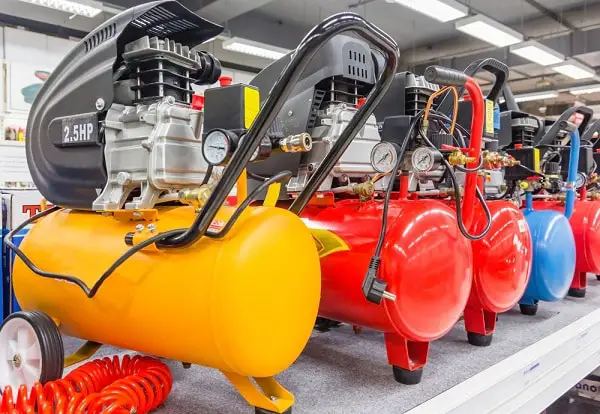
Pneumatic systems is vulnerable to water. You grab a nail gun and pull the trigger. Sputter, sputter.
Instead of a clean shot, you gets nothing. Hisssss. Stall.
Your project are put off by a few minutes… Or more. Chances are, it’s not the tool that’s at fault.
The problem is usualy upstream (in compressor system). Moisture ruins all kinds of finish work; it gums up lines, corrode internal part and can even lead to failure. A moisture separator is not optional, it make the difference between a reliable workshop and one full of headaches.
But the box isn’t everything. Homeowners will purchase most inexpensive inline filter and assume “it’ll do.” Not so much. It’s penny wise and dollar foolish.
An inline filter need to be able to catch condensate but not impede air flow. There is a lot of different inline filters out there, everything from basic spin-on filters to advanced electronic drain unit. Knowing what they can and cannot does will save you money in long run.
Choosing Best Moisture Separators For Compressors
Why Moisture Matters in Pneumatic Systems
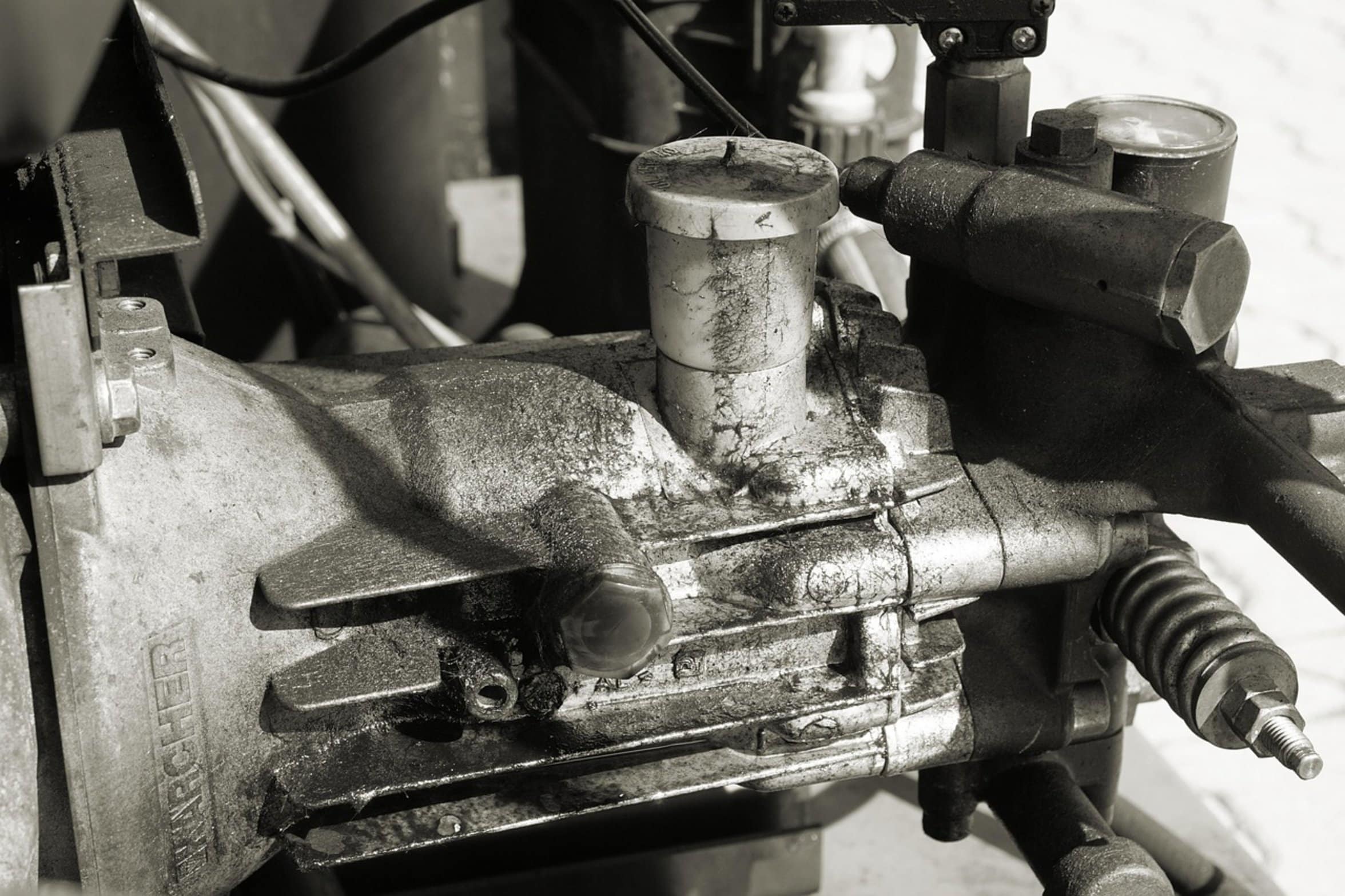
Centrifugal separators are the most popular variety. They has an airflow that spins air in a chamber. A centrifugal force forces any heavier water droplet outward against wall.
They then drop into a drain cup. There is no moving parts so there’s nothing to go wrong. An example of this would of the Air King 40-158.
How Centrifugal Separators Work
It is easy to install and perform well on normal shop tasks. No power needed. Perfect for a quick and dirty setup, or a remote job site where you want something reliable but don’t want anything too complex.
There are limitations off spin separators though. They won’t handle super-fine oil vapor/mist well. Depending on how your compressor is set up, there may be still tiny drops of liquid being carried through air beyond the spin stage.
Enter the coalescing filters. By using a tightly woven mesh or paper element, these filter catch small particles. Popular choices include Park 4300 series.
Coalescing Filters for Fine Particles
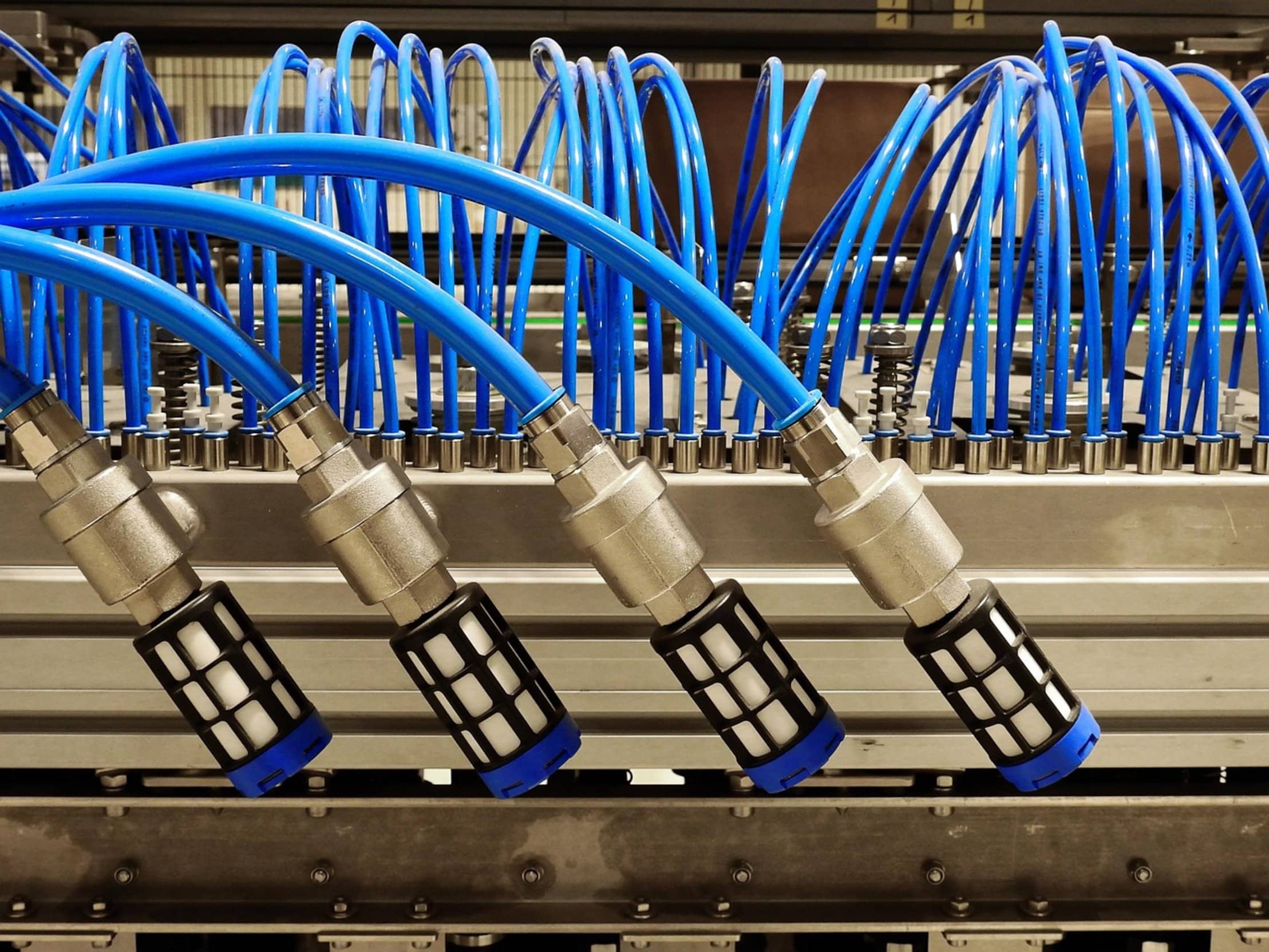
Working together with spin filters, they catches whatever gets past them. This results in drier air and protects things like paint spray gun or impact wrenches. Downside: The filter element need to be replaced regularly, or else it will get clogged.
Coalescing filters do have one drawback; pressure drop. The more dirty an element become the more resistant it is to airflow. To push air across the element the compressor has to works harder.
That decrease efficiency and can wear out motor eventually. It is not a big deal, but it is something you want to consider for both the performance of your tools and your energy bill. When shopping look for filters rated for amount of CFM needed.
Don’t get a filter that’s too small for your compressor. That will create a bottleneck and defeat purpose of having a filter in there to begin with. You want a balance between filtration quality and flow rate.
You need some sort of balance between flow rate and filtration qualitity. You also need to consider drainage. There are some units with manual drain valves which needs to be twisted open every now and then.
Choosing the Right Drainage System
Effective, yes. Distracting and easily forgotten? Absolutely.
Condensate collect in the cup and builds up. When there’s a spike in pressure, it will be forced back through your lines. To avoid this, go automatic.
These will dump condensate as it accumulate to keep system dry. Standard is the SMC AD series electronic drains. They is precise.
No monitoring required. It cost more at first, but it saves money by avoiding water damage and wasted time. Where it goes matter a lot.
Install your separator right at or even closer to output of your compressor. Warm air contain more moisture than cold air. The closer you catch it to the compressor output, the less there will be further along in your lines where it has time to cool off.
Best Practices for Installation
Get proper sealing quick connect fitting. The better they works the less leaks there is. Leaks introduce dust and reduce pressure.
A good connection are worth a great filter. Save money on the fittings, go broke on the filter. Cheap fittings can cost you big bucks in a nice filter.
So at the end of the day, your best separator is whatever fit your situation and tools. If you’re just using it to run a nailer or inflate a tire, a basic spin filter are all that’s needed. For woodworking or painting, an auto drain coalescing filter is required.
What are you trying to protect? Select appropriately. Clean air mean a longer life for your tools.
And that makes every project better.