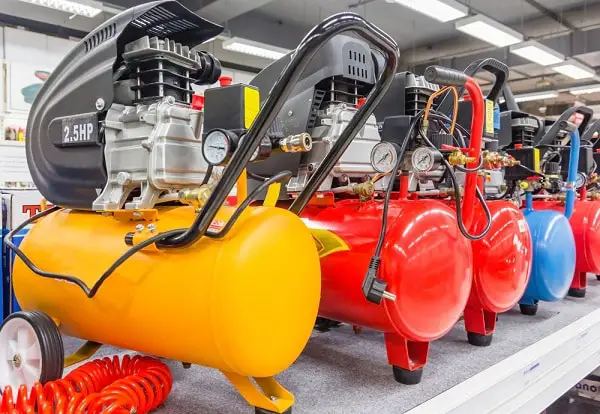
In every well equiped garage, there’s a common question… How do I get air where I want it without costing too much, or killing my back? Maybe you’ve got some truck tires that seems to lose air faster then any other tire.
Or maybe you have a paint sprayer that doesn’t work good when the air flow fluctuates. Perhaps you have a framing nailer that require constant air pressure. The obvious answer sounds like this: you need an air blower.
But it’s not that easy. A small electric compressor vs. A portable air tank isn’t really about power. It’s more about your workflow.
It is about where you’re working and what you don’t mind carrying. Most folks believe bigger is better. Tank equals size.
Compressor equals faster. Yes, both are true … sort of. A tank hold stored energy.
A compressor generates energy. Knowing the distinction make a world of difference. Do you sit in the basement watching the clock waiting on a motor to come on or do you carry equipment up a ladder on Saturday?
How you address the situation determine what you use at job site. For most, that’s where the portable comes into play. That yellow or red cylinder you see for industrial gases or scuba diving has been repurposed as a pneumatic tool.
Portable Air Tank vs Small Compressor Comparison
The Core Difference Between Compressors and Tanks
It is not your average scuba tank. Portable air tanks is small tanks that only deliver a quick burst of air. Consider one of the popular Miller 100 cubic foot portable air tanks or something comparable found in construction world.
Benefits of Portable Air Tanks
Fill it morning and afternoon and you have a self-contained power source. The benefit here is portability. Now you can take a full tank up three stories of stairs when finishing some dry wall.
Throw it on your scaffold and no worries about tripping over hoses and extension cords. It’s stored energy waiting to be used. The engine of this operation are the compressor.
Electric Compressors for High Consumption Tools
Brands like DeWalt, Milwaukee, and Bostitch makes excellent pancake and hot dog compressors. The unit pulls air from surrounding environment, compresses it, and stores it in a small onboard tank. The problem is that you are tied to an electrical outlet.
The length of your air hose limit how far you can get from the compressor. Length of power cord also limits reach. If you are working in the middle of a large room, the compressor might be stuck in a corner where it is useless.
Once you connect the hose, moving the compressor become difficult. It is powerful, but it is stuck in one spot. Sometimes it’s all about the tool.
If you are using a framing nailer throughout the whole house, then a small compressor are better. The tank refill continuously. There is air available as long as the motor is running.
With a portable tank, you’ll be out of air after only a few dozen nails. Going back and forth to the fill station kill your rhythm. For high consumption tools like this, the compressor has staying power on its side.
It gives you the steady stream that framers demand. Who wants to pause in mid-wall when their reserve is depleted? But think about those times when accuracy matter or is only needed in short bursts.
Ideal Uses for Quick Burst Air
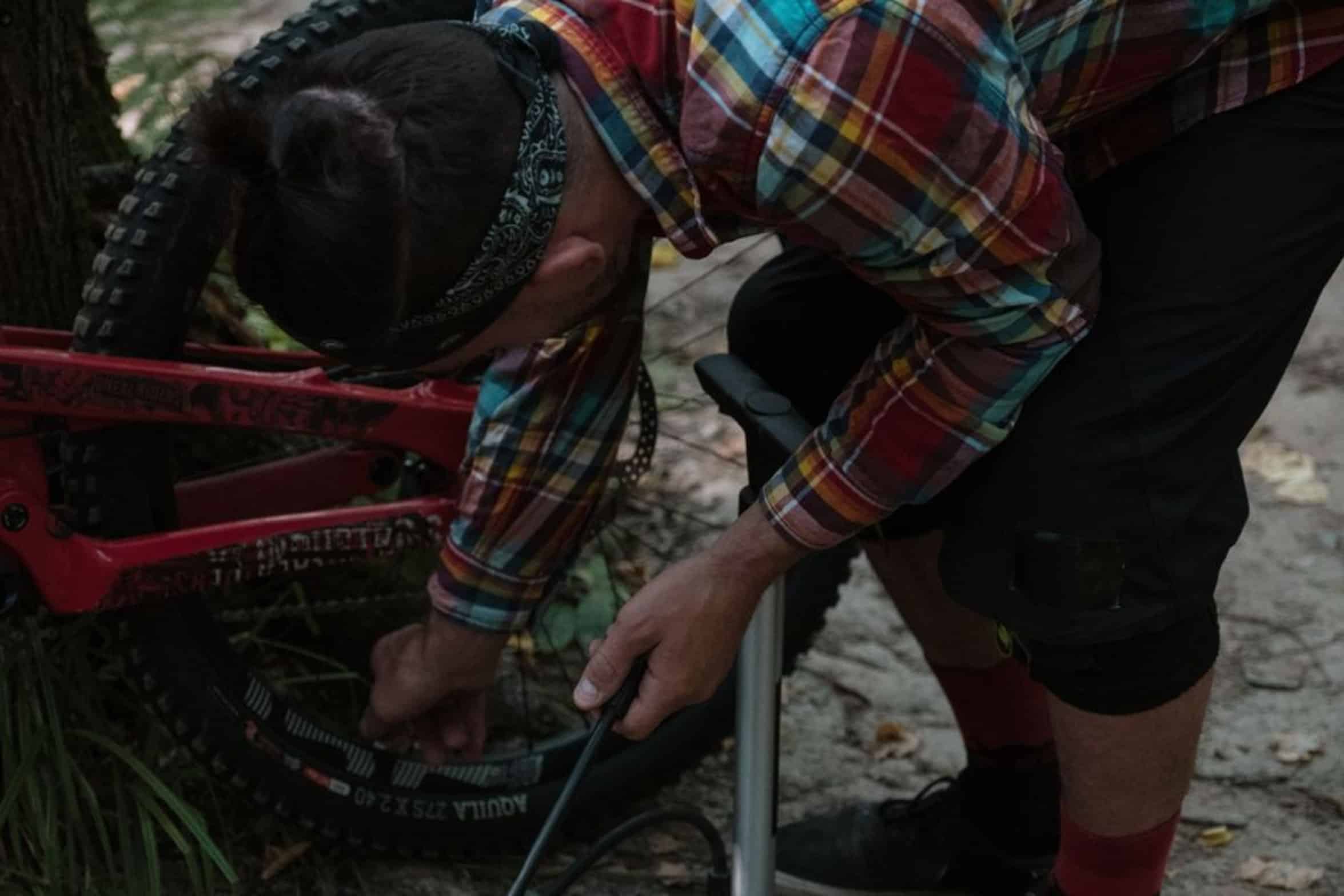
Spot repairs with a brad nailer, topping tires, or inflatables are a good use for the portable tank. No need to wait while it warm up. It deliver air instantly.
There is no motor to muffle conversation. It does not vibrate to rattle your table saw beside you. It is quiet and effectivly.
A compressor is overkill for a homeowner who has to top off his bicycle tire every now and again or maybe he want to inflate his kayak once a month. The tank are lighter, quieter, and cleaner. It just hangs in the corner waiting.
Maintenance Costs and Longevity
Then there’s upkeep and expense. Mini-compressors need service and will of to be drained of condensation regularily. They has motors that can fail.
Filters must be replace. Portable tanks is almost zero-maintenance. No moving part in the cylinder to break.
Just fill ’em up. A high pressure tank may be more expensive up front, but often lasts longer. It’s basically just a chunk of steel that does one thing realy well.
A compressor is a machine. Machines needs service. To sum things up: Think about how you’re going to use it.
Choosing the Right Tool for Your Job
Are you building a deck? Compressor. Inflating sports equipment?
Tank. Lots of people wind up having both. The compressor is what they keep in their shop to do the heavy duty stuff and the tank is for all the on-the-fly fixes when moving around the property.
But just be aware: attempting any kind of major construction projects with a portable tank will lead to frustation. It won’t last long enough before you can locate the hose to top it off again. Match the tool with the pace of the job.