When you’re three hours away from civilization and your low tire pressure light comes on, there’s a certain kind of panic that kicks in. What if my car isn’t mechanically sound? How am I going to be stranded on side of road with no cellphone signal?
You have a perfectly good rental car sitting around while it’s costing you forty dollars a day. You need an answer. That’s how a 12V DC tire inflator went from a nice-to-have gadget to a non-negotiable safety item for all driver.
It sounds easy enough. Plug it in, connect it up, let the tire fill with air. It’s not quite so straightforward than advertised.
Many people pick up the least expensive model they can find at gas station. They often discover that those cheap plastic valves aren’t road-worthy. Save yourself time and keep a meltdown off side of the road by knowing what works.
Key Features To Consider For Tire Inflators
Power Connection Limitations
Think about the connection too. Where does it come from? How will you connect it to your car?
Typically, a 12V inflator plugs right into cigarette lighter socket (or the 12V auxiliary port, if there’s one). That’s convenient because it plugs directly into the socket, but they do present a bottleneck. Often times those ports has a limited amount of current, typically in order of ten to fifteen amps.
When the inflator pull more than the fuse allows, it shut down. It is a little thing, but it is something to think about for a reliable unit. In this case, efficiency mean working within its current capacity.
There are brands such as Viair or Portable Air Compressor by iLap that has perfected the equation. They use the right type of cigarette lighter plug and thick gauge wire to ensure a good connection. You don’t want any resistance causing heat and killing performance.
Don’t plug into a phone charger cable or some flimsy adapter for that matter. That’s a fire hazard and a huge waste of time. Connecting directly delivers consistent power.
Pressure Gauge Accuracy
Another big issue is pressure accuracy. A lot of low-end units features digital gauges that are famously optimistic. What reads as thirty-five PSI is realy thirty-two.
Tires underinflated will cost you in fuel economy and tire life. Under-inflated tires can overheats at highway speeds, which is dangerous. Seek out air compressors with proven calibrated pressure sensors or ones that is known to hold their calibration well.
Companies such as Portable Air Compressor and ARB have made there name by being precise. You trust your tires and your brakes; trust your gauge the same way. Marketing tends to oversell inflation speed and it really does depends on tire size.
Inflation Speed Versus Portability
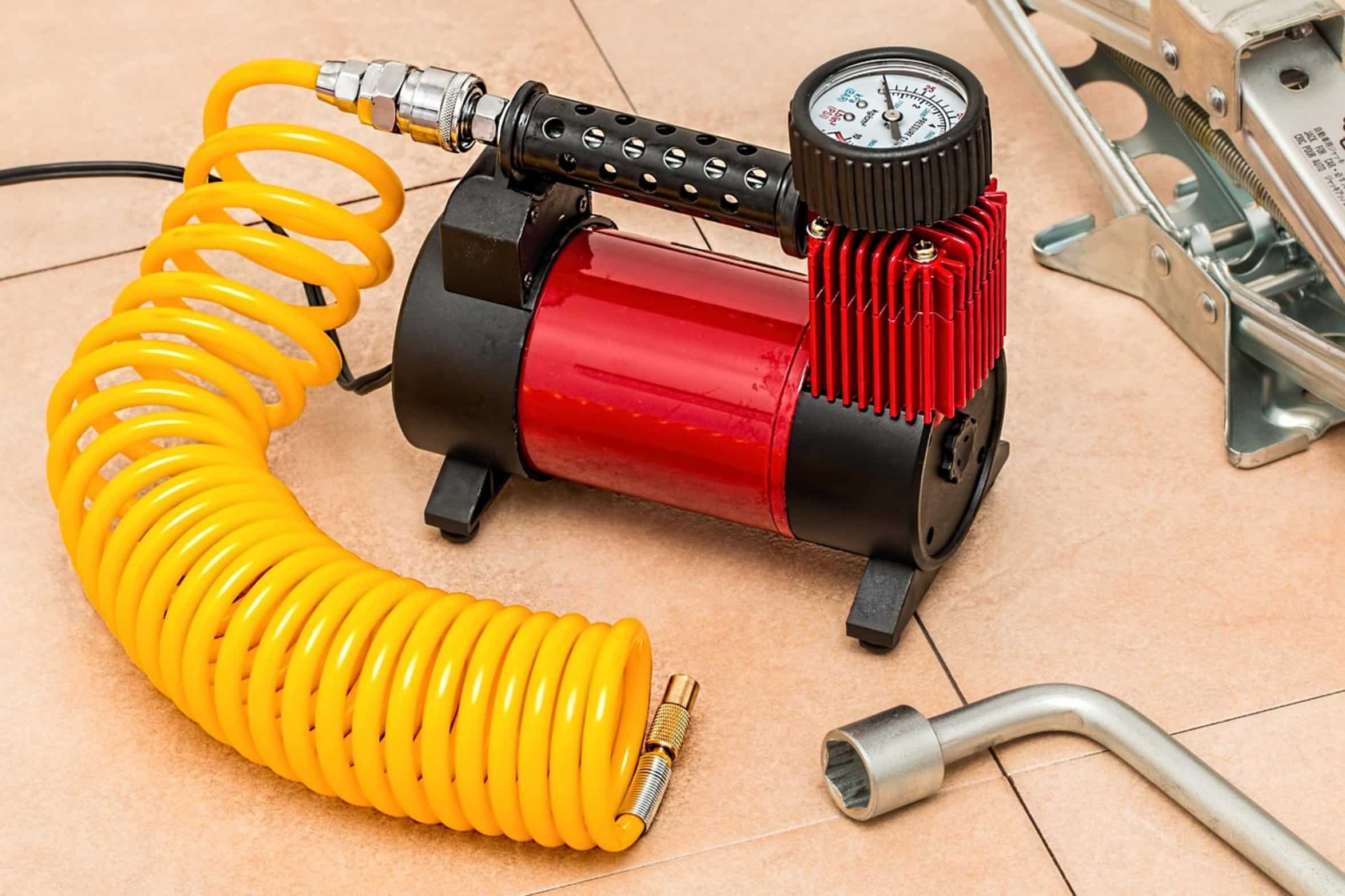
A small tire on a compact car will inflate fast. A big truck tire or even an SUV tire that’s completely flat take time to fill. Compressor based units has more horsepower and can fills larger volume tires quicker then most 12V inflators.
The catch is these are not portable. You give up fill rate for something you can store in your glove box. This is ideal if you have a slow leak.
Not so much when you have a complete blow out. Know the difference. But durability is important.
Durability And Build Quality
You’ll put these in hot trunks or cold cars. You’ll also use them on the go in all sorts of conditions and miles. The weakest link is part that actualy touches your tire, the valve head connected to the stem.
Plastic valves will snap when subjected to pressure. Rubber hoses that lead from the valve will crack and break down. Invest in something good, like the Michelin 12V compressor.
Made with a solid valve design and reinforced hose, this thing cost a few bucks more initially but lasts years rather than months. It is worth every penny for peace of mind. There are some added extras that comes on a few models such as LED lights to be able to work in the dark or even air mats for popping out of ditches.
Essential Core Components

Those are nice bonuses, but don’t let them distract you from what matters most. What keeps you moving? That’s right, the hose, the motor and the gauge.
Without the core function, the accessories does nothing. Focus on the engine of the operation. Store the inflator in a handy place away from weather.
Make sure your vehicle’s battery has good terminals before using the unit. If they’re corroded, they won’t provide current. Clean them if necessary; it’s an easy preventive step against big trouble.
You’ll thank yourself when you need it most, whether it’s down the road or in the middle of nowhere on open road. A good 12V inflator turns what could of been a major headache into a small problem. It gives you the space and time to either complete your adventure or get assistance.
Don’t cut corners here; it can make or break your trip.