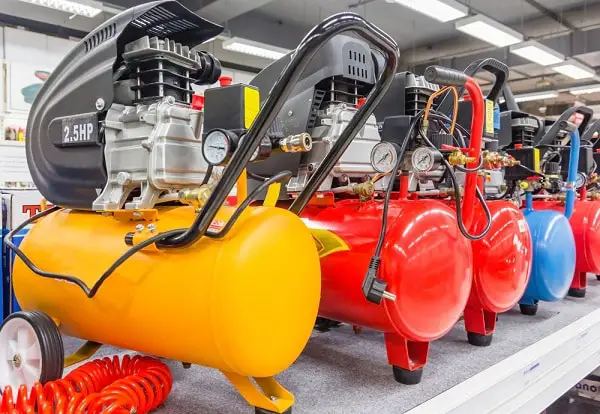
Air compressors do not like cold. You turn it on and nothing happen. It does not kicks on, hum, or show any activity whatsoever.
Nothing happen. Why? Because cold fluid is different than cold air.
Physics, not mechanics, are why this is happening. Your engine won’t breathe as well in cold weather. Fluids don’t act the same either.
Compressors didn’t break down overnight, they were simply asked to operate in conditions they weren’t designed for. Knowing that can help you repair your tool. The primary problem with oil-lubricated pumps is viscosity.
Fixing Air Compressors That Won’t Start
Viscosity and Oil-Lubricated Pumps
Brands that use oil-lubricated pump include Quincy and Ingersoll Rand. As it gets colder than 32 degrees the oil becomes thicker. It’s less of an oil and more like molasses.
This resistance make it difficult for the pump to spin. You may notice that motor strains to turn or you hear grinding. Change your oil type from regular oil to a thinner (lower viscosity) synthetic oil.
At low temperatures, these oils will remains thin. They provide better protection and flow easierer around the pump. The same can’t be said of electric motors.
Electric Motor Capacitor Issues
Capacitors used in electric motor (start caps) is affected by temperature fluctuations. If your capacitor isn’t up to snuff, it won’t have enough juice to kick-start the motor. That’s a problem with some older pancake compressors that come from brands like Porter-Cable or Campbell Hausfeld.
If the capacitor dies, you’ll notice the motor will just hum without turning. They’re pretty inexpensive and easy to swap so do yourself a favor and replace it. Just match the rating in microfarads on the old one.
Also inspect the wires. Rust builds up faster when things gets cold and damp. Using electrical contact spray may fixes this.
Gasoline Fuel Degradation
Gasoline-powered compressors have fuel problems. Cold weather cause gasoline to degrade rapidly. Alcohol in gas absorbs moisture and separates into phases.
This results in a gummy residue that plug carburetors. Engine can’t recieve sufficient fuel to start. Add fuel stabilizer prior to storage if stored over winter.
Drain or run empty. Warm up unit in a heated garage for at least an hour before attempting to start. Avoid excessive use of ether-based starting fluids as they damages seals.
Patience is better than chemical. The cold also makes belts and hoses stiff. When rubber gets frozen, it becomes stiff.
Belts Hoses and Seals
If the belt on a belt-driven compressor are too tight, it may snap or slip. Look at your belts for glazing or cracks. If they’re too tight then tighten them.
The hoses can get brittle as well. Inspect for leaks before putting pressure on the system. Little leak worsen in cold air.
Seal any holes that you see so that the compressor will build pressure effectiveley. As a way to prevent problems, store your compressor indoors if you can. If not, insulate the tank.
Winter Storage and Maintenance
A basic blanket will holds heat. Examine your pressure switch setting. You may have a low-pressure cutout that won’t allow it to start when it’s really cold out.
If your manual permits adjust to match. Clean your filters. Dirty filter inhibit airflow and cause the motor to work harder.
In cold weather, that added strain can be more than it could of take. We test your equipment. Cold weather is a test of your equipment.
It exposes things you didn’t notice in the heat. Addressing belts, fuel, capacitors and oil keep your compressor at the ready. When it gets cold out, you’ll know just what to check.
Guesswork won’t be part of your plan. Your project doesn’t wait for anyone and neither should your tools.