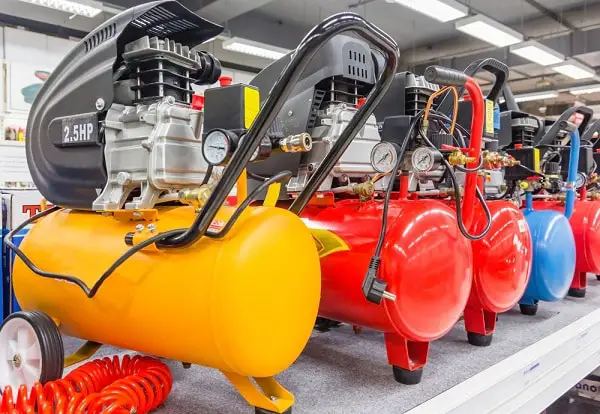
Winter is hard on air compressors. A Campbell Hausfeld or Porter-Cable unit stored in the unheated basement, shed or garage will suffer damage from cold. Ice and water is no friends to aluminum tanks and cast iron cylinders.
Ignore that reality and easy maintenance turns into an expensive repair. You don’t want a frozen or unreliable air supply. Condensation is your primary enemy here.
Step By Step Guide To Winterizing Air Compressor
Why Winter Damages Compressors
Ambient air enter the compressor… And it contain moisture. That moist air gets cooler inside tank.
How Condensation Causes Damage
The resulting water vapor turn into liquid. However, if temperature dips below freezing, the liquid freeze. And as it does it expands.
This build unnecessary pressure on everything. This pressure cause cracked tanks, frozen valves and ruined windings on motors. You need simple prevention, but it has to be done before the first snow arrive or else you will just be reacting to problems.
Draining the Air Tank
Empty the tank first. Duh! That’s the single most critical part of storing a tank.
Until I hear ice clacking around in there, you’ll find people who didn’t do it. Find the drain on the bottom of the tank. Open it all the way and allow it to empty.
Don’t simply crack it open. Is your compressor equipped with an auto drain? Test it.
An electric drain valve can fails in bitter cold temperatures. Have control over it by using a manual drain. Then you know the tank is empty before putting it away for winter.
Checking and Changing Oil
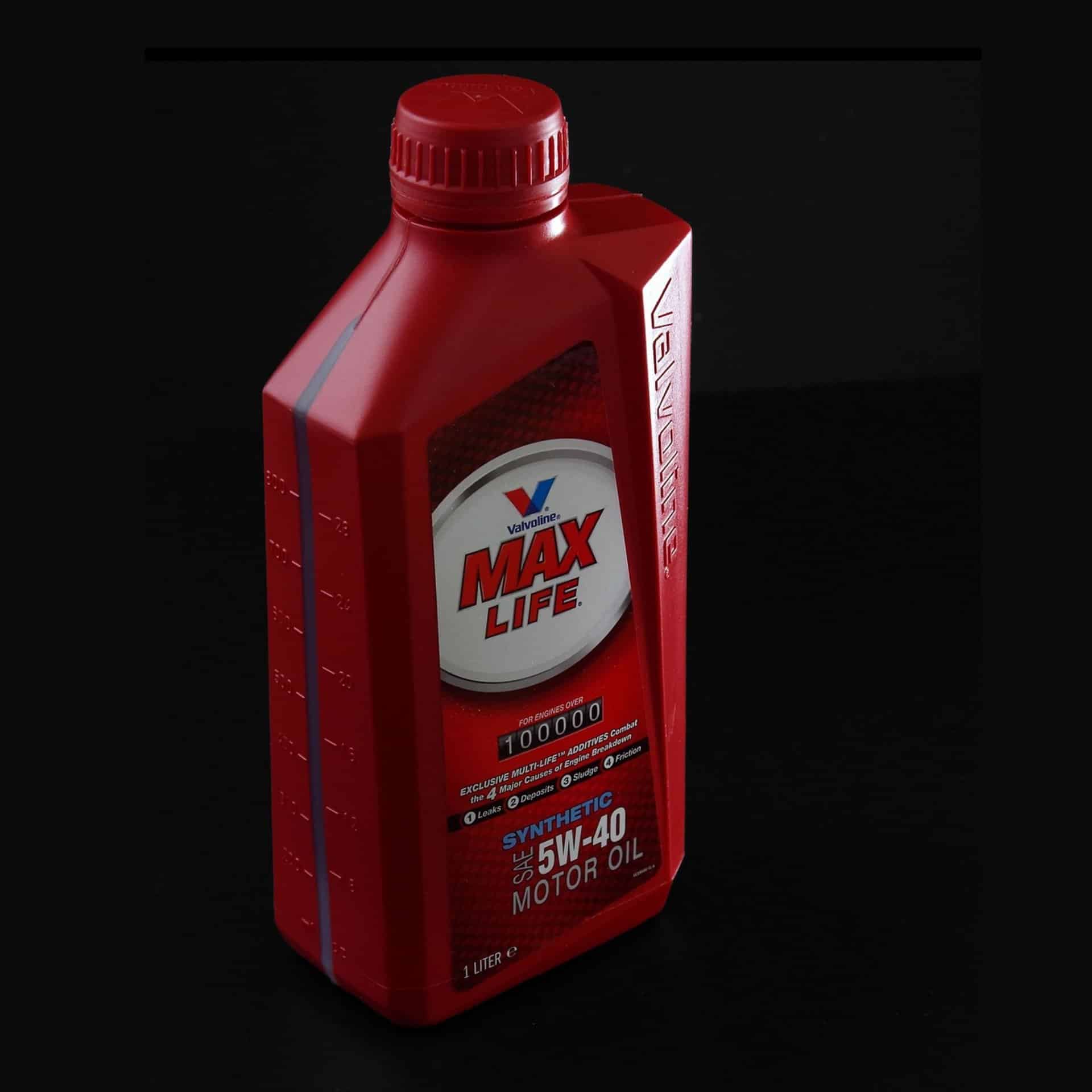
If yours is an oil-lubricated model, check its oil next. Newer synthetic oils fare better in cold weather than conventional mineral oils. If you use a mineral oil, convert to a synthetic blend.
It will not form sludge in the crankcase like other oils does. High-end Ingersoll Rand models comes with this kind of oil. Sludge block oil flow into pump.
Blocked oil flow result in seized pistons. Top up the oil if necessary. This maintenance ensure that its internal parts will be prepared when spring arrive.
Inspecting Intake Lines and Filters

Check your intake lines and filter for cracks. Cold cause rubber and plastic to get brittle. A cracked intake line will leak both air and pressure.
Even before you turn on the machine, it won’t run well. Change out any worn filters. Good quality filters is available.
Brands like Parker offer durable filters that resists degradation. A clean filter protects the pump against summer dirt and debris too. It is a cheap insurance policy for the engine.
Choosing Proper Storage Location
Put your compressor in a warm room if possible. Use your heated garage or even a finished basement. Cold temps fluctuate more different than constant cold.
Cycling up & down is bad for all metal parts. Seals will eventually wear out from expansion and contraction. If outdoor storage is necessary, throw a breathable tarp over it.
Moisture can accumulates between plastic and metal. Accumulated moisture increase rust. A breathable tarp allow condensation to evaporate while protecting from rain.
Final Pre-Storage Checklist
And finally. Turn on your compressor quickly before stashing it away for awhile. Turn it on for five minutes so that the oil warms up.
Drain the tank again. This prevents fresh condensation from forming while it is running. Now it’s warm and dry inside.
Close the tank valve and leave the release valve open. That reduce any remaining pressure. This protect the diaphragm inside.
Put it in storage without worry. Come springtime when the snow thaws, your compressor will be eager to fire right up. You won’t have a frozen unit.
Just a few minutes of work now will give you peace of mind all season long. It would of been better to do this earlier. Actualy, some people thinks it is easier to wait for spring to arrive, but they should of started sooner.
Don’t let your equipment dissapear into a broken mess because of moddern negligence. Making sure everything is lubed up helps more than you think, especially when the weather gets too cold. Using an extra tarp could help keeping moisture away.
You might recieve a surprise if you dont follow these steps. Make sure you check for any leak in the hose too. It is better to be safe than sorry with your machines.