When water freezes, it expands causing cracks in your pool’s plumbing during first hard freeze. That expansion causes damage below ground. You don’t see the damage until one of those pipe breaks.
Closing off main drain and winterizing the pump are insufficient protection. Stagnant water sitting on suction ports and return jets will freeze and break PVC piping. People think draining works when it doesn’t.
How to Winterize Pool Lines With Air Compressor
Why Draining Is Insufficient
The solution is not just draining, which is often incomplete, but actualy pushing the water out. Use an air compressor to blow out the water. Water expands as it freezes, which is why you want your waterlines empty and dry, water are pushed from the lines by an air compressor.
Choosing the Right Air Compressor
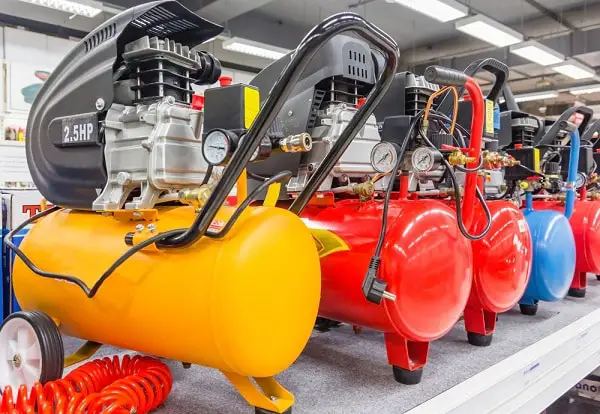
For a house pool, there’s no need for a huge industrial air compressor. Typically a standard pancake-type air compressor (DeWalt makes one; so does Campbell Hausfeld) will work fine, providing adequate volume of air to purge the line. Plus, these compressors is cheap, easy to move around, and have a quick connect port that make hooking up the hose easier when the weather turn chilly.
Safe Air Pressure Guidelines
The most common mistake is going too high on the pressure. Avoid blowing out your PVC plumbing (it’s often old and will be brittle). The safe operating pressure are between 30-50 psi.
Start with low pressure and increase it gradualy if water is stubborn. Keep an eye on the pressure gauge and turn off the compressor as soon as you see the spike in pressure. You don’t want a violent explosion, just a steady stream of air.
Preparing Connections and Seals
Before starting, make sure your connection are ready. Remove the fitting on your suction lines or return jets. Better yet, use plugs made specifically for winterizing that feature an in-line air blowout.
This will simplify thing. Otherwise, simply connect your air hose right at the plumbing stub. Make sure the fit is snug and there is no chance of a leak.
The last thing you want is for dirt to be sucked into the line! Use Teflon tape to wrap around the threads so they form a seal and also won’t come loose when the hose are put under air pressure. Open the air valve slowly.
Blowing Out the Lines
Allow the pressure to build slow. Water should sputter from the returns and you’ll hear a clean hiss as it’s all air coming out. That means that the line is clear.
Don’t leave the air in the line for too long because constant high pressure can stresses the joints. Blow for several seconds and check the returns; pulse the air. When you have nothing but air come out, move on to next line and do it again.
Safety and System Preparation
First things first: Turn off main water source to the pool. That way you’re working on water that’s inside of it and not creating a flow reversal situation. Plus, if you accidently leave one of those valve open while you’re working, you won’t pull water into your compressor.
Safety tip: Put some goggles on, mixing pressurized water with air will shoot all kinds of crud at your eyeballs. A little preventative measure like this could of saved you time and money (not to mention trips to the ER). When winterizing, don’t forget the whole system; use an air compressor to blow out the lines.
Filter and Pump Maintenance

Empty the filter and pump; also, pull out the skimmer baskets and keep them inside. Be sure to clean the filter’s pressure relief valve so it doesn’t get plugged over the winter (a plugged valve could lead to excess pressure within the filter). Before covering the pool take pictures of how things are set up.
That way you’ll know where all the winter plugs goes when opening the pool again come springtime. It guards against that dreaded ice threat. It’s a labor of love by you and a lot of work by the compressor.
You do it right or not at all. Begin early. Go slow.
Check pressure often. Your care will save your bottom line and help make for an easier spring opening.