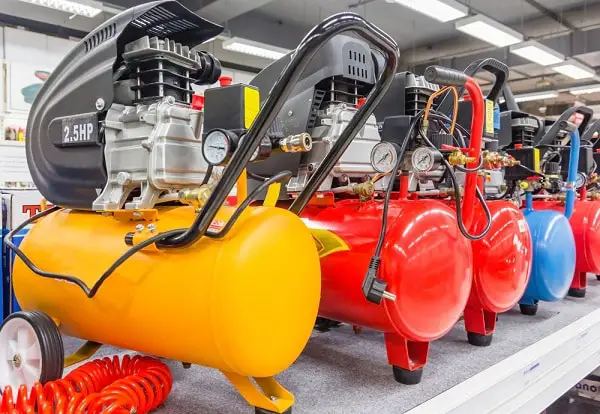
If your pancake compressor hisses sharply when you connect it to your tool, you might panic and think you’ve shot up something expensive. It’s a different noise than steady-flowing compressed air. Perhaps you fear your sprinkler system will blow out?
No. Lawn irrigation systems isn’t going to suffer any sort of structural damage from a small compressor. Why? Because they don’t understand the difference between volume and pressure.
Why Pancake Compressors Won’t Damage Sprinklers
Why Compressor Noise Is Misleading
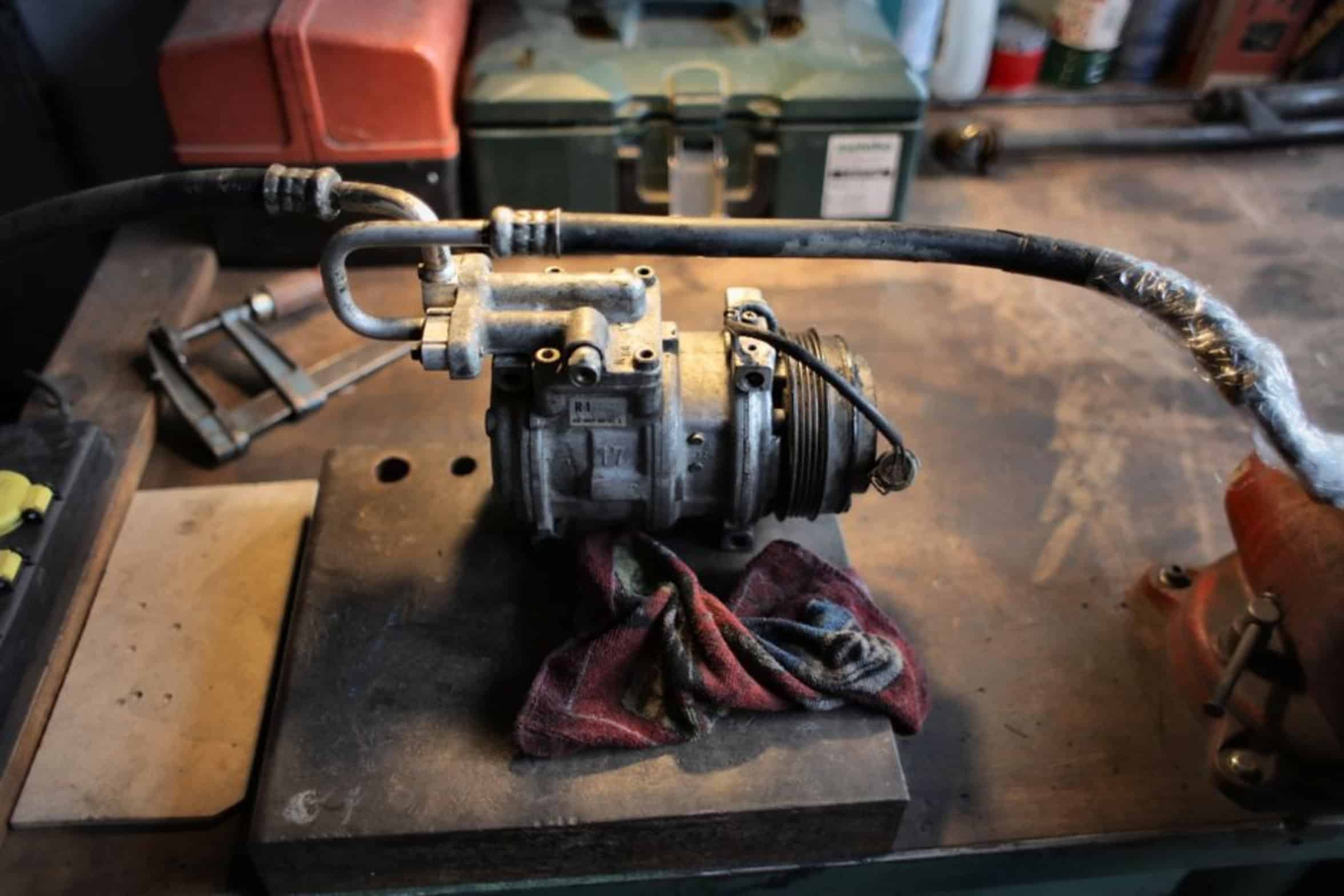
The sound of something loud are perceived as destructive power. In this case, more air equal more power. Your sprinkler heads is designed to handle significantly higher pressures then a small compressor can generates.
Pressure Limits of Sprinkler Systems
Those are made to withstand municipal water supplies or high volumes from residential well pumps. And the figures don’t lie: a typical pancake air compressor (DeWalt, Ryobi, Craftsman etc.) only reaches a maximum of 150 psi. Residential sprinkler system pressure are more often in the 40-60 psi range and beyond.
Systems will easily withstand spikes well over 150 psi before failing. No, the compressor isn’t powerful enough to pop those pipes. It’s all about how it was connected, not so much the pressure.
Risks of Connecting Air to Irrigation
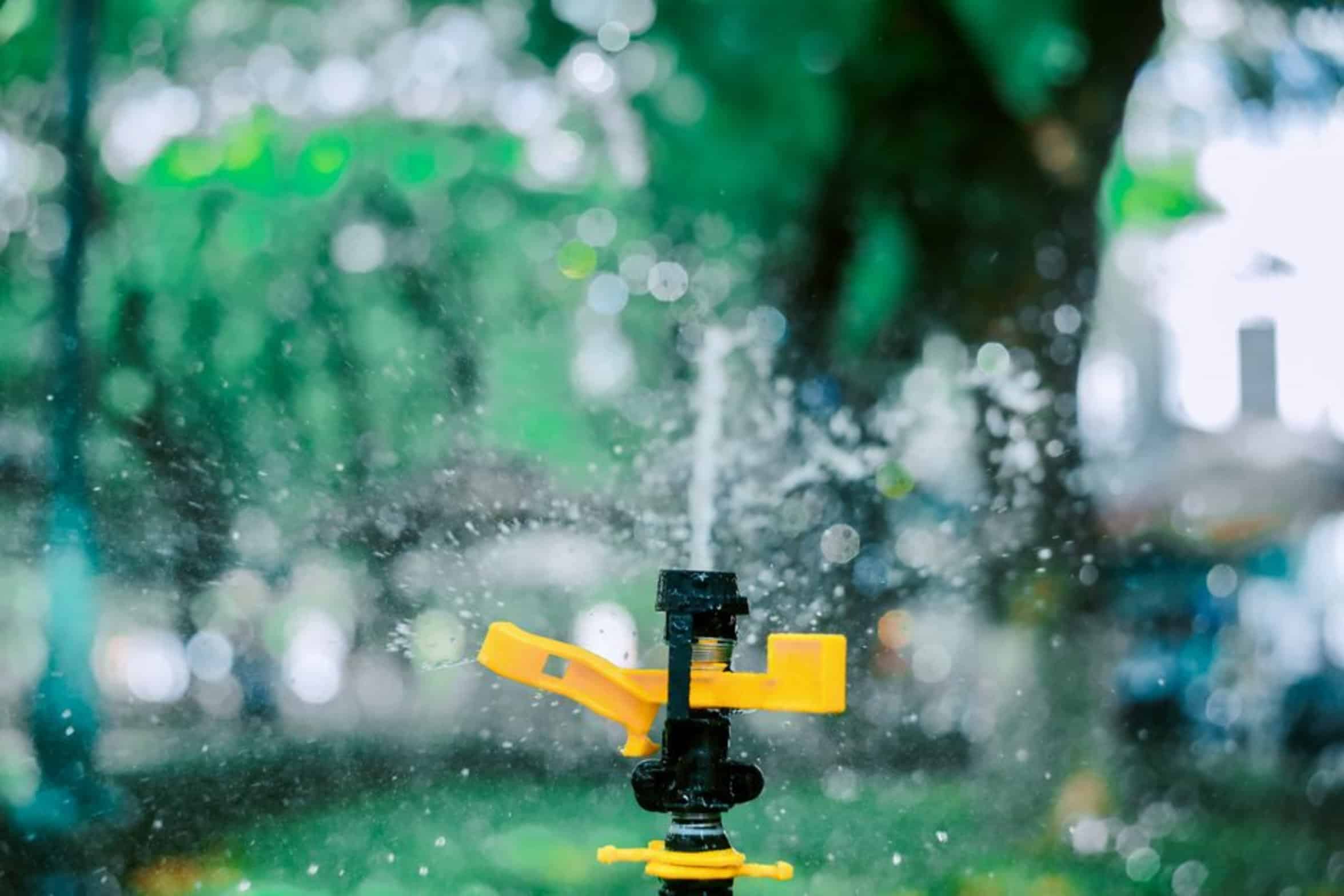
Generally speaking, a compressor isn’t actualy hooked up directly to main irrigation line. Most homeowners possess few of those specialized fitting, so they don’t usually hook a compressor direct into the main irrigation line. Where people sometimes get confused is when they have a stuck valve, or a clogged nozzle, and use an air hose to unplug them.
When you force air in a closed system with no release valve, guess what? It might create a temporary blockage or confuse the solenoid mechanism. It can causes a temporary blockage and will certainly cause confusion for the solenoid mechanism.
Don’t worry; the pipes are just fine. Moddern irrigation is made of tough stuff like PVC or plastic. It can withstands low-volume air blasts just fine.
Air Versus Water In Compression
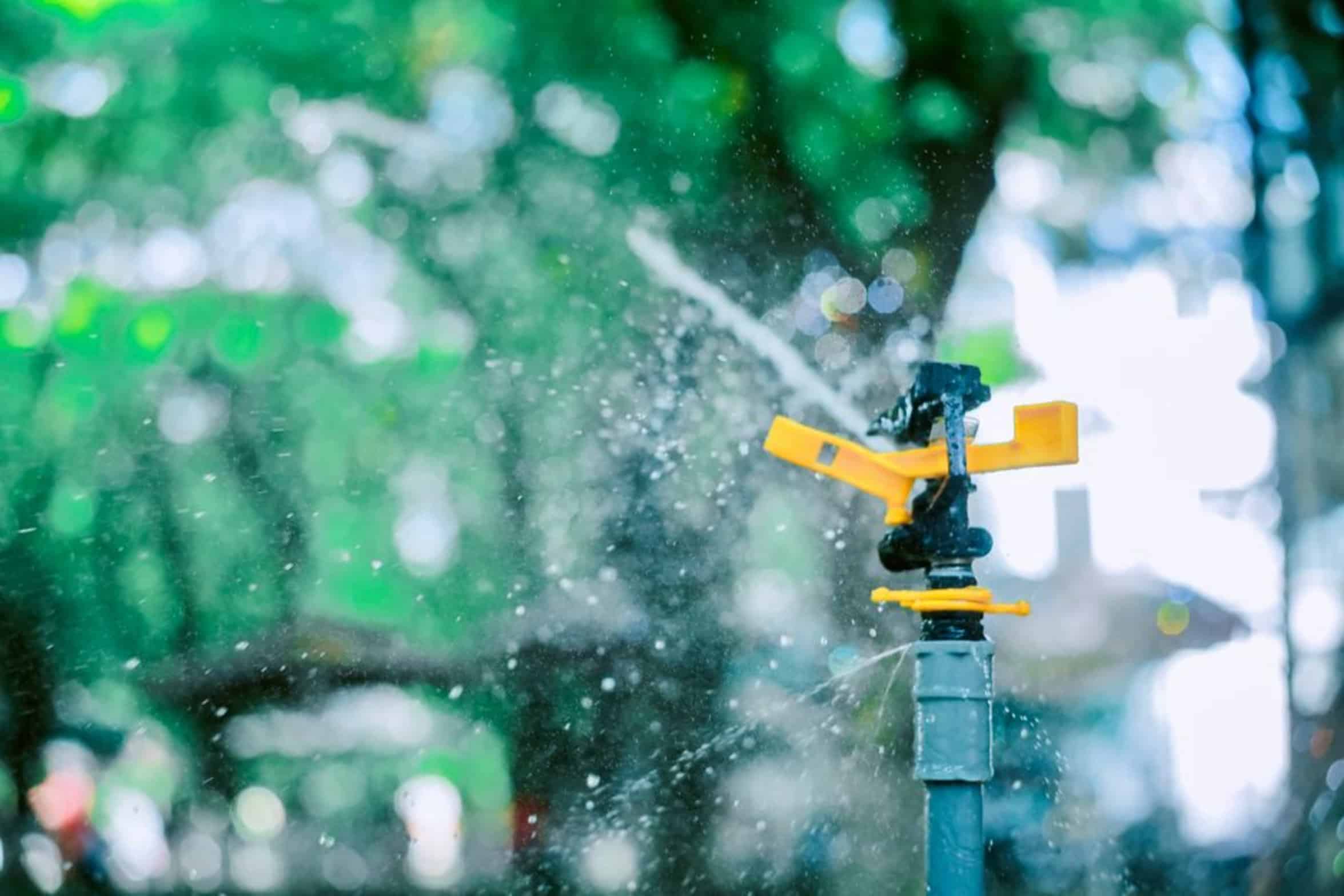
In these systems, air and water also act differentaly. Water is incompressible. In other words, if it encounter a blockage, the pressure increase immediately, which can cause a weak joint to break open.
Air, on the other hand, is compressible. If you push air into an enclosed sprinkler line, the air molecules squish together. They don’t create the same type of hydraulic shock as water.
This is why plumbers often use air to check lines. It’s safer than water to test for pressure because it won’t burst a joint violently. But you may continue to hear that pop.
That’s okay too. It is probly just an air leak from a bad check valve or something else somewhere. It is not a pipe failing.
Potential Damage to Washers
Now if your system uses older rubber washer in the head, it can also cause the washers to be dried out more quickly as they gets a shot of dry air from your tank. This isn’t a doomsday situation but rather a maintenance item. The air isn’t killing anything, just drying things out.
Safety Tips for Compressor Use
Before you flip that switch, check your connections. Is your hose tight at both ends? Your tool and the compressor outlet should be snug.
If your compressor has a pressure regulator, use it. The pressure regulator maintain a constant output. You do not need extra pressure spikes.
A simple good habit that would of save your head in the long run. This is your pancake compressor, used to inflate a tire or drive a nail. It is not meant to tear up the landscape.
No way can it blow out sprinklers. Trust the physics here. Air’s light; those pipes is tough.
Relax, go back to work.